


The World’s Largest Companies by Market Cap (May 2026): Tech Dominance and AI‑Powered Growth



AI Podcast


As of May 2026, technology firms dominate global market capitalization, driven by AI advancements. NVIDIA leads with $5.2 trillion, followed by Alphabet, Apple, Microsoft, and Amazon. Eight of the ten largest companies are tech-focused, with NVIDIA's GPUs and TSMC's chip manufacturing being key catalysts. Other sectors like Energy, Health Care, and Financial Services remain significant, represented by companies such as Saudi Aramco, Eli Lilly, and Berkshire Hathaway. Mega-cap stocks offer stability and have historically outperformed the S&P 500, but diversification across sectors like technology, energy, and healthcare is advised to mitigate risks from regulatory changes and technological shifts.
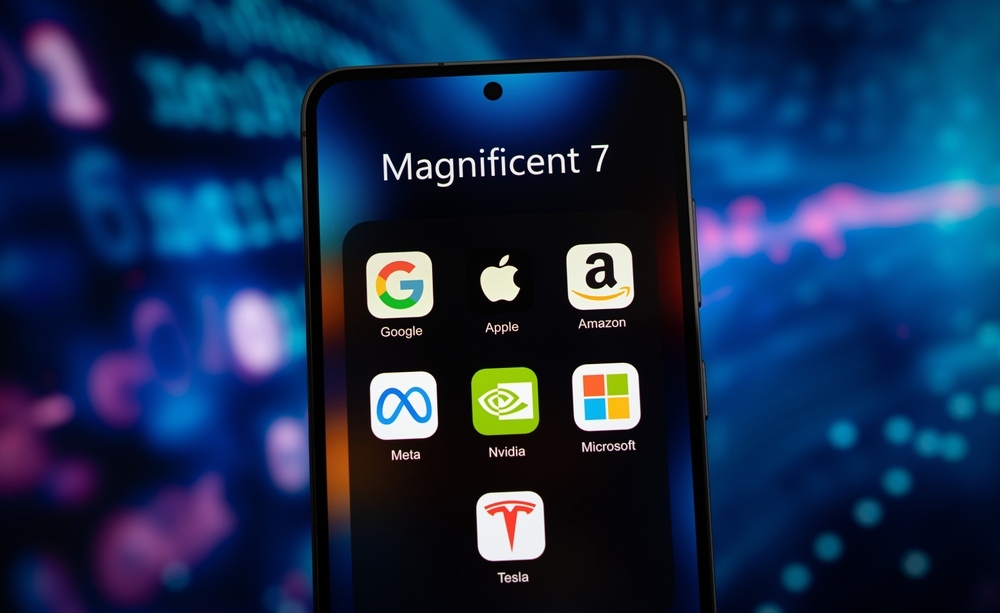
TradingKey - As of May 2026, the most recent list of largest global firms by market value is heavily influenced by technology, primarily due to the current rapid expansion of AI technology. Other industries are still prominently represented within the 11 corporations globally that currently exceed a market cap of $1 trillion – including Energy, Health Care, Financial Services, and Consumer – reflecting ongoing investor faith in both the ability of these leading firms to run/grow their businesses consistently through time as well as their long-term potential for growth.
The Trillion‑Dollar Club: Top Rankings Overview
NVIDIA became the first publicly traded company to achieve a market cap of $5.2 trillion and is now the largest publicly traded company in the world due to the exploding demand for NVIDIA's AI based GPU products. NVIDIA is followed by Alphabet at $4.2 trillion, Apple at $3.9 trillion, Microsoft at $3.2 trillion and Amazon at $2.8 trillion to round out the list of five largest public companies in the world.
The largest companies in the world include TSMC ($2.0 trillion), Broadcom ($1.9 trillion), Meta Platforms ($1.7 trillion), Tesla ($1.4 trillion), and Berkshire Hathaway and Walmart both of which have market caps of $1 trillion each. This elite group of companies are made up of some of the world’s most innovative technology companies, world-class manufacturing companies, and the world’s largest providers of critical services – together are shaping the structure of the world’s economy.
Tech Leadership: AI as the Dominant Growth Catalyst
The technology companies have taken over the top tiers of the market cap rankings: 8 of the 10 largest companies by market cap are tech companies, and the primary driver of growth in the entire technology sector is AI. NVIDIA's GPUs (graphics processing units) are now critical for training and inferring AI models, and the company has become the leading "pick-and-shovel" supplier in the AI era. TSMC (Taiwan Semiconductor Manufacturing Company), the largest semiconductor manufacturer in the world, has benefitted directly from increasing demand for AI-related chips. In addition to supplying chips for companies such as Apple and NVIDIA, TSMC helps to support other leading companies such as ASML. ASML produces EUV (extreme ultraviolet) lithography machines, which are essential for the manufacture of advanced semiconductors.
Microsoft has established an extensive AI ecosystem around its Azure cloud computing platform and Copilot applications, has a stake in OpenAI and plans to invest heavily in data centers in the next 5 years to support its growing business. Alphabet (Google), Meta and Broadcom have all integrated AI within their core businesses, from search and social media advertising to custom chip design, allowing each company to strengthen and solidify its respective market position. Apple has traditionally been known for hardware products that serve consumers; however it is continuing to develop the Apple Intelligence cloud and its services ecosystem to support opportunities related to AI.
Sector Diversity: Beyond Technology
Tech firms dominate the rankings; however, there is also substantial representation from other core industries on the broader list, showing that multiple sectors attract equitable amounts of investment. Saudi Arabia’s national oil company (Saudi Aramco) and ExxonMobil lead the energy category. Global demand for oil and their respective capabilities to produce and store large amounts of oil make both companies well positioned for growth.
In healthcare, Eli Lilly and Johnson & Johnson are included in the leading list. Revenue growth from Eli Lilly’s diabetes and weight management medications accounts for a large part of its recent upward surge in market share, while Johnson & Johnson's large pharmaceutical and consumer health segments continue to generate stable revenues.
Berkshire Hathaway, the first U.S. company to achieve a $1 trillion market value that is not from the technology-based business model; JPMorgan (the largest U.S. bank by total assets) and Visa (the most utilized form of electronic payment among the world's population) illustrate how two of the largest single companies within the financial services industries have been affected by these trends in today's economy.
Similar examples exist in other core areas within this large list of organizations. Walmart, a massive player in the consumer staples/supermarket industry, continues to be among the largest companies in retailing according to revenue and as one of the most successful corporations to date due to their stable revenues produced through being a family-owned business. Thus, the continued strength and durability of established critical businesses as a group speaks volumes.
Key Investment Insights for 2026
The top-ranked mega-cap companies generally show a higher level of stability and lower levels of volatility than their smaller counterparts due to their established levels of brand equity, well-developed business models, and strong accounts receivable/collections practices. A review of the last 5 years' data demonstrates that 14 of the listed companies have outperformed the S&P 500 index over that time period, emphasizing the long-term value potential of each company.
Despite their size, the largest corporations also face many uncertainties, from regulators to fluctuations in the various industries in which they compete, to disruptive technology shifts. Therefore, investors should build diversified portfolios and avoid over-exposing themselves to one stock or one industry, while balancing out their exposure to high-tech, growth-oriented leaders with safe, defensive types of stocks from energy, health care, or consumer discretionary sectors. As AI and cloud computing continue to change the way industries operate, these mega-cap companies are positioned well to compete effectively with other companies as a result of their ongoing investments in new technologies and create long-term sustainable returns for their investors.
Recommended Articles








Comments (0)
Click the $ button, enter the symbol, and select to link a stock, ETF, or other ticker.