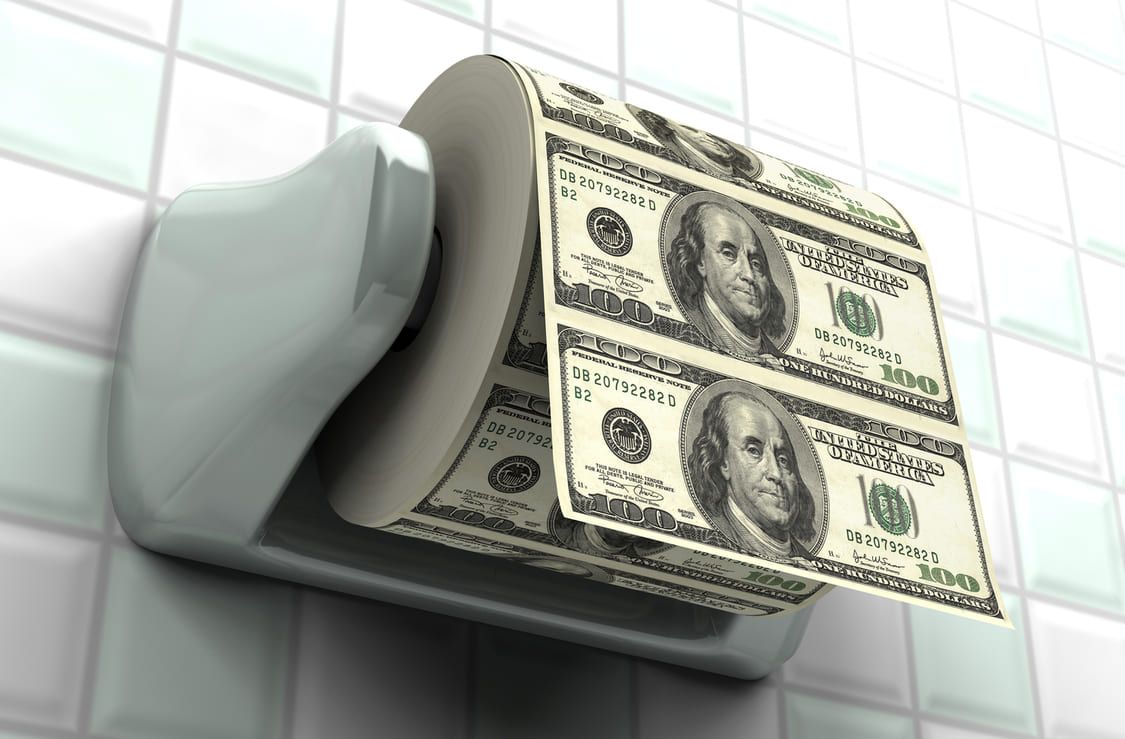
美國銀行因“去銀行化”而陷入困境

銀行、關稅、特朗普和埃隆·馬斯克將年度獎盃帶回家。 2024 年即將結束,距離唐納德·特朗普dent美國總統只剩下 20 天了。他對美國人民最大的承諾之一就是改善國家經濟,而他的目標正是銀行業,而銀行業恰好是被稱爲“去銀行化”的爭議的中心。
奈傑爾·法拉奇 (Nigel Farage) 談論英國銀行業去銀行化一年多後,美國的爭論正在升溫。包括風險投資家馬克·安德森(Marc Andreessen)和科技巨頭埃隆·馬斯克(Elon Musk)在內的大衆聲音對個人和企業失去進入銀行系統的機會表示擔憂,據稱是由於政治派別或與加密貨幣的聯繫。
Netscape 聯合創始人兼頗具影響力的投資者馬克·安德森 (Marc Andreessen) 在 11 月底接受播客主持人喬·羅根 (Joe Rogan) 採訪時強調了這個問題。安德森聲稱,銀行鍼對的是政治右翼人士,給他們貼上“政治暴露”的標籤,並切斷金融聯繫。
他進一步聲稱,在拜登政府的壓力下,銀行一直在matic地關閉與加密貨幣相關業務相關的賬戶。
美國銀行與加密貨幣的緊張關係:呼聲越來越高
安德森表示:“在過去的四年裏,我認識了 30 位科技公司的創始人,他們的銀行賬戶都被破產了。”這引發了社交媒體用戶報道類似經歷的一波軼事。他的言論火上澆油,引發了有關銀行業務政治化的廣泛討論。
埃隆·馬斯克 (Elon Musk) 通過 X 發表了對此事的看法,稱取消銀行業務是政府過度擴張的一個例子。馬斯克認爲,出於政治動機的賬戶關閉應被視爲聯邦犯罪。
將此視頻轉發給親朋好友,瞭解政府到底有多邪惡
pic.twitter.com/XgRnikMK6J— Kekius Maximus (@elonmusk) 2024 年 11 月 29 日
Meanwhile, Melania Trump’s claims that her bank terminated her account in the wake of the January 6 Capitol attack have further energized critics to amplify their claims. Reports that her son Barron was also denied a bank account have added to the financial bias “allegations.”
On the political right, these actions have been collectively dubbed “Operation Choke Point 2.0,” referencing an Obama-era initiative that sought to limit banking access for controversial industries such as payday lending.
David Sacks, the incoming AI and cryptocurrency czar for the Trump administration, has vowed to examine the issue. He gave his sentiments on the matter, saying, “There are too many stories of people being hurt by Operation Choke Point 2.0.”
Is there something like too much bureaucracy?
Critics of debanking argue that bureaucratic hurdles and regulatory pressures are driving banks to sever ties with certain clients. Since the financial crisis of 2008, banks have faced thousands of pages of new regulations and billions of dollars in fines, leading to a more risk-averse approach.
When banks terminate client relationships, the reasoning is often vague, fueling speculation that they are making politically motivated decisions.
Regulators, including the Federal Deposit Insurance Corporation (FDIC), insist that they do not direct banks to drop specific customers. However, in 2022, the FDIC advised banks to inform them of any plans to engage with cryptocurrency businesses, which begs the question of whether account closures are a matter of choice or coincidence.
Edward Fishman, a former State Department official and author of Chokepoints: American Power in the Age of Economic Warfare, stated, “With crypto becoming more intertwined with the formal financial system and banking sector, banks are petrified of running afoul of sanctions.”
AI and crypto adoption growth is slow: Is Biden responsible?
The debanking debate is just one aspect of broader concerns about government overreach. Critics of the Biden administration argue that its actions have stifled emerging technologies, including artificial intelligence (AI) and cryptocurrency, by exploiting regulatory chokepoints.
Marc Andreessen revealed that he was warned against funding AI startups during a meeting with White House officials earlier this year. Administration aides allegedly indicated plans to create a “regulatory moat” around select AI companies they could control.
Some officials reportedly went as far as suggesting that certain areas of mathematics could be classified, echoing Cold War-era restrictions on physics research. These claims have raised alarm about the potential politicization of technological development.
In 2022, the Biden administration reportedly issued an executive order supporting the exploration of a central bank digital currency (CBDC). Accompanying this move was a white paper advocating for policies to “limit or eliminate” Bitcoin mining.
By 2024, the administration implemented a 30% excise tax on electricity used by Bitcoin miners and imposed mandatory energy audits on large mining operations. These measures sparked lawsuits from crypto companies, which ultimately succeeded in court.
Critics argue that these actions were designed to centralize control over digital assets and restrict miners’ access to essential resources such as energy. “Unplugging,” as it has been termed, mirrors the alleged debanking strategy to control cryptocurrency through indirect means.
Trump’s administration promises reforms
President-elect Donald Trump’s incoming administration has vowed to address the debanking scandal and related issues. David Sacks has called for an investigation into regulatory agencies, including the FDIC, the Office of the Comptroller of the Currency (OCC), and the Federal Reserve’s prudential regulatory division.
Forward this video to friends & family to understand just how evil the government has been
pic.twitter.com/XgRnikMK6J— Kekius Maximus (@elonmusk) November 29, 2024
Former Comptroller of the Currency Brian Brooks has also suggested revisiting “fair access” rules that would require banks to provide services unless they have a legitimate financial reason to terminate a relationship.
The Trump team proposed reforms that aim to ensure neutrality in banking practices and safeguard access to financial services for lawful activities. Critics of debanking hope these measures will prevent further weaponization of the banking system and foster an environment of fair access for all industries, regardless of political or regulatory pressures.
A Step-By-Step System To Launching Your Web3 Career and Landing High-Paying Crypto Jobs in 90 Days.
相關文章
澳洲央行加息再度推升澳元走勢 2026年澳元匯率還會繼續上漲嗎?
TradingKey - 當全球主要經濟體仍在「減息競賽」中徘徊時,澳洲儲備銀行(RBA)在2026年2月投下了重磅炸彈,加息25個基點。這一逆勢而為的舉動徹底打亂了市場節奏。澳元(AUD)今年以來強勢上漲,延續了2025年的上行格局,2026年澳元匯率還會繼續上漲嗎?
高市早苗的大選豪賭帶來哪些影響?日圓匯率絕地反擊還是一蹶不振?
TradingKey - 2026年的開年大戲,比華爾街的預期來得更猛烈。距離2月8日的日本眾議院大選僅剩最後幾天,現任首相高市早苗(Sanae Takaichi)正在進行她政治生涯中最大的一次豪賭。
美元走勢預測:美元指數跌破 97.0 至 4 年新低,2026 年美元繼續下跌還是觸底反彈?
TradingKey - 2026年1月份,美元指數延續2025年的下跌走勢,正式跌破97.0關鍵關口,最低下探至95.5,創下自2022年2月以來的近4年新低。