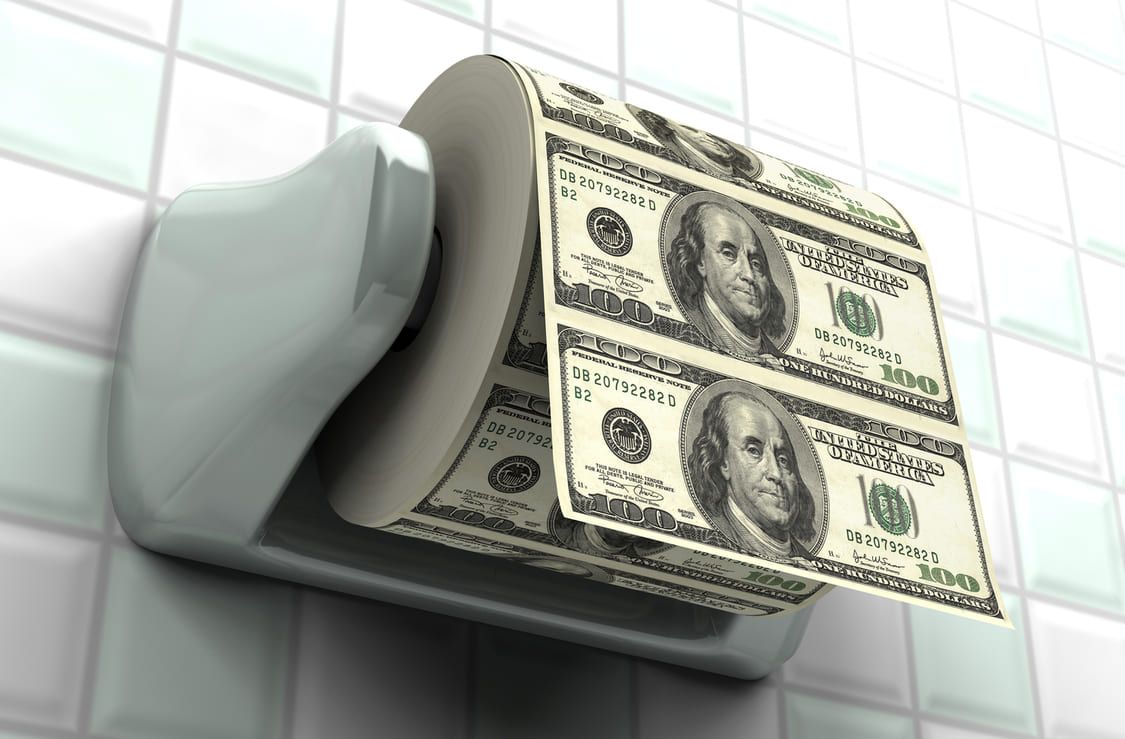
國家Bitcoin儲備冷戰:日本、俄羅斯、美國、香港、德國和薩爾瓦多表明立場

隨着世界各國尋求將自己定位爲全球金融領導者,建立國家Bitcoin儲備的競賽正在重塑地緣政治戰略。最著名的加密貨幣Bitcoin已成爲這場“加密貨幣儲備冷戰”的基石,美國、俄羅斯、中國、日本等主要大國都在尋求脫穎而出。
根據Arkham Intelligence 的數據,已知有 10 多個國家持有 BTC。未經證實的報告將阿拉伯聯合酋長國列爲首位,其投資組合中擁有超過 420,000 枚比特幣。
然而,美國是目前確認的最大Bitcoin持有者,擁有約 198,109 枚比特幣,按當前市場價格計算,價值超過 180 億美元。據稱,該國持有的資產是通過絲綢之路案件等刑事調查中扣押的資產積累的。
中國位居第二,其次是英國、烏克蘭、不丹、薩爾瓦多和委內瑞拉。
美國目標成爲全球Bitcoin總部
爲了進一步鞏固其作爲加密貨幣採用領域全球領導者的地位,包括懷俄明州參議員 Cynthia Lummis 在內的美國立法者提出了一項收購更多 BTC 的提案。 Lummis 的法案被稱爲“Bitcoin法案”,建議美國在未來五年內每年購買最多 20 萬個比特幣,目標是佔全球加密貨幣供應量的 5%。
dent總統唐納德·特朗普採取了這一戰略儲備措施。在納什維爾舉行的 BTC 2024 會議上,特朗普支持建立“Bitcoin戰略儲備”,並確認他的政府將defi保留美國政府持有的所有Bitcoin。
以管理 45 億美元資產而聞名的股票基金經理 Grant Cardone 表示tron支持特朗普的 BTC 儲備計劃。卡多內將其與約翰·F·肯尼迪dent的太空計劃進行了比較,他認爲此舉可以鞏固美國在全球金融體系中的主導地位。
唐納德·特朗普將提議以“巨大”的方式將比特幣納入我們的資產負債表。美國正在進行一場爭奪貨幣統治地位的世界競賽。特朗普將向美國人民宣傳比特幣對於我們在世界上繼續發揮領導作用至關重要,就像肯尼迪在出賣美國時所做的那樣……
—格蘭特·卡登 (@GrantCardone) 2024 年 12 月 26 日
Cardone also highlighted the growing movement among BRICS nations to de-dollarize their economies. He said, “Trump will sell the American people that BTC is VITAL to our continued leadership role in the world.”
However, Fed chair Jerome Powell disputed the idea, saying that the Central Bank can’t hold BTC and that matters involving digital currency should be discussed by Congress, not the Federal Reserve.
Japan and Russia hold back
While the US is planning to push ahead with its BTC strategy, Japan and Russia, who initially hinted at creating a BTC reserve, are backing away.
A recent proposal by Japanese lawmaker Satoshi Hamada suggested that Japan follow the US’ example and convert part of its foreign exchange reserves into BTC. However, Japan’s Prime Minister Shigeru Ishiba’s office stated that the government does not yet have a full understanding of BTC’s potential or the developments in the US and other countries.
As such, Japan’s stance remains non-committal, with further exploration of the idea expected in the future.
Similarly, Russia has ruled out the idea of creating a BTC reserve in the near term. Finance Minister Anton Siluanov has stated that while Russia may consider the possibility in the future, the volatility of BTC makes it a risky asset for national reserves.
Despite this caution, Russia’s interest in BTC has grown, especially since the imposition of Western sanctions. Reports indicate that state-controlled entities and oligarchs have been increasingly using BTC, signaling a shift toward decentralized finance.
The Russian government has also passed legislation legalizing crypto mining and facilitating the use of digital assets for international payments, paving the way for potential future moves toward a national BTC reserve.
China’s strategic holdings
China, the second-largest government holder of Bitcoin, has amassed an estimated 190,000 to 194,000 BTC, primarily through seizures linked to illegal activities, most notably the PlusToken Ponzi scheme. While China has not yet formally embraced Bitcoin as part of its national reserve strategy, the scale of its holdings is noteworthy.
In Hong Kong, Wu Jiexhuang, a member of the Legislative Council, has proposed that the region consider including Bitcoin in its financial reserves.
Jiexhuang pointed to relatively smaller nations, such as El Salvador, which have already integrated BTC into their strategic reserves, as well as US states that have taken similar steps. He noted that Trump’s push to make Bitcoin a strategic reserve asset could have significant implications for global financial markets, urging Hong Kong to study the potential impacts of US-based Bitcoin exchange-traded funds (ETFs).
Germany and the Bitcoin debate
In Europe, discussions are also underway about BTC’s potential role in national and regional reserves. Christian Lindner, former German finance minister, has called on the European Central Bank (ECB) and the Bundesbank to consider adding Bitcoin to their reserves.
Lindner argued that Germany and Europe cannot afford to fall behind in the growing global conversation about cryptocurrencies. He proposed that crypto assets, alongside traditional reserves like gold and foreign currencies, could help strengthen Europe’s financial resilience.
While the ECB and Bundesbank have not yet made a definitive move, Lindner’s remarks underscore the rising interest in Bitcoin within Europe, especially as the US leads the way in adopting it as a reserve asset.
El Salvador’s Bitcoin reserve milestone
El Salvador is among the most proactive nations in adopting Bitcoin. The country has now accumulated over 6,000 BTC, placing it sixth among the largest government holders of Bitcoin globally. El Salvador’s Bitcoin reserves, valued at approximately $570 million, have grown significantly as the price of Bitcoin surged from $45,000 to over $100,000 recently.
CRIME HAS FLATLINED IN EL SALVADOR.
Why?
1. God
2. Determination
3. Ignoring the naysayersWe applied the exact same principles to our Bitcoin strategy, and it paid off, big time.
Now, we’re taking the same approach with our deal with the IMF.
To succeed, we need the same… https://t.co/wCBxoZfkC7
— Nayib Bukele (@nayibbukele) December 19, 2024
The country’s consistent strategy of purchasing one Bitcoin per day has proven successful, with the nation recently making larger-than-usual purchases to further expand its holdings.
El Salvador’s President, Nayib Bukele, has celebrated the country’s Bitcoin reserves, noting that their value has increased by 127% since the country’s initial investments.
If nations continue accumulating Bitcoin reserves, it could signal the rise of digital gold, replacing traditional assets in national treasuries. Bitcoin’s decentralization, limited supply, and resistance to inflation challenge the dominance of fiat currencies like the US dollar and Chinese yen. Crypto could reshape global finance and influence the way countries store wealth.
From Zero to Web3 Pro: Your 90-Day Career Launch Plan
相關文章
澳洲央行加息再度推升澳元走勢 2026年澳元匯率還會繼續上漲嗎?
TradingKey - 當全球主要經濟體仍在「減息競賽」中徘徊時,澳洲儲備銀行(RBA)在2026年2月投下了重磅炸彈,加息25個基點。這一逆勢而為的舉動徹底打亂了市場節奏。澳元(AUD)今年以來強勢上漲,延續了2025年的上行格局,2026年澳元匯率還會繼續上漲嗎?
高市早苗的大選豪賭帶來哪些影響?日圓匯率絕地反擊還是一蹶不振?
TradingKey - 2026年的開年大戲,比華爾街的預期來得更猛烈。距離2月8日的日本眾議院大選僅剩最後幾天,現任首相高市早苗(Sanae Takaichi)正在進行她政治生涯中最大的一次豪賭。
美元走勢預測:美元指數跌破 97.0 至 4 年新低,2026 年美元繼續下跌還是觸底反彈?
TradingKey - 2026年1月份,美元指數延續2025年的下跌走勢,正式跌破97.0關鍵關口,最低下探至95.5,創下自2022年2月以來的近4年新低。