Chainaanalysis 发现 82K 钱包与地址投毒骗局有关

地址中毒是一个看似简单的骗局,但即使是经验丰富的加密用户也会受到影响。 Chainaanalysis 发现了多达 82K 的钱包与针对高余额用户的活动有关。
地址中毒仍然是最常见但最有效的攻击之一。公共区块链揭示了trac余额的钱包,机器人瞄准了它们,希望将技术攻击与人为错误结合起来。中毒地址是在短时间内创建的,但一旦受害者在链上再次活跃,个人损失就会多次发生。过去一天,由于从交易历史记录中复制的中毒地址,导致一笔 57,000 美元的损失。
🚨💔 42 分钟前,一名受害者从受污染的交易历史记录中复制了错误的地址,损失了 57,000 美元。
注意:切勿复制交易历史记录中的地址。 🚫📋 pic.twitter.com/ypjn8iMOcO
— 节点防护解决方案。 (@NodeGuard_Pro) 2024 年 10 月 23 日
Chainalysis has tracked down 82K wallets tied to attempts at poisoning by posting fake zero-value tokens. The address poisoning scam is also similar to the zero-value token attack, though with the added generation of a confusing address. Tools for poisoned address attacks are also distributed on darknet markets.
The attack depends on users not verifying their addresses closely enough, by issuing similar digits at the beginning and end of the address. The attack hinges on crypto user habits of only checking the first and last four digits of an address.
Some of the most common fake tokens or zero-sum transactions involve USDT, TRX, or MATIC, or a faked version of the token. A part of the transactions also copy the amount previously used, creating a similar-looking wallet entry. Others send entirely new tokens as an airdrop. The wallet itself is not hacked in this type of attack, and there is no risk to the funds when receiving seeding transactions.
Poisoned address scams may target even small balances, but this type of attack was behind one of the biggest losses in 2024. Poisoned addresses managed to drain $68M Wrapped BTC (WBTC) from a single wallet.
In this case, the exploiter later returned the funds, after earning $3M due to the appreciation of BTC at that time. The victim contacted the exploiter through Ethereum micro-transactions with messages attached, leading to a full refund three days later.
Poisoned addresses still spread on Ethereum
The large-scale heist helped Chainalysis discover more poisoned addresses. A total of eight wallets were responsible for launching the fake addresses during a campaign-like, concentrated event.
Chainalysis discovered a total of 82,031 spoofed addresses, which resemble legitimate counterparties. The newly created poisoned addresses were close to 1% of all new Ethereum wallets launched in a similar time period.
The network of poisoned addresses managed to scam more experienced users with a higher wallet balance. A total of 2,774 wallets sent funds to the faked addresses, diverting a total of $69.72M. The wallets contained up to $338K, though most held smaller sums of $1,000. What was also common is that the victims were usually active traders and Ethereum users.
The wide network of poisoned addresses had a relatively small success. Of the wallets targeted, 756 caught the scam with a test transaction or a smaller sum under $100. The transactions sometimes even spoofed the victim’s own wallets. In that case, owning a human-readable ENS address could mitigate the risk.
Similar campaigns have ran on Binance Smart Chain, with the Binance team now flagging zero-value transactions and spoof addresses. Reports of Toncoin (TON) poisoned addresses have also surfaced, with 0 TON transactions as the bait.
Scammers launder funds through DeFi and exchanges
While the biggest $68M haul was not laundered efficiently, smaller sums could be disguised and liquidated. Scammers used DeFi protocols, then centralized exchanges to both clear their tracks and swap the initial funds.
Some of the exchanges involved in the scam were no-KYC markets in Eastern Europe, with less stringent regulations on the origin of funds. The transfers to an exchange were the last leg of the destination, after mixing the funds through DeFi protocols and decentralized markets.
Campaigns of seeding wallets are usually short, but can have outsized earnings. Block explorers have started flagging the fake transactions, so users can check their history before sending funds.
相关文章
高市早苗赢得日本国会大选为什么带来了日本股指暴涨,日元为什么延续贬值态势?
TradingKey - 据报道,日本首相高市早苗领导的执政联盟在周日(2月8日)举行的国会选举中已经稳赢单一政党多数席位。受消息影响,日元小幅走软,日经指数史上首次站上57000点。日本东证指数涨幅扩大至3%。
高市早苗的大选豪赌带来哪些影响?日元汇率绝地反击还是一蹶不振?
TradingKey - 2026年的开年大戏,比华尔街的预期来得更猛烈。距离2月8日的日本众议院大选仅剩最后几天,现任首相高市早苗(Sanae Takaichi)正在进行她政治生涯中最大的一次豪赌。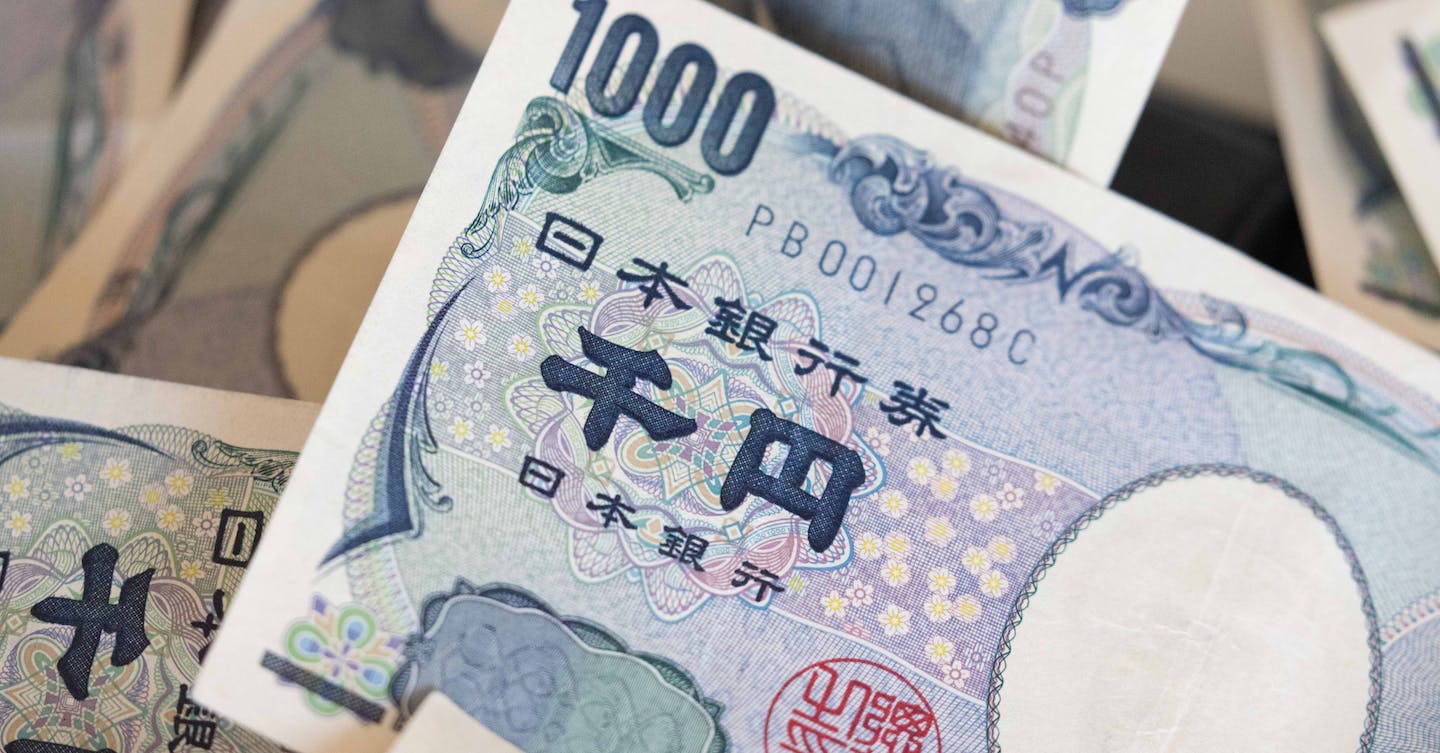
美元走势预测:美元指数跌破97.0至4年新低,2026年美元继续下跌还是触底反弹?
TradingKey - 2026年1月份,美元指数延续2025年的下跌走势,正式跌破97.0关键关口,最低下探至95.5,创下自2022年2月以来的近4年新低。