
Apple Inc
AAPLToday
+3.14%
5 Days
-4.78%
1 Month
-8.11%
6 Months
+3.64%
Year to Date
+4.38%
1 Year
+40.79%
Apple Inc News
Apple (AAPL) Falls 6% as Memory Crisis Forces Price Hikes Across Macs and iPads
TradingKey - Apple stock fell after raising Mac and iPad prices to offset soaring DRAM and NAND costs. Here's how the AI memory shortage boosting Micron is squeezing Apple's margins.
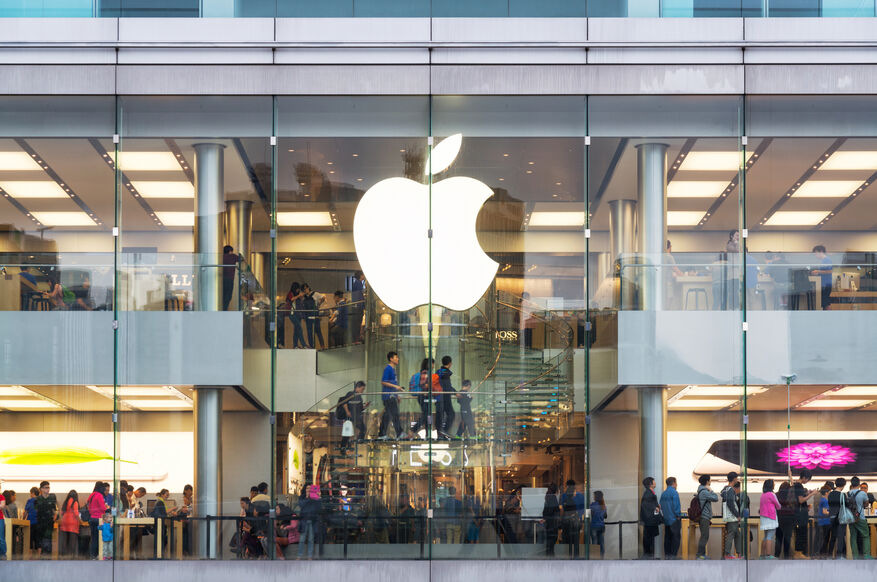
Apple Stock Price Forecast: Product Price Hikes Trigger Over 6% Drop, May Continue to Correct
TradingKey - On Thursday, June 25 (Eastern Time), Apple (AAPL) shares closed down 6.12% at $275.15, after hitting an intraday low of $273.75. Looking at the session, Apple not only underperformed the Nasdaq today but also became one of the key heavyweights dragging down the performance of mega-cap tech stocks. The direct catalyst for the market sell-off was Apple's recent announcement of price hikes across multiple hardware products, triggering a reassessment by investors of its future demand, profit margins, and brand pricing power.
TradingKey Daily Market Briefing: PCE Inflation Hits Three-Year High, Micron Leads Chip Stocks, Apple Falls Over 6%
TradingKey - On June 25, Eastern Time, the three major US stock indexes closed mixed. Strong earnings from Micron (MU) reignited trading in AI memory and semiconductors, but declines in Apple (AAPL) and several mega-cap tech stocks offset the support from the rebound in chip stocks. Meanwhile, US May PCE inflation rose to a three-year high, and the market remained cautious about the Federal Reserve's subsequent rate hike path.

Japan and South Korea Stocks Open Lower and Plunge 3%, Memory Giants Samsung, SK Hynix, and Kioxia Collectively Tumble
Japanese and South Korean stock markets opened lower and extended losses, with the KOSPI and Nikkei 225 indices falling around 3%, while Kioxia, SK Hynix, and Samsung Electronics plunged collectively.

Apple Implements Largest Hardware Price Hike. Stock Tumbles Over 5%, JPMorgan Says Market Overly Amplified Cost Impact
TradingKey - Apple has officially implemented its largest global hardware price hike in recent years, raising prices across its entire Mac lineup, iPads, and other products. As a benchmark of the global consumer electronics industry, Apple's decision to pass skyrocketing supply chain costs directly onto consumers has sent shockwaves through the market, causing its stock price to plunge over 5% at one point on Thursday, marking its largest single-day decline since February this year.
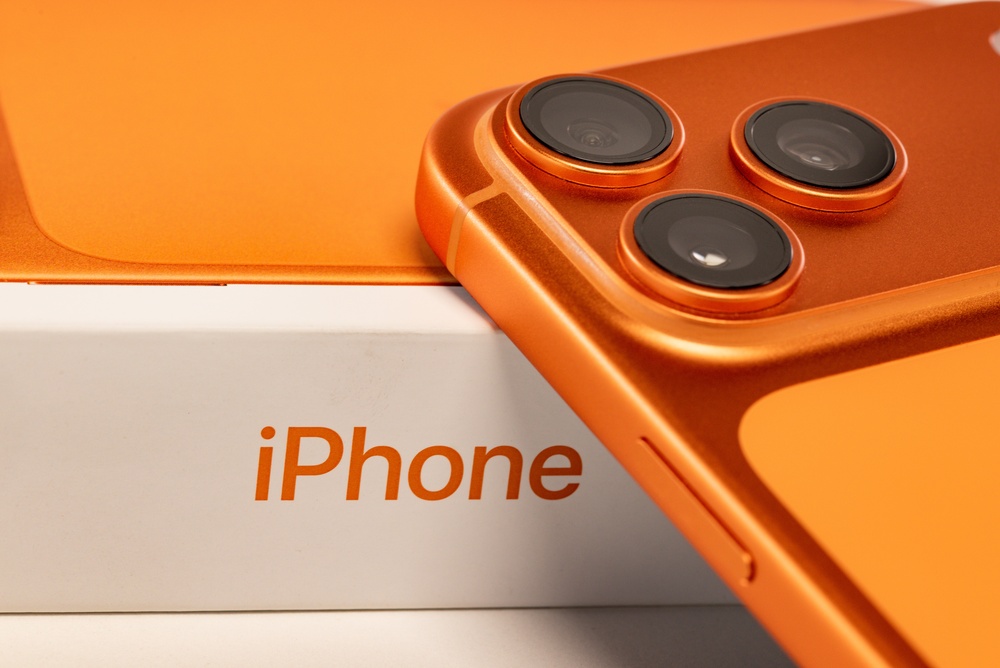
US Pre-Market: US-Iran Deal Hedges Hawkish Fed. Three Major Index Futures Rebound, Intel Rises Over 9%, AI Chip Stocks Rally
TradingKey - On Thursday Eastern Time, futures on the three major US stock indexes rose in unison in pre-market trading, as market sentiment recovered significantly from the previous trading session. Although Federal Reserve Chairman Kevin Warsh struck a hawkish tone after his first policy meeting, prompting the market to reprice the risk of rate hikes this year, an interim agreement signed between the US and Iran and improved shipping expectations in the Strait of Hormuz continued to weigh on international oil prices, easing concerns over energy inflation and boosting risk appetite for tech stocks.