


Oil Prices Below $100 Amid US-Iran Conflict: A Market Anomaly? Analysts Warn Catch-Up Rally Is Imminent



AI Podcast


Crude oil prices surged following U.S.-Iran conflict escalation, with Brent crude reaching $85/barrel due to disruptions affecting global supply. However, prices have not breached $100, attributed to diversified oil sources, increased U.S. production, and high onshore inventories. Strategic pipelines and trader resilience to geopolitical shocks also mitigate price volatility. Analysts caution that prolonged conflict or blocked Strait of Hormuz could trigger a price surge beyond $100, with potential for medium-to-long-term shortages if production shutdowns occur. Market sentiment remains cautious, awaiting further conflict developments.
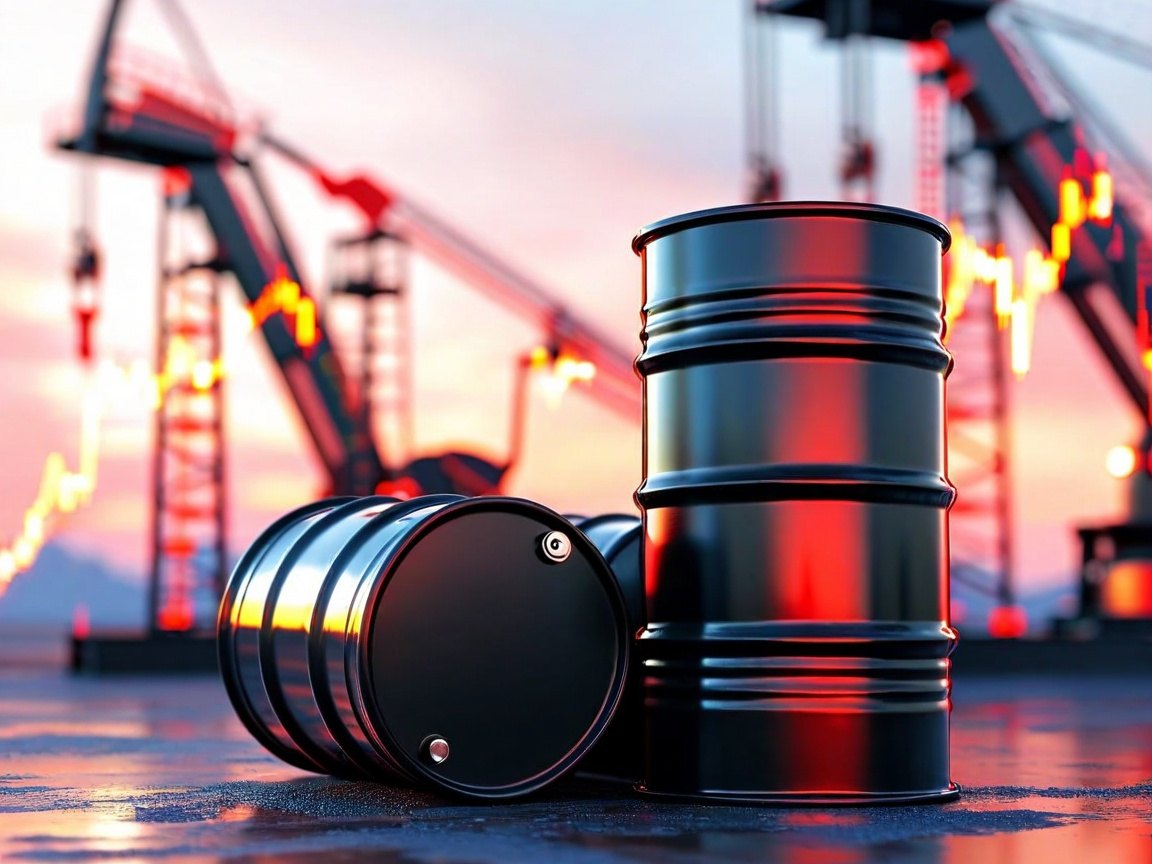
TradingKey - Crude oil prices have surged recently as the conflict between the U.S. and Iran escalates. Brent crude rose by approximately 30% within four days of the conflict's outbreak, reaching the $85 per barrel level.
According to reports, more than 150 oil tankers are currently stranded in the Strait of Hormuz. Additionally, attacks on Qatari liquefied natural gas (LNG) plants and Saudi refining facilities have effectively halted about one-fifth of the global oil and gas supply.
However, analysts point out that oil prices have failed to break the symbolic $100 threshold and are even showing signs of cooling, a stark contrast to previous major oil crises.
Oil Prices Below $100: No De Facto Shortage
Analysts believe that the diversification of crude oil sources and the structural shift in the global economy's dependence on crude oil mean that disruptions in Middle Eastern production no longer cripple the global economic lifeline. This is likely the fundamental reason why the current conflict has not caused oil prices to double.
Currently, although Middle Eastern nations remain key oil suppliers, the U.S. has emerged as the world's largest oil producer with output maintained at high levels, reducing the impact of Middle Eastern supply volatility on global markets.
This is entirely different from the consequences of the 1970s oil embargo during the Middle East wars. At that time, Arab nations halted oil exports to the U.S. and Europe to target Israel and its allies, causing crude prices to triple and sending inflation and economic recession soaring across the West.
Furthermore, despite the transport paralysis, global onshore inventories remain high at 2 billion barrels. Meanwhile, Saudi Arabia and the UAE possess pipelines capable of bypassing the Strait of Hormuz, allowing for the diversion of approximately 9 million barrels per day.
Given the frequency of global geopolitical conflicts in recent years—with some analysts suggesting the shocks of the past five years equal those of the previous 25—traders have developed resilience to short-term disruptions. Energy traders are also better prepared with contingency plans to reroute global energy flows quickly.
Other analyses suggest that political factors may be constraining oil prices. With the November midterm elections approaching, the U.S. government cannot tolerate the surge in inflationary pressure from spiking oil prices and is prepared to release reserves to suppress them, making bulls more cautious.
Analysts' Warning: $100 Oil Is Within Reach
Although oil prices have remained restrained, with Brent crude stabilizing in the $80-$90 range, analysts point out that this does not mean the upward momentum has vanished. Current prices reflect market expectations of a swift reopening of the Strait of Hormuz. Should the U.S.-Iran conflict spiral out of control beyond market expectations, a breach of $100 will be inevitable.
Specifically, energy consultancy Wood Mackenzie noted that a prolonged blockade would lead to a price surge; if tanker traffic is not restored quickly, prices could exceed $100 per barrel.
JPMorgan Chase (JPM) predicts that in a scenario where the Strait is completely blocked, oil-producing nations can only maintain normal production for a maximum of 25 days, after which a shutdown would be triggered.
Currently, Iraq has partially shut down the Rumaila field, the world's largest, as storage tanks reached critical levels. Notably, production shutdowns have a long-tail effect; once production is forced to stop, the technical and time costs of restarting fields can transform a temporary disruption into a medium-to-long-term shortage.
Beyond the Strait of Hormuz variable, the trajectory of the U.S.-Iran conflict will also dictate prices. If escalation leads to attacks on critical port infrastructure, the market's risk premium will continue to increase.
Analysts warn that the current sideways movement in oil prices may just be the calm before the storm, with the market's wait-and-see sentiment only a step away from panic.
This content was translated using AI and reviewed for clarity. It is for informational purposes only.
Recommended Articles









Comments (0)
Click the $ button, enter the symbol, and select to link a stock, ETF, or other ticker.