


Middle East Conflict Intensifies. Global Aluminum Supply Chain Faces Crisis, Aluminum Prices Surge to Highest Level Since 2022



AI Podcast


Geopolitical conflict in the Middle East has escalated, causing market panic and driving up global aluminum prices. Iran's threat to close the Strait of Hormuz jeopardizes supply chains, leading Aluminium Bahrain (Alba) to declare force majeure. London aluminum prices surged 4%, reaching their highest levels since 2022. Middle Eastern smelters, accounting for 9% of global capacity, are vulnerable to shipping disruptions. The region's high dependence on imported alumina further exacerbates supply risks. Limited global inventories and rising energy costs also contribute to tight supply and potential price rallies.
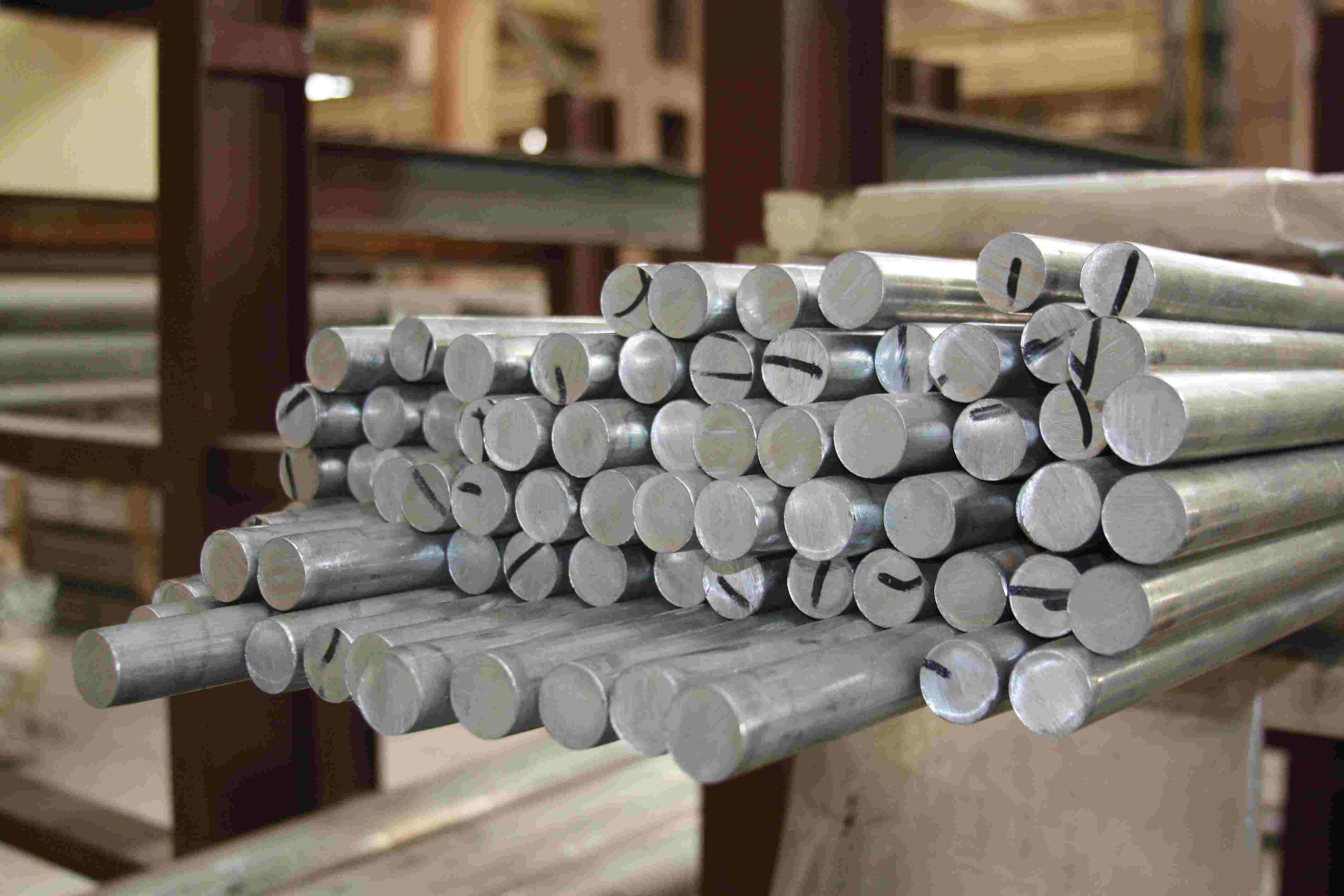
TradingKey - The sharp escalation of geopolitical conflict in the Middle East has triggered market panic over critical supply chain disruptions, directly driving up global aluminum prices and upsetting the original rhythm of international commodity trade. As the conflict between the U.S. and Iran intensifies, Iran's threat to close the Strait of Hormuz directly jeopardizes the supply chain security of Middle Eastern aluminum smelters, which account for 9% of global production capacity.
Aluminium Bahrain BSC (Alba) has taken the lead in invoking force majeure clauses in supply contracts for some customers, suspending metal deliveries, and officially confirmed the move on Wednesday.
Driven by this news, London aluminum prices saw a maximum single-day gain of 4%, marking the largest one-day increase since November 2024 and climbing to their highest levels since 2022.
Aluminium Bahrain stated that the force majeure declaration stems from transit obstructions in the Strait of Hormuz and is unrelated to any operational disruptions or damage to the smelter facilities themselves.
The Strait of Hormuz is a vital global artery for energy and commodity transport; any shipping disruption would deal a fatal blow to the aluminum supply chain. Traders warn that if the situation does not ease quickly, a wave of large-scale force majeure declarations could follow.
Supply Chain Disruption Risks in Middle Eastern Aluminum Industry
Aluminium Bahrain is a major aluminum supplier in the Middle East with an annual capacity of over 1.6 million tons, making it one of the world's largest single-site aluminum producers and a long-standing stable supplier of primary aluminum to regions including Europe and Asia.
Aluminum is the world's second most widely used industrial metal after steel. Given its abundant reserves and cost advantages over competing materials like copper, it is extensively used in automotive parts, household appliances, beverage cans, and window frames.
However, its complex supply chain network—from bauxite mining and alumina refining to aluminum smelting—has repeatedly exposed vulnerabilities in recent years. Highly specialized product forms are difficult to substitute quickly, and even brief supply disruptions can cause significant commercial losses for downstream factories that rely on just-in-time procurement.
Despite U.S. President Trump's statement on Tuesday that the U.S. Navy will escort tankers and other commercial vessels through the Strait of Hormuz, traders remain skeptical about whether traffic through this critical waterway can return to normal quickly.
If Middle Eastern smelters are paralyzed by disruptions in metal exports and raw material imports, manufacturers in Europe, Asia, and the U.S. will face severe spot supply shortages.
Europe is particularly at risk, as its aluminum imports account for about 30% of the region's supply, while U.S. imports exceed 20%, International Group added.
Currently, Qatar's state-owned aluminum producer has already cut production, while the UAE's largest supplier is seeking to mobilize inventory from outside the region to avoid impacting customers.
Driving Factors Behind Rising Aluminum Prices
China's electrolytic aluminum production capacity is approaching the policy "red line" of 45 million tons, leaving limited room for future growth and making it impossible to alleviate global supply pressures through capacity expansion as in the past.
Meanwhile, emerging production regions such as Southeast Asia face challenges like high energy costs and local regulatory restrictions. The difficulty of building new smelters has far exceeded expectations, causing global aluminum capacity growth to stall.
The global aluminum market is already in a state of tight supply-demand balance, and the Middle East conflict acts as the proverbial last straw on an already strained supply line.
Iranian strikes against GCC (Gulf Cooperation Council) nations are triggering a chain of production halts in the regional aluminum industry. Qatar has completely stopped aluminum production, and core aluminum plants in the UAE and Bahrain face shutdown risks due to attacks on energy facilities and power outages, leading to a continuous expansion of regional capacity losses.
While Middle Eastern electrolytic aluminum capacity accounts for about 9% of the global total, the industrial structure has a clear weakness: despite large-scale primary aluminum capacity, the self-sufficiency rate for alumina is only 34%, with countries like Bahrain, Qatar, and Oman 100% dependent on external imports.
Shipping obstructions in the Strait of Hormuz not only directly cut off export channels for Middle Eastern electrolytic aluminum but are also likely to trigger alumina supply disruptions. According to industry assessments, a total cutoff of raw materials would impact approximately 380,000 tons of electrolytic aluminum output in the short term. Currently, global visible electrolytic aluminum inventories are equivalent to only about 8 days of production, leaving the market with extremely weak buffering capacity.
As a typical "energy-intensive industry," energy costs account for 40% to 50% of electrolytic aluminum production costs. The Middle East conflict has already pushed up global oil and gas prices. If overseas electricity prices rise sharply in response, it will directly elevate production costs for overseas aluminum plants, forcing high-cost capacity to exit and further tightening global supply.
Beyond industry-level supply and demand drivers, a core trading theme in global capital markets—the HALO trade (Heavy Assets Low Obsolescence)—is also providing long-term capital logic support for rising aluminum prices.
The non-ferrous metals sector is becoming a core track for the HALO trade. Its three characteristics—heavy asset attributes, strategic resource scarcity, and essential demand for AI infrastructure—perfectly align with the investment logic of "going long on physical hard assets that are difficult for AI to replace and are relied upon by AI," providing long-term support for aluminum prices and sector valuations.
A review of the 2021-2022 European energy crisis reveals that skyrocketing energy prices drove aluminum prices and the related sector up by 60% and 100%, respectively. Supply concerns stemming from the current escalation in the Middle East are replicating a similar market logic. Coupled with a medium-to-long-term tight supply-demand balance and the support of the HALO trade, the aluminum sector is poised for a rally in both prices and valuations.
This content was translated using AI and reviewed for clarity. It is for informational purposes only.
Recommended Articles









Comments (0)
Click the $ button, enter the symbol, and select to link a stock, ETF, or other ticker.