


30-Year Treasury Yield Surges to 2007 High. Morgan Stanley Sees Major US Stock Correction



AI Podcast


Rising energy prices and persistent inflation are driving market expectations towards a Federal Reserve rate hike cycle, causing global government bond yields to surge. The 30-year U.S. Treasury yield reached its highest level since 2007, nearing 5.20%, while the 10-year yield approached 4.70%. U.S. CPI and PPI figures exceeded expectations, confirming broad-based inflation. Fed officials have emphasized upside inflation risks, leading markets to largely dismiss rate cut prospects for 2027 and price in a hike. This surge in yields presents headwinds for U.S. equities, with potential for a market correction if bond volatility increases.
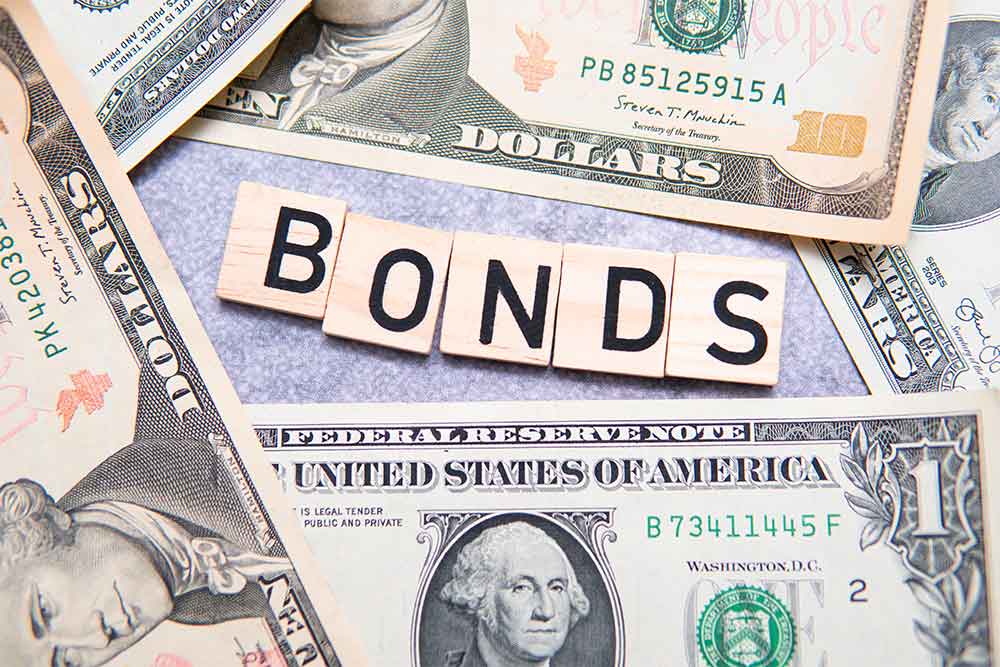
Tradingkey - Driven by rising energy prices due to tensions in Iran, market inflation expectations are heating up rapidly, with investors beginning to bet that the Federal Reserve may initiate a rate hike cycle later this year.
Driven by this sentiment, government bond yields globally have risen in tandem. Growing market concerns that persistent inflation will force central banks to tighten monetary policy have pushed long-term U.S. Treasury yields higher, with the 30-year Treasury yield surging again on May 20 to its highest level since 2007.
Market data showed the 30-year U.S. Treasury yield rose 7 basis points intraday, briefly breaking the 5.20% threshold. Meanwhile, the 10-year U.S. Treasury yield, a key benchmark for long-term government borrowing costs, continued its ascent, approaching the 4.70% psychological level intraday to hit a new periodic high since January 2025.
Amid the surge in yields, U.S. President Donald Trump has significantly softened his stance on the Federal Reserve's monetary policy.
In a media interview, Trump was asked whether Warsh would still push for rate cuts, given current market expectations that a rate hike is more likely than a cut this year. Trump responded clearly: "I would let him do what he thinks," adding, "He’s a very talented guy, he’ll be fine, he’ll do a great job."

[Source: TradingView]
The core driver behind this sharp rise in U.S. Treasury yields is the resurgence of global inflationary pressures, which have proven significantly more sticky than expected.
Recently, Kansas City Fed President Jeffrey Schmid stated that while the U.S. economy and AI-related investments remain resilient, rising oil prices are eroding household purchasing power and increasing corporate production costs, making "persistent inflation" the most urgent macroeconomic risk. He emphasized that although U.S. inflation has receded from its peak, the absolute level remains too high and is still far from the 2% policy target.
A recent research report from CITIC Securities suggests that U.S. CPI rose 3.8% year-on-year in April and PPI surged 6.0% year-on-year, both significantly exceeding market expectations, indicating that inflation is spreading comprehensively from the consumer side to the production side. Combined with recent hawkish signals from multiple Fed officials emphasizing upside inflation risks and hinting at potential future hikes, the market has completely reversed its rate-cut expectations from earlier this year, starting to price in the risk of at least one hike by 2027, which in turn has driven the rapid rise in Treasury rates.
Given the increasing probability of a prolonged conflict between the U.S. and Iran, the baseline inflation level for the U.S. is expected to rise significantly in 2026. High vigilance is required regarding secondary inflation shocks from sustained oil price increases and the resulting risk of further upward movement in Treasury rates.

Currently, expectations for a Fed rate cut this year have almost entirely vanished, while rate hike expectations in the market are heating up sharply. According to CME FedWatch, the market-priced probability of a rate cut in June is only 3.3%, while the probability of a rate hike by December has surged to 55%.
The rise in U.S. Treasury yields has posed challenges to the strong performance of U.S. equities, with the Nasdaq Index falling for three consecutive days since peaking on May 14.
Morgan Stanley points out that the 10-year Treasury yield reaching 4.5% (approaching 4.70% today) is a critical threshold where interest rates may begin to pose more significant headwinds for equity valuations. The firm stated that if bond volatility increases alongside rising long-term Treasury yields, U.S. stocks could see their first major correction since the market bottomed at the end of March.
It is worth noting that while the rapid rise in the risk-free rate may suppress the previous unidirectional rally in the AI and semiconductor sectors in the short term, from a long-term perspective, industrial development trends—rather than fluctuations in Treasury rates—are the fundamental variables determining the core market direction of the technology sector.
This content was translated using AI and reviewed for clarity. It is for informational purposes only.
Recommended Articles







Comments (0)
Click the $ button, enter the symbol, and select to link a stock, ETF, or other ticker.