


Apple Shares Plunge 5% After Foldable iPhone Engineering Scare—Where is the Next 'iPhone Moment'?



AI Podcast


Apple shares experienced intraday volatility following reports of potential delays in its foldable iPhone production. While initial news cited engineering setbacks, later reports suggested a September launch alongside the iPhone 18 series. Analysts view the foldable iPhone as a significant product line expansion, though its projected price exceeding $2,000 may impact demand. The company faces scrutiny over its AI strategy, with a partnership with Google for Siri upgrades. Despite concerns about market differentiation and competition, some analysts remain optimistic about Apple's execution on future opportunities.
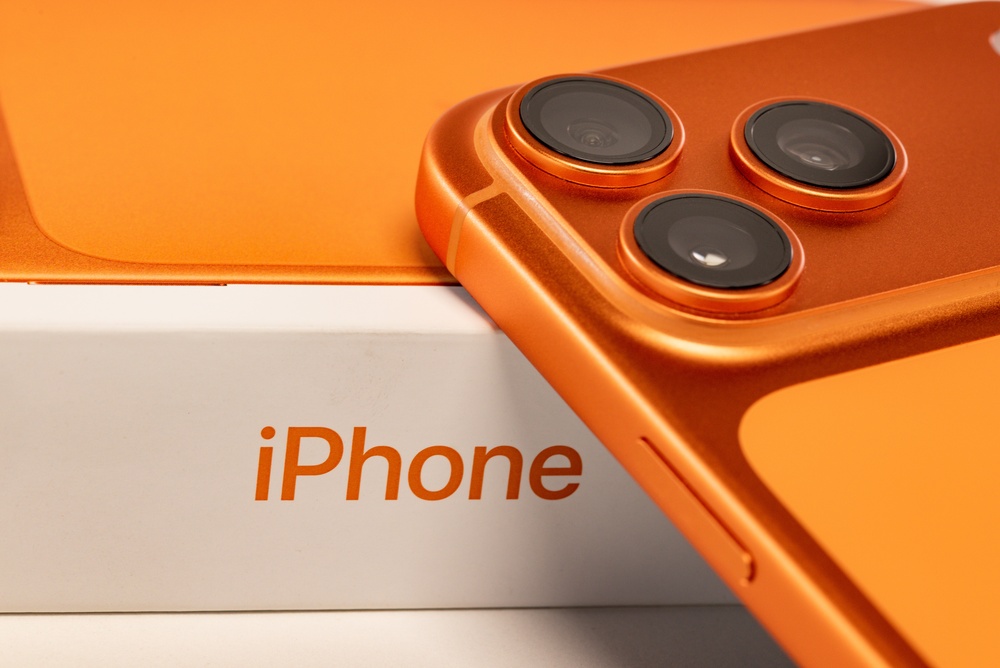
TradingKey - During the U.S. trading session on April 7, Apple (AAPL) shares tumbled more than 5% intraday, hitting a low of $245.70. A Nikkei report indicated that Apple encountered setbacks during the engineering testing phase of its first foldable iPhone, potentially delaying mass production and shipment schedules.
However, Bloomberg later reported that the product is expected to launch during the regular iPhone release cycle later this year, likely in September alongside the iPhone 18 Pro and Pro Max, as sources familiar with the matter refuted claims of major manufacturing flaws. Apple shares narrowed their loss to 2.07% at the close and edged higher in after-hours trading.
Since the beginning of 2026, Apple shares have fallen nearly 7% cumulatively, underperforming the S&P 500 and extending the downward trend from last year.
Why Apple’s First Foldable iPhone Matters
Analysts note that the launch of this device is a major move for Apple, aimed at expanding the iPhone product line through new designs, higher pricing, and enhanced features. By comparison, competitors Samsung Electronics and Huawei both released their first foldable smartphones as early as 2019.
Last year, Apple launched redesigned iPhone Pro and Pro Max models as well as a thinner iPhone Air; it is currently developing an independent iPhone redesign planned for 2027 to mark the 20th anniversary of the product's debut. For Apple, the first foldable iPhone represents the second stage of a three-year plan to reshape the iPhone's form factor.
Apple engineers believe they have solved long-standing screen quality and durability issues at the product level, reducing the visibility of the crease when the device is unfolded.
In its unfolded state, the foldable iPhone will feature an iPad-like interface with a widescreen orientation, offering advantages in video viewing and gaming experiences over rival products. At the same time, Apple plans to update iOS so that iPhone apps present an iPad-like software interface on the device.
However, the device's pricing, which is expected to exceed the $2,000 mark, could dampen demand among some consumers. Nevertheless, for Apple, this will increase the average selling price and drive revenue growth.
It is worth noting that Apple's hardware chief, John Ternus, will lead the iPhone roadmap, and he is currently the front-runner to succeed CEO Tim Cook.
Will Apple’s Next 'iPhone Moment' Arrive?
Although Apple currently has 2.5 billion active devices worldwide and a mature product line, the market has been waiting for its next breakthrough product to rival the iPhone. Among Apple's highly anticipated projects, the Apple Car project has been terminated, and the Vision Pro headset remains a niche product, struggling to make a splash in the mass market.
IDC analyst Nabila Popa stated that she does not expect Apple's upcoming products to reach the heights of the "next iPhone moment," whether it is the Siri upgrade or a foldable iPhone. Ben Bajarin, CEO of Creative Strategies, believes that what is certain is that this product will be some form of AI hardware.
Looking ahead to the next decade, Forrester analyst Dipanjan Chatterjee said that for Apple, this period will be full of volatility because the way consumers interact with technology, especially in the field of generative AI, has changed so much.
Throughout 2025, Apple's roadmap was seen as having many missteps, the most important of which was significantly lagging behind in the AI race. Compared to Silicon Valley giants that routinely invest hundreds of billions of dollars in AI infrastructure, Apple has even been slow to deliver iterative upgrades for its voice assistant Siri. This January, Apple finally officially "outsourced" its AI upgrades to Google (GOOG) (GOOGL) , entering into a multi-year partnership to integrate Gemini models and cloud technology to support future Siri upgrades and foundational models.
Currently, Apple, lacking a clear AI strategy, is under increasing pressure and skepticism, requiring more effort and market performance to prove that its on-device AI features are sufficient to drive replacement upgrades for iPhones and Macs. Bajarin noted that although consumers have not yet upgraded their devices due to AI features, this could change in the future. He stated that Apple's fundamental trait is that it doesn't really lose customers, but whether it can attract new users is a question.
Morgan Stanley (MS) analyst Erik Woodring remains optimistic; although Apple's strategy has been somewhat unclear over the past two years, he believes that once Apple identifies a truly significant opportunity, it will execute effectively.
Recommended Articles









Comments (0)
Click the $ button, enter the symbol, and select to link a stock, ETF, or other ticker.