


What Is Ethereum? Is ETH a Good Investment in 2026?



AI Podcast


Ethereum has evolved into a foundational layer of Web3, a trillion-dollar financial infrastructure powered by its programmable blockchain. The Pectra upgrade enhanced scalability and Layer 2 compatibility. Institutional adoption is increasing, with companies like PayPal integrating stablecoins on Ethereum for global settlements. ETH, the native cryptocurrency, fuels transaction fees, staking rewards, and DeFi collateral. While facing competition and regulatory uncertainty, Ethereum's dominant developer ecosystem and "productive asset" narrative, earning yield through staking, position ETH as a cornerstone investment for exposure to decentralized finance and digital ownership.

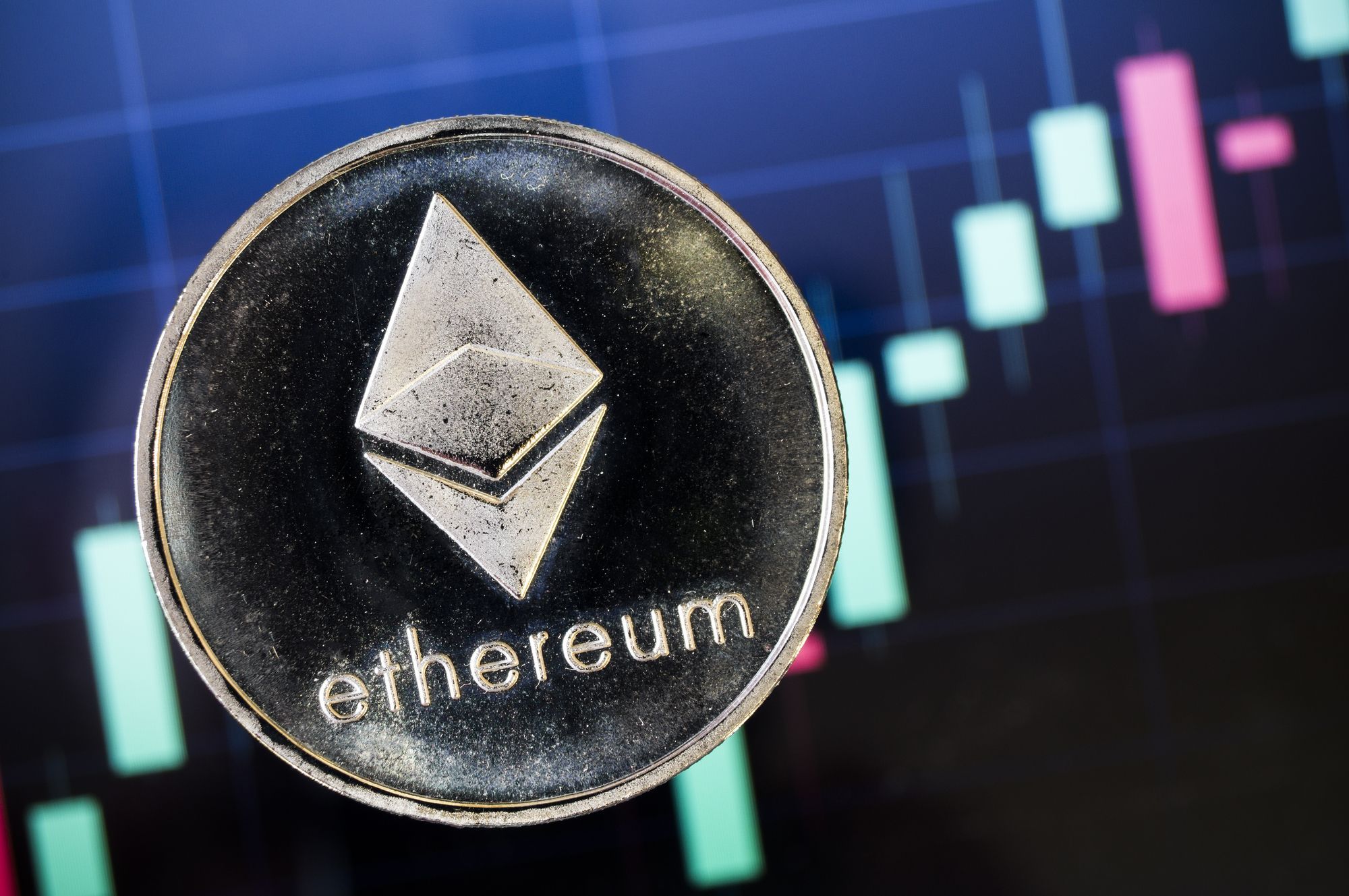
TradingKey - The digital asset landscape has undergone a tectonic shift since 2015, evolving from a fringe experiment into the underpinning of a trillion-dollar financial infrastructure. At the center of this transformation is Ethereum (ETH), the second-largest cryptocurrency by market capitalization and arguably the most powerful blockchain in existence. While Bitcoin pioneered decentralized money, Ethereum made that concept programmable and global, functioning as a "world computer."
To determine whether ETH remains a high-conviction investment today, we must analyze Ethereum's technological utility and the macro forces driving its adoption as we move through the 2026 market cycle.
Ethereum News Today: The Post-Pectra Landscape
As of April 14, 2026, the network is operating at peak efficiency following the successful implementation of the Pectra upgrade. This landmark hard fork significantly improved network scalability by introducing advanced smart wallet support and deeper Layer 2 (L2) compatibility. Following 2022's monumental "Merge," which transitioned the network to Proof of Stake (PoS), Pectra has further established Ethereum as a scalable, enterprise-grade platform.
Institutional demand has reached an all-time high. Payment giants such as PayPal and Shopify have recently expanded their integration, utilizing stablecoins like PYUSD on Ethereum and its L2 extensions to facilitate instant, cross-border settlements for millions of merchants globally.
What is Ethereum? The Global Decentralized Computer
Launched in July 2015 by Vitalik Buterin and a team of co-founders, Ethereum is an open-source, public blockchain that allows developers to build and deploy decentralized applications (Dapps). Unlike traditional cloud providers like AWS — centralized entities prone to single points of failure — Ethereum runs on a worldwide mesh network of thousands of individual computers known as nodes.
The core philosophy of Ethereum is censorship resistance. Since the ledger is mirrored across the globe, no single bank, corporation, or government can freeze an account or block a transaction. This "World Computer" runs 24/7/365, serving as a permanent, transparent source of truth available to anyone with an internet connection.
The Ethereum Ecosystem (Web3)
Ethereum has birthed an entire ecosystem known as Web3, centered on digital ownership:
- Decentralized Finance (DeFi): Borrowing, lending, and trading financial instruments without traditional intermediaries.
- NFTs: Digital provenance for art, collectibles, and in-game items.
- Stablecoins: Assets pegged to traditional currencies (e.g., USDC, DAI) that act as the primary medium for global on-chain trade.
Is ETH a Coin or Token? Ether vs. Ethereum
- Ethereum: The blockchain network and its underlying "operating system."
- Ether (ETH): The network’s native cryptocurrency.
ETH is technically a coin because it is the native asset of its own blockchain. In contrast, tokens (such as Chainlink or Uniswap) are built on top of the Ethereum network. Think of Ethereum as the highway system and Ether as the fuel required to drive on it. The network cannot execute smart contracts or process transactions without ETH to pay for "gas."
How Does Ethereum Work? Smart Contracts and Consensus
Ethereum’s versatility stems from smart contracts — self-executing programs where the terms of an agreement are written directly into code. While the concept predates blockchain, Ethereum was the first to make them globally accessible and tamper-proof.
The Ethereum Virtual Machine (EVM)
The EVM runs on every node in the network. It is the "engine" that executes smart contracts consistently across the entire mesh. When you use a dapp, the EVM ensures that the result is identical for all nodes, making it impossible to cheat or alter data retroactively.
Proof of Stake: Efficiency and ESG
After "The Merge" in 2022, Ethereum moved from energy-intensive mining to Proof of Stake.
- Staking: Instead of using hardware to solve math puzzles, participants "stake" their ETH to verify transactions.
- Sustainability: This transition made Ethereum 99.9% more energy efficient, addressing environmental concerns and opening the door for institutional ESG (Environmental, Social, and Governance) investment.
What is ETH Actually Used For?
ETH is often called "digital oil" because it fuels essential network functions:
- Transaction Fees (Gas): Every action, from sending a payment to minting an NFT, requires a fee in ETH.
- Staking Rewards: Holders can stake ETH to secure the network and earn an annual percentage yield (APY).
- Collateral in DeFi: ETH is the primary collateral used to mint decentralized stablecoins or borrow assets in protocols like Aave.
- Governance: Certain Ethereum-based tokens allow users to vote on the future of specific protocols.
The Rise of Layer 2 (L2)
To accommodate millions of users, Ethereum relies on L2 scaling solutions like Arbitrum, Optimism, Base, and ZKSync. These act as "express lanes," processing transactions off the main chain before settling them back to Ethereum. This has slashed transaction fees from several dollars to a fraction of a cent, enabling micropayments and real-time gaming.
Is ETH a Good Investment in 2026?
Investing in ETH is essentially a bet on the continued adoption of decentralized infrastructure.
The Case for ETH
- Institutional Maturation: The successful launch of Ethereum Spot ETFs and adoption by Visa and PayPal has reclassified ETH from a retail experiment to an institutional-grade asset.
- The "Productive Asset" Narrative: While Bitcoin is "Digital Gold" (a store of value), ETH is a productive asset that earns yield through staking.
- Dominant Developer Share: Ethereum maintains the largest developer community and the most robust security of any programmable blockchain.
Risks to Consider
- Regulatory Landscape: While the SEC has provided some clarity, DeFi regulations are still being finalized in several global jurisdictions.
- Competition: "Layer 1" rivals like Solana and Avalanche provide higher speeds, though sometimes at the cost of decentralization.
- Macro Volatility: As seen in today's market (April 14, 2026), ETH remains sensitive to geopolitical shifts and Federal Reserve interest rate policies.
How to Buy ETH in 2026
Buying ETH has become a mainstream financial activity.
- Where to Buy: Use Centralized Exchanges (CEX) like Coinbase or Binance, or payment apps like PayPal and Venmo.
- Select a Wallet: For maximum security, use a self-custody wallet like MetaMask or a hardware wallet like Ledger.
- Compliance: Complete the KYC (Know Your Customer) process by providing a valid ID.
- Execute the Trade: Look up the ETH ticker and submit a "Market" or "Limit" order.
- Secure Your Funds: For long-term holding, transfer your ETH from the exchange to your private wallet.
The Bottom Line
In 2026, Ethereum has graduated from an experiment to the foundational layer of the new internet (Web3). It holds the "king of the hill" position in digital utility, just as Bitcoin is the king of digital value. For investors seeking exposure to the future of finance and digital ownership, ETH remains a cornerstone asset of the modern portfolio.
Recommended Articles




Comments (0)
Click the $ button, enter the symbol, and select to link a stock, ETF, or other ticker.