


Gold Reclaims $4,500 as Trump Signals Iran Peace, Leaving Markets to Weigh if Rout Is Over



AI Podcast


Gold prices rebounded after hints of a U.S.-Iran war resolution, but recent declines suggest a liquidity-driven sell-off, not a fundamental loss of safe-haven status. Volatility surged due to margin calls and rising oil prices, impacting bond attractiveness relative to gold. Despite significant ETF outflows and a speculative investor influence, analysts anticipate a recovery once market risk appetite returns. Gold's role as an inflation hedge and safeguard against dollar devaluation remains, potentially strengthening if geopolitical tensions disrupt the petrodollar system or if Federal Reserve policy necessitates quantitative easing, further eroding dollar credibility.
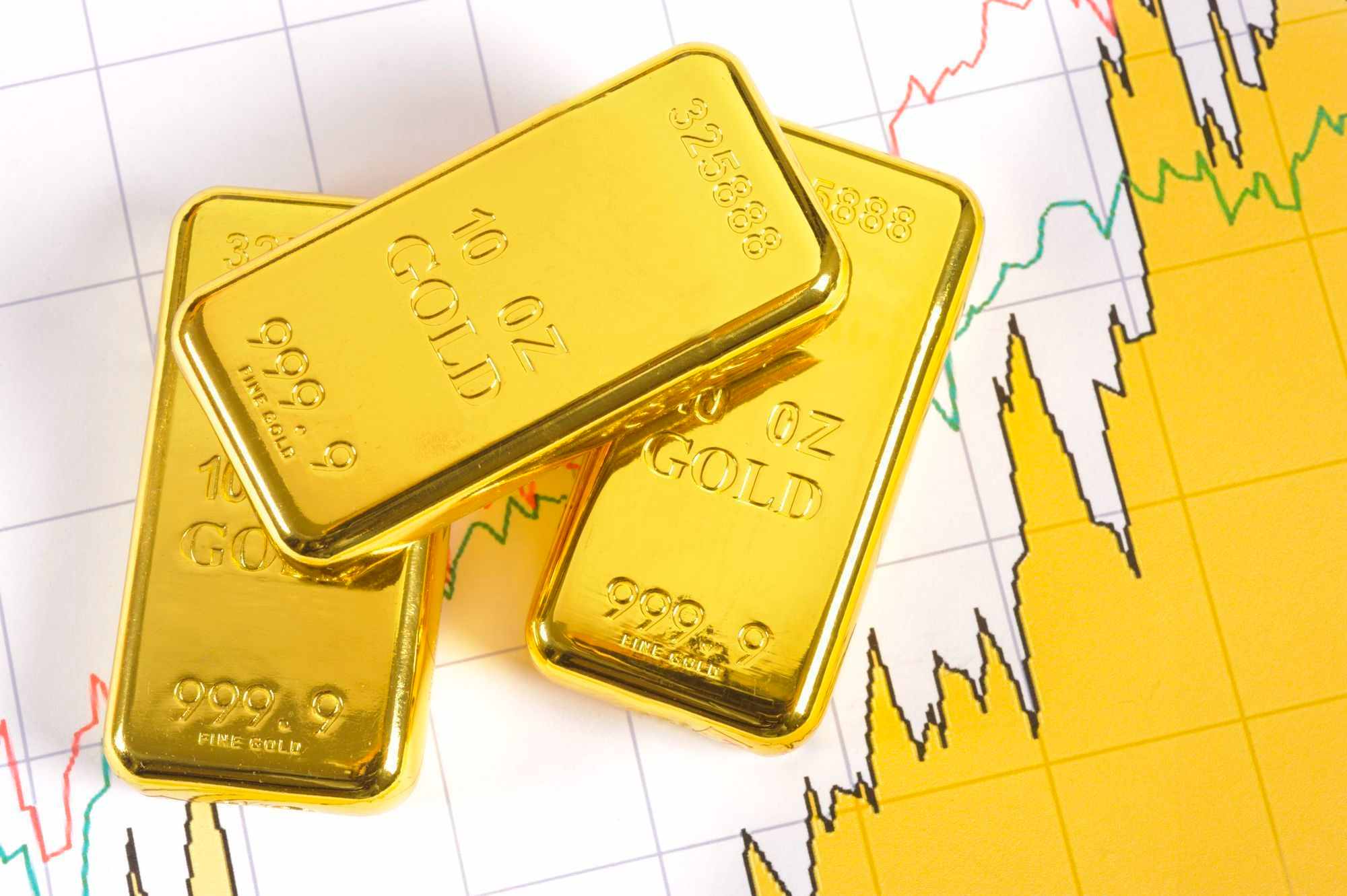
TradingKey - This week, after Trump hinted that the U.S.-Iran war might end early, Gold prices rebounded, reclaiming the $4,500 mark. As the window for U.S.-Iran negotiations opens, will the gold bear market come to a complete end?
Gold Sinks Amid War-Triggered Liquidity Rout
During the week ended March 21, gold plummeted by more than 10%, marking its largest single-week decline since March 1983; on Monday, it even plunged as much as 8% at one point, erasing all year-to-date gains. Since hitting an all-time high of $5,595 in January, gold has fallen by approximately 20%.
However, this does not mean that gold has lost its investment value. Analysts point out that the primary driver of this decline is a market liquidity stampede, rather than a fundamental change in gold's safe-haven logic.
The gold sell-off following the outbreak of the U.S.-Iran conflict was driven by two main factors. As the war rocked stock and bond markets, investors opted to sell gold to meet margin calls on their equity and debt investments amid intense volatility. At the same time, the war pushed up oil prices, thereby fueling inflationary pressures and reducing expectations for rate cuts. This made bonds more attractive while the appeal of gold, a non-yielding asset, fell sharply, further depressing gold prices. Data from Vanda Research shows that global gold ETFs have seen cumulative outflows of approximately $10.8 billion since the outbreak of the war.
Charles Gave and Louis-Vincent Gave of Gavekal Research pointed to another factor: gold was significantly overbought before the conflict, and overbought assets are often the first to be hit during market turmoil. According to the World Gold Council, global gold ETFs saw record monthly inflows of approximately $19 billion in January; total holdings rose by 120 tonnes to 4,145 tonnes, also a record. John Reade, the council's market strategist, said the growing influence of speculative investors in the gold market since last year has significantly increased price volatility.
Will Gold Reclaim Lost Ground?
Despite the ongoing conflict, some analysts believe gold prices could resume their rally. BMO analysts noted that once market risk appetite returns, gold is expected to recover most of its losses since the outbreak of the war.
Citing historical data, Ash of BullionVault pointed out that gold initially fell during the 2008 financial crisis but subsequently rebounded strongly as the market viewed it as the perfect asset for hedging against financial crises. Furthermore, during the first and second oil crises, gold prices surged by 79% and 291%, respectively, though they experienced significant volatility in the process.
Currently, the safe-haven logic for gold remains unchanged. Although gold prices have recently been under pressure, some strategists believe that gold's core pricing logic not only remains intact but is actually being reinforced by the progression of the conflict.
Following the outbreak of the Russia-Ukraine conflict, the trend toward de-dollarization has intensified, and the erosion of dollar credibility has accelerated. Central banks and sovereign wealth funds are speeding up the diversification of their reserve assets, with gold being a key strategic bet.
Analysts suggest that the current recovery in oil prices is merely due to a superficial restoration of the petrodollar system's credibility, leading to a temporary strengthening of the dollar. This has placed the dollar in competition with gold as a safe-haven asset, putting pressure on gold prices. However, if Iran maintains long-term control over the Strait of Hormuz, dollar-denominated oil trade will be disrupted, leading to greater dollar credit risk and a new upward cycle for gold.
Furthermore, gold prices are influenced by Federal Reserve interest rate policy, which is one of the most critical factors to monitor. If a Fed led by the next chair, Warsh, is forced into quantitative easing due to liquidity pressures, the cracks in dollar credibility will widen faster, potentially giving gold stronger upside momentum.
Once the liquidity crunch phase for gold concludes and its roles as an inflation hedge and a safeguard against dollar credibility risk become dominant, gold's upward cycle will restart.
Recommended Articles







Comments (0)
Click the $ button, enter the symbol, and select to link a stock, ETF, or other ticker.