


Silver Falls Below $80 Mark, Gold Falls Below 5000 Mark, Is the Precious Metals Bull Over?



AI Podcast


Precious metals experienced a sharp pullback during the Asian trading session on March 16, with silver falling below $80 and gold briefly losing 5,000. This correction, following months of gains, reflects profit-taking and repricing due to geopolitical events and rising inflation expectations from surging energy prices. Despite short-term volatility, the long-term bull market for precious metals remains supported by global uncertainty, geopolitical risks, and central bank accumulation. Silver's industrial demand also provides fundamental support, though its speculative nature can lead to price decoupling.
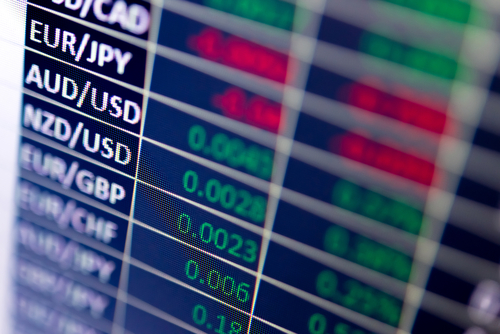
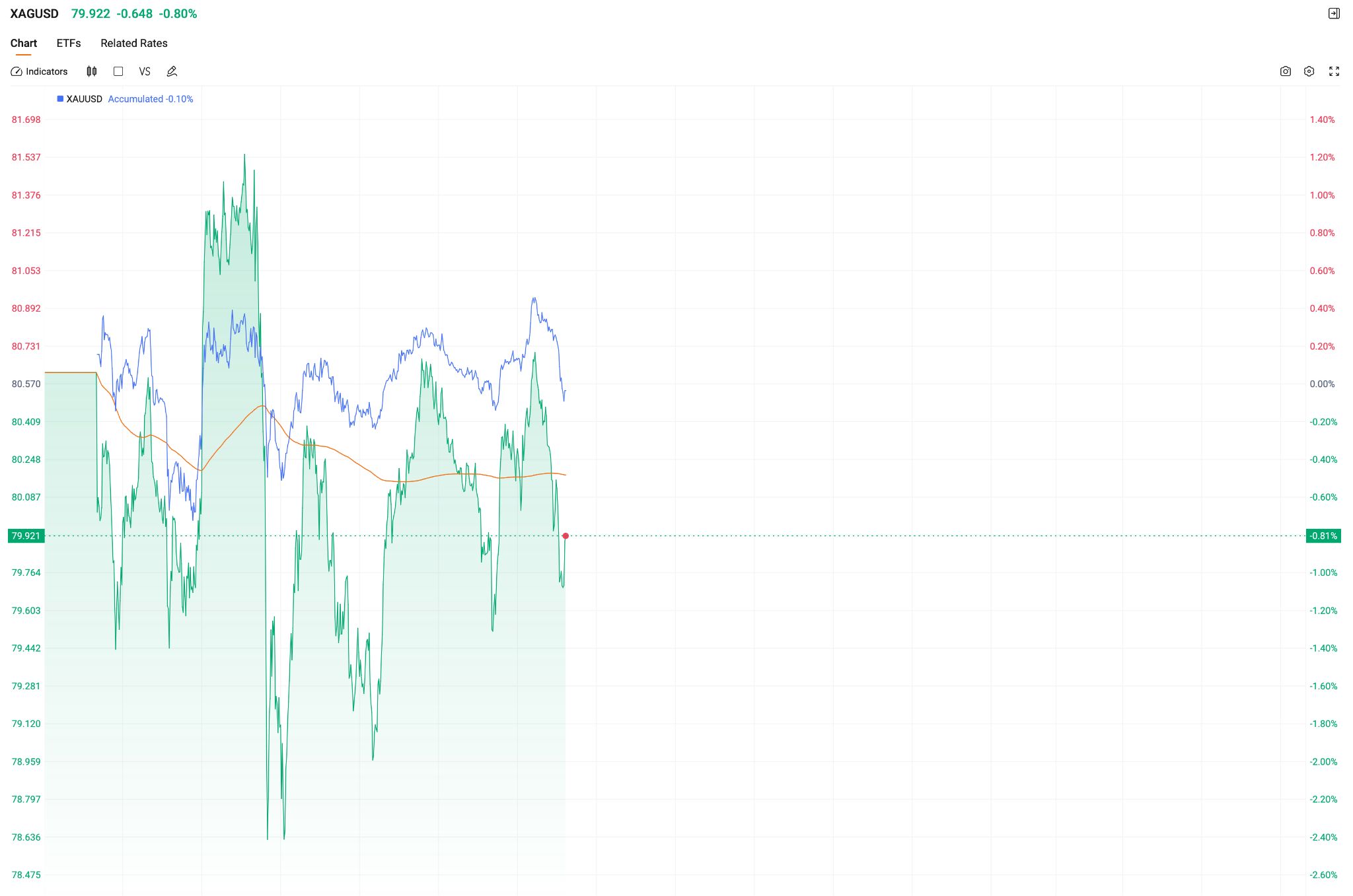
TradingKey - During the Asian trading session on March 16, the precious metals market experienced a significant pullback. Silver prices (XAGUSD) fell below the $80 mark, while gold prices (XAUUSD) also briefly lost the 5,000 level.
After months of continuous strong gains, this correction reflects a shift in short-term market sentiment and reveals that the macro environment is repricing precious metals.
From a market structure perspective, the previous rapid rise in precious metals prices was partly driven by safe-haven demand, cooling inflation expectations, and entry signals triggered by continuous accumulation by central banks and institutions.
Following the outbreak of conflict in the Middle East, gold and silver prices fell instead of rising, indicating that a large amount of short-term capital began concentrated profit-taking, leading to a technical correction in the market. Silver, in particular, tends to exhibit more volatile price swings during capital outflows due to its smaller market size.
Secondly, changes in macro expectations have also placed pressure on precious metals. The impact of Iran's control over the Strait of Hormuz led to market expectations of energy shortages, driving up energy prices and causing global oil prices to surge. This heightened global inflation expectations, and higher inflation could force central banks to remain cautious regarding interest rate adjustments.
From a long-term perspective, the current correction does not necessarily mean the precious metals bull market has ended. Historically, precious metals often experience several significant adjustments during an upward cycle. Based on fundamentals, the core drivers for precious metals remain intact; given global economic uncertainty, geopolitical risks, and monetary system instability, gold and silver still possess long-term allocation value.
The continuous accumulation of gold by central banks has become a significant trend in recent years, providing long-term support to the market to some extent. Unlike gold, which primarily relies on its financial attributes, silver also possesses distinct industrial properties.
The development of renewable energy, photovoltaics, and the electronics industry has led to sustained growth in industrial demand for silver. Therefore, silver often receives additional support from industrial demand when the economic cycle improves.
However, the logic for allocating silver as a safe-haven asset has not yet been widely accepted by the market. Given its volatility, silver is more easily categorized by the market as a high-volatility risky asset; its deep involvement of speculative capital causes it to decouple from safe-haven assets in certain scenarios.
From a macro perspective, given current global uncertainties and rising inflation expectations, this bull market in precious metals still has a solid fundamental foundation. Short-term adjustments help clear out some short-term capital, thereby reducing the volatility of safe-haven assets.
This content was translated using AI and reviewed for clarity. It is for informational purposes only.
Recommended Articles







Comments (0)
Click the $ button, enter the symbol, and select to link a stock, ETF, or other ticker.