


Nikkei 225, Kospi Post Largest Monthly Declines Since Financial Crisis in March



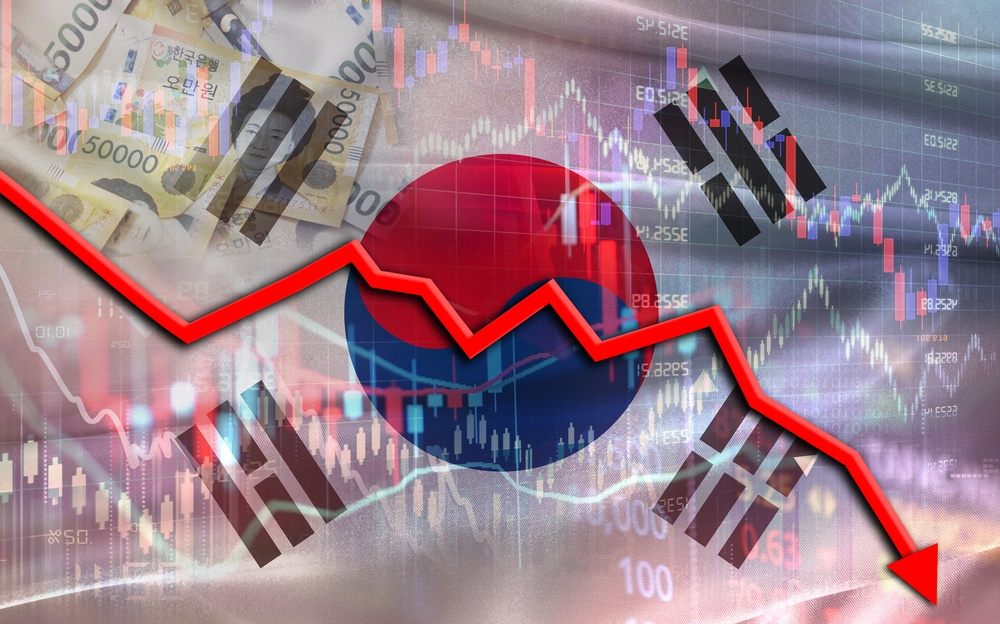
TradingKey - In Asian trading on Tuesday, the Nikkei 225 Index closed down 1.6% at 51,063.72, with the index plunging 13.2% in March. South Korea's KOSPI Index closed down 4.3% at 5,052.46, falling 19.1% in March. Both recorded their largest single-month declines since October 2008. Risk sentiment in regional markets has deteriorated significantly.
This deep correction in Asia-Pacific equity markets was primarily driven by the dual impact of escalating geopolitical conflicts and a tightening global macro environment. Persistent volatility in the Middle East and significant fluctuations in energy prices have notably increased market uncertainty, causing risk aversion to spike and leading to a concentrated sell-off of risky assets.
At the same time, shifting interest rate expectations have also put pressure on the market.
Against a backdrop where the inflation path remains unclear, market expectations regarding major central banks maintaining high interest rates or tightening further have fluctuated. High-valuation assets are under clear pressure, with technology and export-oriented sectors bearing the brunt. The South Korean market, due to its heavy weighting in semiconductors and cyclical industries, is particularly sensitive to changes in global liquidity, resulting in a decline significantly steeper than the regional average.
From a market structure perspective, the broad weakness in heavyweight stocks has further amplified index losses. Semiconductor leaders and large export enterprises have faced continuous selling pressure, which, coupled with the depreciation of the South Korean won, has formed a negative feedback loop of a "double blow to stocks and currency," further weakening the appetite for foreign capital allocation.
In addition, technical factors should not be overlooked.
Following previous rallies, valuations in parts of the Asia-Pacific market had reached relatively high levels. Once external shocks emerged, capital was more inclined to exit quickly to lock in profits, amplifying short-term volatility. The MSCI Asia Pacific Index also recorded a significant decline this month, reflecting the characteristics of a regional systemic correction.
Market analysts believe the current environment is in a typical phase of "high uncertainty and low risk appetite," with short-term performance highly dependent on macro external developments. If geopolitical conflicts escalate further or the interest rate environment remains tight, Asia-Pacific stocks may still face downward pressure; conversely, if risk factors subside, the market could see a technical rebound.
This content was translated using AI and reviewed for clarity. It is for informational purposes only.
Recommended Articles








Comments (0)
Click the $ button, enter the symbol, and select to link a stock, ETF, or other ticker.