


Explosive Earnings, Chilly Stock Price: Is Nvidia’s AI Myth Crumbling?



TradingKey - Nvidia ( NVDA) recently disclosed fiscal first-quarter revenue guidance of $78 billion, far exceeding Wall Street's average estimate of $72.8 billion, yet this stellar performance failed to drive a sustained increase in the stock price.
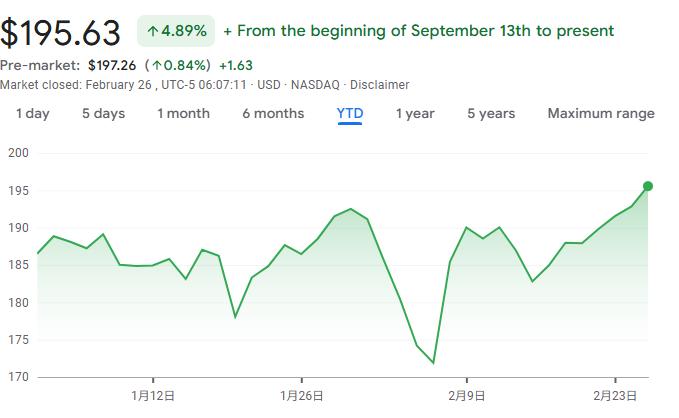
In after-hours trading on Wednesday, the company's share price surged by as much as 4% before quickly retreating and erasing those gains. So far this year, the stock has risen only slightly, by nearly 5%.
As a company that has ascended to the ranks of the world's most valuable by market capitalization due to explosive growth in AI chip sales, Nvidia has exceeded revenue expectations for 14 consecutive quarters, but investors' expectations have also been continuously rising. While the $78 billion revenue guidance outperformed consensus analyst estimates, it fell short of the aggressive forecasts of nearly $80 billion from some institutions, significantly dampening the surprise of this "beat."
Simply meeting or even slightly exceeding performance targets is no longer enough to stimulate an additional premium in the stock price; the market is now more focused on whether the AI industry's prosperity can be sustained in the long term.
Current investor concerns are primarily focused on two areas: the sustainability of AI demand and supply-side pressures within the industry.
Melissa Otto, head of research at Visible Alpha, noted that the market's core concern is whether Nvidia's core customers—Microsoft ( MSFT ), Google ( GOOGL ), Amazon ( AMZN ), Meta ( META ), and other tech giants, as well as AI startups like OpenAI and Anthropic, can continue to foot the bill for hundreds of billions of dollars in AI infrastructure spending.
This year, the aforementioned four tech giants collectively plan to invest $660 billion in capital expenditures, with the majority allocated to AI data centers; however, they are facing challenges such as rising financing costs and rapid cash burn.
Meanwhile, AI startups also need continuous financing to afford the high computing power costs required for training large models. This reliance on a few major customers has left investors concerned about the stability of Nvidia's future growth.
In response to market doubts about the sustainability of AI spending, Nvidia CEO Jensen Huang expressed confidence, arguing that investments in computing power will translate into corporate revenue growth, stating that "in the AI era, computing power is equivalent to revenue." He also predicted that AI adoption by enterprises will accelerate as frontier AI models iterate.
At the same time, Huang addressed market concerns regarding AI replacing software tools, stating that AI assistants will not replace software such as Cadence, Synopsys, ServiceNow, and SAP; instead, they will become intelligent assistants for those using these tools, helping enterprises improve productivity.
Despite lingering market doubts, two institutions still raised their price targets for Nvidia: Morgan Stanley increased its target from $250 to $260, and Royal Bank of Canada raised its from $240 to $250.
This content was translated using AI and reviewed for clarity. It is for informational purposes only.
Recommended Articles







Comments (0)
Click the $ button, enter the symbol, and select to link a stock, ETF, or other ticker.