EU lawmakers extend suspension of legislative work to clear EU‑US trade deal

BRUSSELS, March 4 (Reuters) - EU lawmakers have decided against resuming work on legislative proposals related to the EU‑U.S. trade deal, arguing there is no clarity from Washington that the United States will stick to its side of the agreement.
Bernd Lange, the chair of European Parliament's trade committee, said the majority of lawmakers meeting on Wednesday had agreed to reassess the situation next week, adding that a new blanket tariff imposed by Washington last month created uncertainty.
"Businesses & consumers need stable tariff regime & we still don’t have that. Cannot take decisions in a vacuum. Would be irresponsible to adopt legislation without legal certainty," he said in a post on X.
The European Commission is now expected to brief lawmakers next week on the state of EU-U.S. trade relations ahead of a possible vote by the European Parliament's trade committee on March 18-19, officials in the parliament said. The vote, a necessary step towards approval of the U.S. trade deal, has twice been delayed.
The EU assembly has been debating legislative proposals to remove many EU import duties on U.S. goods, a key part of the deal struck in Turnberry, Scotland, last July, as well as to continue zero duties for U.S. lobsters, initially agreed with Trump in 2020. The proposals require approval by the parliament and EU governments.
Many lawmakers have complained that the trade deal is lopsided, with the EU required to cut most import duties while the U.S. sticks to a broad rate of 15%. However, they had previously appeared willing to accept it, albeit with conditions, such as an 18-month sunset clause and measures to respond to possible surges of U.S. imports.
The parliament's trade committee had initially been due to vote on the legislation in January but suspended the vote in protest over Trump's demands to acquire Greenland and impose tariffs on European allies who opposed him.
A vote in February was paused after Washington imposed a blanket 10% import surcharge, which has increased the overall charge due on some EU exports to the United States. The surcharge could rise to 15% this week.
Related Articles
Here Are US Stock Winners Following the Iran Attacks
Tradingkey - On Tuesday, U.S. equities extended their slide as rising oil prices and the specter of war in Iran rippled through global markets. The Dow Jones Industrial Average at one point plunged more than 1,000 points.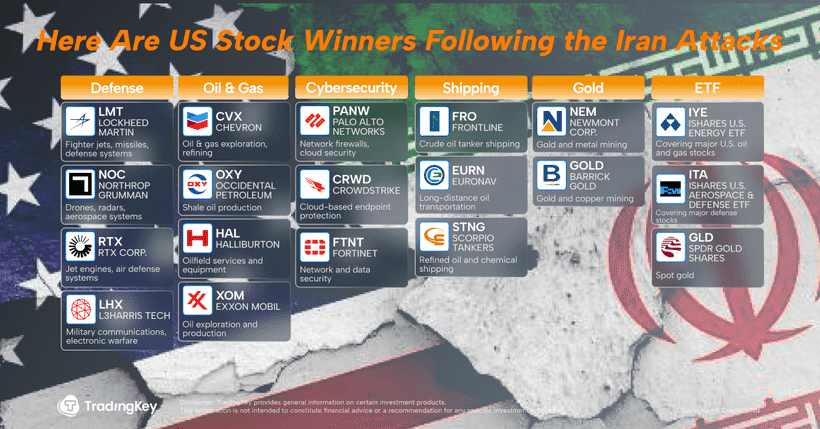
Oil Prices Below $100 Amid US-Iran Conflict: A Market Anomaly? Analysts Warn Catch-Up Rally Is Imminent
TradingKey - As the US-Iran conflict escalates, crude oil prices have surged recently. Brent crude rose by approximately 30% within four days of the conflict's outbreak, reaching the $85 per barrel level. Analysts noted that oil prices have failed to break through the symbolic $100 mark and are even
Middle East Conflict Escalates, Global Stocks and Bonds Fall, Was It Really Caused by One Sentence From Trump?
TradingKey - On Tuesday local time, the escalation of conflict in the Middle East triggered intense global market volatility. Gold (XAUUSD), bonds, and stocks fell in tandem, an unconventional movement that shattered the conventional logic of "buying safe havens during turmoil and trading stocks during stability."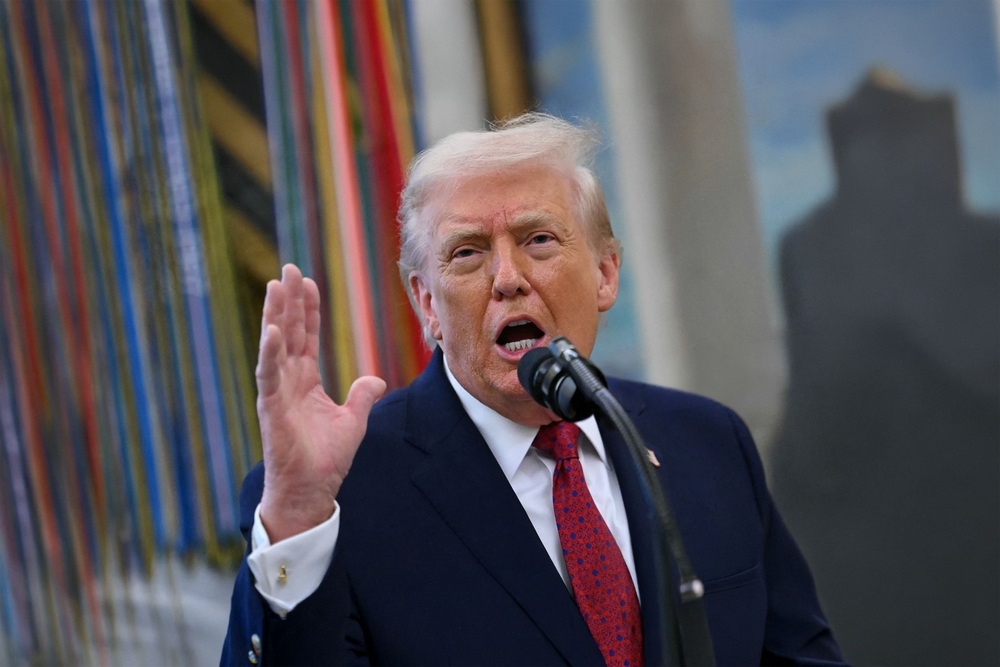
Gold’s $5,000 Breaking Point: Why the Middle East Crisis Isn't Saving the Bulls
As US-Iran tensions continue to escalate, gold prices saw a sudden plunge. Has the metal already peaked?
AGI Approaches: 2026 May Be Artificial Intelligence Turning Point, Musk Warns White-Collar Class Will Bear the Brunt
TradingKey — Have you noticed that the pace of artificial intelligence evolution is exceeding the limits of human intuitive perception? From the debut of ChatGPT to the rapid rise of multimodal AI systems, the development of AI technology has demonstrated a non-linear, exponential acceleration in ju