


AstraZeneca PLC Stock (AZN) Moved Down by 3.02% on Jul 1: What Investors Need To Know



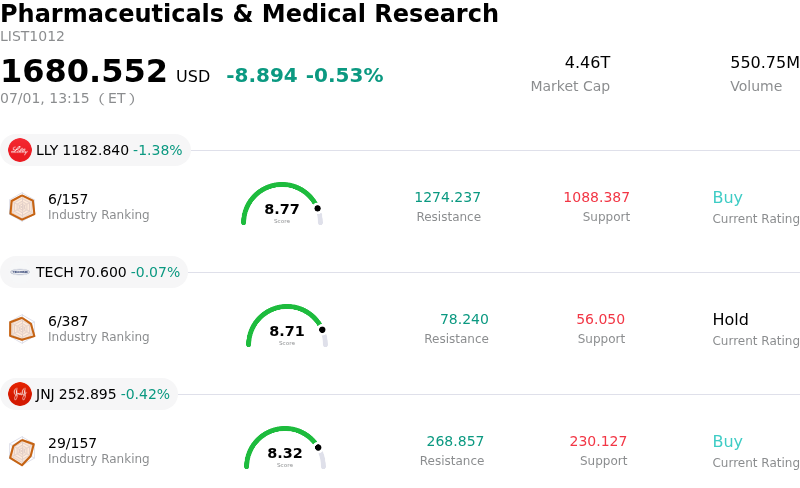
AstraZeneca PLC (AZN) moved down by 3.02%. The Pharmaceuticals & Medical Research sector is down by 0.53%. The company underperformed the industry. Top 3 stocks by turnover in the sector: Eli Lilly and Co (LLY) down 1.38%; Bio-Techne Corp (TECH) down 0.07%; Johnson & Johnson (JNJ) down 0.42%.
What is driving AstraZeneca PLC (AZN)’s stock price down today?
AstraZeneca is experiencing notable downward pressure, driven by a combination of clinical setbacks, shifting sector rotations, and emerging technological competition. These factors have overshadowed recent positive progress in its oncology pipeline, prompting investor caution and contributing to the stock's slide.
A primary driver of the downward movement is recent clinical and regulatory friction. The company disclosed that the CARES Phase III clinical program for anselamimab, an experimental anti-fibril therapy for light chain amyloidosis, failed to meet its primary endpoint in the overall patient population. Because light chain amyloidosis is a rare and difficult-to-treat disease, the trial's failure has cooled expectations for the drug's near-term commercial viability. This setback was compounded by the U.S. Food and Drug Administration extending its review period for AstraZeneca's experimental oral breast cancer therapy, camizestrant. While regulatory extensions are not outright rejections, they delay potential launch timelines, creating friction for investors banking on immediate pipeline catalysts.
Market-wide sector rotation has also played a significant role. With major equity indices hovering near record highs, broader market interest has rotated heavily into cyclical sectors like financials and mining. In a risk-on environment where cyclical stocks capture the majority of capital flows, defensive sectors like pharmaceuticals frequently experience capital outflows. As a result, large-cap healthcare anchors like AstraZeneca face passive selling pressure as institutional investors rebalance away from defensive assets.
Additionally, long-term competitive dynamics are weighing on investor sentiment. The recent launch of Anthropic's Claude Science, an artificial intelligence model specifically optimized for biology and drug development, has introduced a new technological narrative to the pharmaceutical landscape. While AstraZeneca maintains a massive R&D footprint and is actively integrating AI into its diagnostic partnerships, the entry of specialized scientific AI platforms underscores the rapidly changing nature of drug discovery, leading some investors to reassess the premium valuations currently awarded to traditional pharmaceutical giants.
Finally, underlying technical weakness and minor insider selling have further pressured the stock. Investors remain highly sensitive to any disruption in key growth regions, particularly given historic regulatory scrutiny surrounding its China subsidiary. Although AstraZeneca continues to boast a robust oncology pipeline, the convergence of pipeline delays, competitive AI shifts, and defensive-to-cyclical asset rotation has collectively driven the intraday pullback.
Technical Analysis of AstraZeneca PLC (AZN)
Technically, AstraZeneca PLC (AZN) shows a MACD (12,26,9) value of 3.237, indicating a neutral signal. The RSI at 59.378 suggests neutral condition and the Williams %R at 8.641 suggests overbought condition. Please monitor closely.
Fundamental Analysis of AstraZeneca PLC (AZN)
AstraZeneca PLC (AZN) is in the Pharmaceuticals & Medical Research industry. Its latest annual revenue is $58.74B, ranking 8 in the industry. The net profit is $10.22B, ranking 6 in the industry. Company Profile
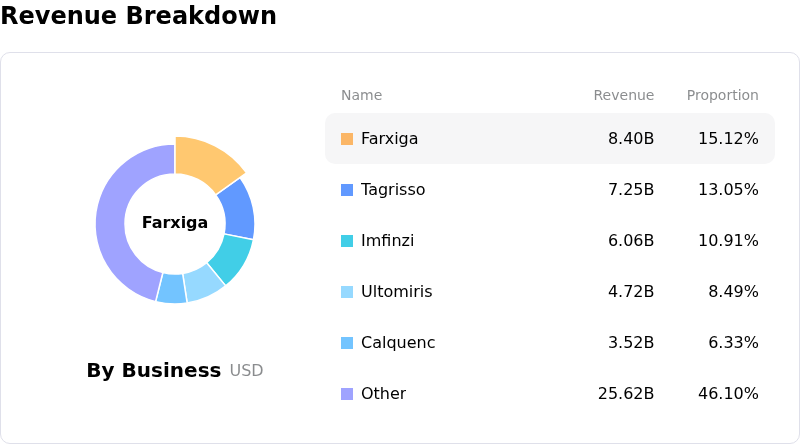
Over the past month, multiple analysts have rated the company as Buy, with an average price target of $232.34, a high of $250.69, and a low of $219.00.
More details about AstraZeneca PLC (AZN)
Company Specific Risks:
- Oncology Pipeline Hurdles and FDA Delays: The FDA's recent decision to delay its regulatory review of camizestrant—following a negative 6-3 advisory committee vote due to concerns over AstraZeneca's Phase 3 trial design—adds significant near-to-mid-term risk for its core oncology franchise.
- Phase III Clinical Failures: The recent failure of the high-profile CARES Phase III clinical programme, which missed its primary predefined endpoint, threatens pipeline valuations and is driving negative shifts in investor sentiment.
- Softening Near-Term Financial Projections: Institutional consensus has grown increasingly cautious ahead of the upcoming earnings release, with consensus EPS estimates revised 8.41% lower over the last 30 days, signaling compounding near-term margin and operational headwinds.
- Concentration & Price Control Exposure: The company's heavy reliance on a select group of blockbuster therapies, coupled with rising R&D costs and intensifying exposure to government-mandated price controls in key markets, threatens to squeeze long-term margins.
This article may include AI-generated content that is human-reviewed, which is for reference and general information purposes only and does not constitute investment advice.
Recommended Articles









Comments (0)
Click the $ button, enter the symbol, and select to link a stock, ETF, or other ticker.