Sterling gets brief respite; energy prices in focus

By Amanda Cooper
LONDON, March 4 (Reuters) - The pound rose for the first time this week on Wednesday, as traders took advantage of a retreat in the dollar, although nerves remained on edge amid uncertainty over the longer-term economic impact of the unfolding conflict in the Middle East.
With investors focused on the U.S.-Israeli war against Iran and the resulting surge in global energy prices, UK markets offered little reaction to finance minister Rachel Reeves' budget update on Tuesday.
Sterling GBP= rose 0.33% to $1.34, lifting off Tuesday's two-month low of $1.3255. It was steady against the euro, which traded at 86.97 pence EURGBP=.
The steep rise in oil and natural gas prices since the end of last week has prompted investors to sell those currencies whose economies are more dependent on energy imports, leaving the likes of the euro, pound and yen under pressure, and offering some support to the likes of the Norwegian crown.
"The dollar has been king during this crisis. However, it is pulling back slightly today, and G10 currencies are clawing back some recent losses. This is likely to be temporary, especially if the oil price remains to the upside," XTB research director Kathleen Brooks said.
At 3%, UK inflation is still the highest among the world's wealthiest nations and risks rising again, given the outsized rise in oil and gas, and the potential for higher costs of imported goods, given that shipping and insurance rates worldwide have also spiked.
RATE CUT EXPECTATIONS RECEDE
Money markets show traders are placing just a 30% chance on a rate cut this month from the Bank of England, down from a near certainty just last week and a mere 25% chance of a second rate cut by the end of this year. At the end of February, traders were broadly expecting two BoE cuts by December.
Reeves acknowledged the scale of the economic risks facing Britain, which is heavily exposed to the inflationary impact of an energy cost surge triggered by war against Iran.
Britain's independent budget forecasters cut their economic growth projection for this year to 1.1% from a previous estimate of 1.4%. Growth was revised up slightly for both of the next two years to 1.6%, but that represented a pace barely half the average before the global financial crisis of 2007-08.
Furthermore, the Office for Budget Responsibility's forecasts were made before the recent turmoil in the Middle East which, the OBR warned, "could have very significant impacts on the global and UK economies".
Related Articles
Here Are US Stock Winners Following the Iran Attacks
Tradingkey - On Tuesday, U.S. equities extended their slide as rising oil prices and the specter of war in Iran rippled through global markets. The Dow Jones Industrial Average at one point plunged more than 1,000 points.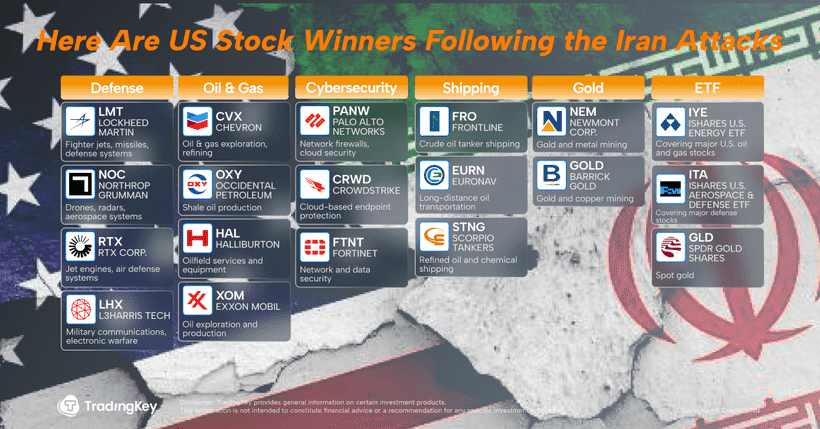
Oil Prices Below $100 Amid US-Iran Conflict: A Market Anomaly? Analysts Warn Catch-Up Rally Is Imminent
TradingKey - As the US-Iran conflict escalates, crude oil prices have surged recently. Brent crude rose by approximately 30% within four days of the conflict's outbreak, reaching the $85 per barrel level. Analysts noted that oil prices have failed to break through the symbolic $100 mark and are even
Middle East Conflict Escalates, Global Stocks and Bonds Fall, Was It Really Caused by One Sentence From Trump?
TradingKey - On Tuesday local time, the escalation of conflict in the Middle East triggered intense global market volatility. Gold (XAUUSD), bonds, and stocks fell in tandem, an unconventional movement that shattered the conventional logic of "buying safe havens during turmoil and trading stocks during stability."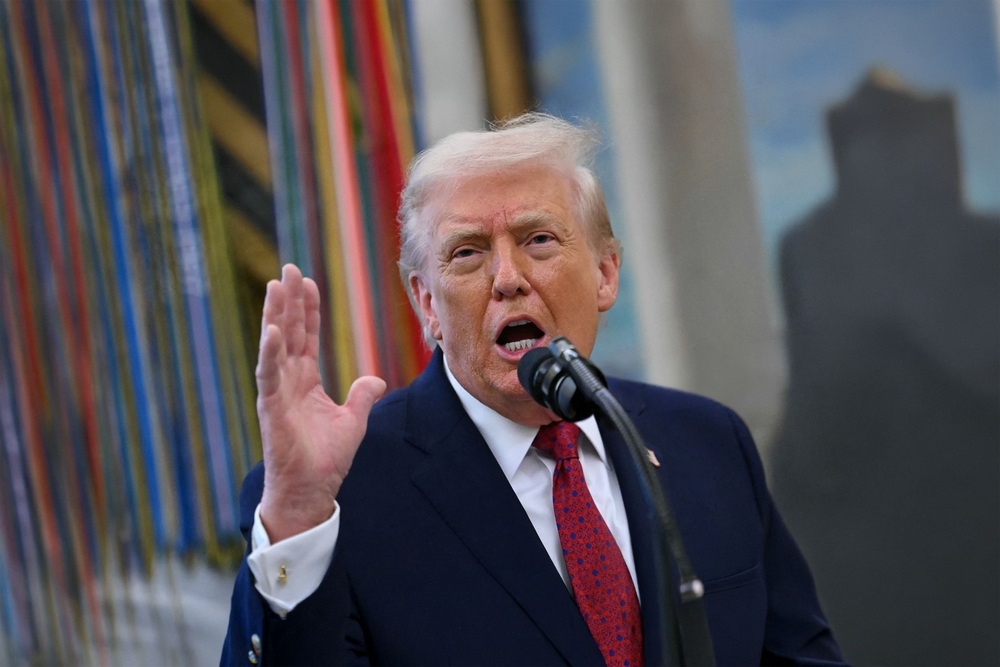
Gold’s $5,000 Breaking Point: Why the Middle East Crisis Isn't Saving the Bulls
As US-Iran tensions continue to escalate, gold prices saw a sudden plunge. Has the metal already peaked?
AGI Approaches: 2026 May Be Artificial Intelligence Turning Point, Musk Warns White-Collar Class Will Bear the Brunt
TradingKey — Have you noticed that the pace of artificial intelligence evolution is exceeding the limits of human intuitive perception? From the debut of ChatGPT to the rapid rise of multimodal AI systems, the development of AI technology has demonstrated a non-linear, exponential acceleration in ju