


Apple Stock Rises 4% to Return to $300. Plans to Purchase Memory Chips Made in Mainland China to Reduce Cost Pressures Brought by Memory Supply Shortages



AI Podcast


As of July 2, Eastern Time, Apple shares rose 4.59% to $307.88. To mitigate surging memory costs—highlighted by an iPhone 18 Pro memory component price spike of 271.79%—Apple is negotiating with Chinese suppliers CXMT and YMTC for chips dedicated to the Chinese market. Additionally, Apple increased its foldable iPhone production target to 10 million units and proactively secured components for the iPhone 18 series. Despite solid demand, UBS notes cooling interest in AI-driven upgrades and maintains a $296 price target, citing overall market weakness and stagnant upgrade cycles.
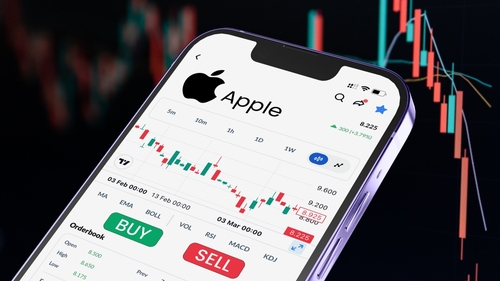
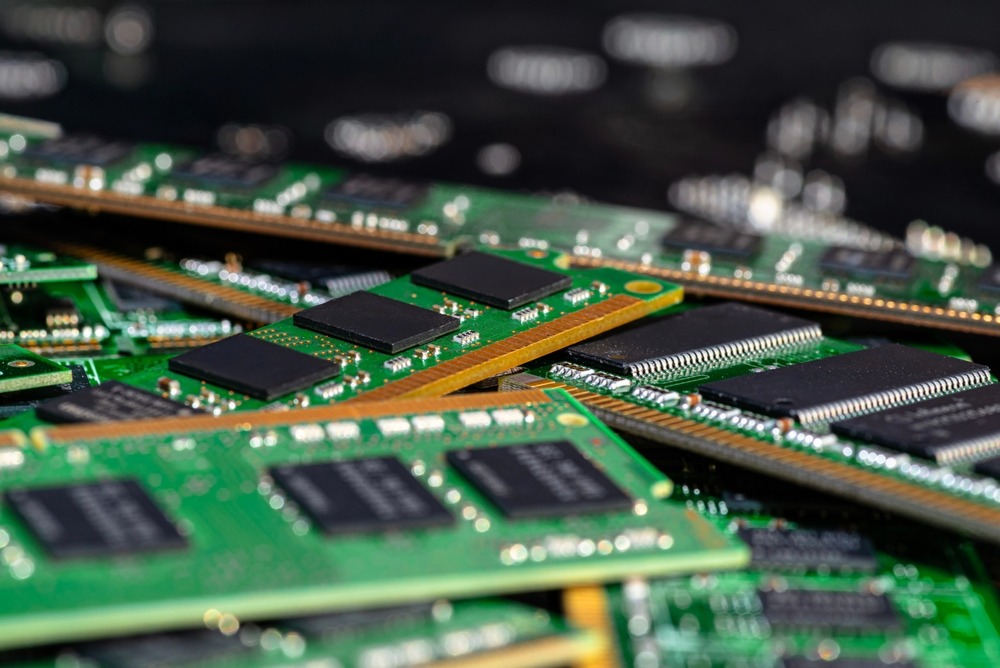
TradingKey - On July 2, Eastern Time, Apple ( AAPL) shares reclaimed the $300 mark, rising 4.59% to trade at $307.88 as of press time. Apple is reportedly in talks with two Chinese memory chip manufacturers, ChangXin Memory Technologies (CXMT) and Yangtze Memory Technologies Corp (YMTC), to procure memory chips for select products sold in the Chinese market, aiming to ease cost pressures stemming from the global tight supply of memory chips.
[Source: TradingView]
Recently, against the backdrop of a global memory shortage, Apple officially announced its largest price hike in recent years, implementing global price increases for MacBooks, iPads, and certain home devices.
For Apple, memory chips are a core component of hardware costs. Market research shows that the memory cost for a single iPhone 18 Pro has soared from $39 in the previous generation to $145, representing a whopping 271.79% increase.
Apple is in talks with two Chinese memory chip manufacturers, ChangXin Memory Technologies (CXMT) and Yangtze Memory Technologies Corp (YMTC), planning to procure their memory chips for select products sold in the Chinese market to mitigate cost pressures brought by the global memory chip supply shortage.
People familiar with the matter revealed that Apple intends to use memory chips supplied by the Chinese manufacturers exclusively for products destined for the Chinese market. Apple had planned to adopt YMTC's chips as early as 2022, but those plans were ultimately shelved.
On the other hand, Apple has raised this year's production preparation target for its first foldable iPhone to approximately 10 million units, up from the previously estimated 7 million to 8 million units.
Meanwhile, the company has secured components for approximately 80 million units of the new iPhone from its supply chain, and has requested suppliers to reserve certain generic components in advance for next year's iPhone 18 series to cope with the ongoing global shortage of memory chips and electronic components.
Notably, UBS stated that the launch of Apple Intelligence has not significantly accelerated the pace of users upgrading their iPhones, with the proportion of users citing AI features as a reason for upgrading showing a decline.
Although purchase intentions for iPhones in the US and European markets remain solid, overall market demand has weakened. UBS maintained its existing iPhone shipment forecasts and kept its target price for Apple unchanged at $296.
This content was translated using AI and reviewed for clarity. It is for informational purposes only.
Recommended Articles






Comments (0)
Click the $ button, enter the symbol, and select to link a stock, ETF, or other ticker.