


United Airlines Q1 2026 Earnings Preview: Fuel Costs Remain High, How This Airline Navigates the “Aviation Winter”?



AI Podcast


United Airlines' upcoming Q1 2026 earnings report is under scrutiny due to downward EPS revisions and a 16.27% stock decline. Surging fuel costs from geopolitical conflicts are a primary concern, prompting UAL to cut capacity and raise fares. Labor costs also present challenges, with ongoing negotiations. The airline plans to reduce capacity by 5% and suspend inefficient routes to navigate high oil prices through 2027. The report will assess UAL's resilience against inflation and its ability to pass costs to consumers amid an "aviation winter."
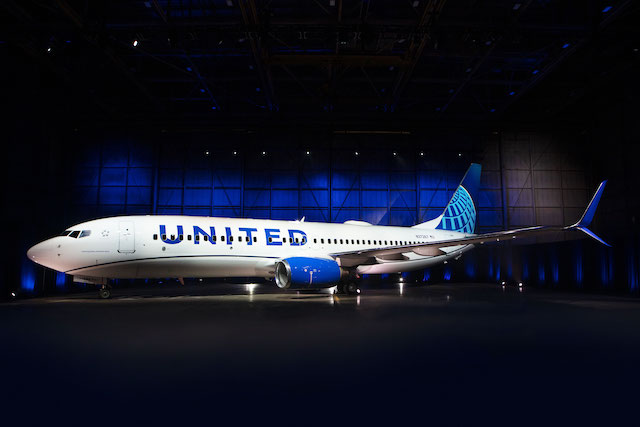
TradingKey - United Airlines ( UAL) will release its first-quarter 2026 earnings report after the U.S. market close next Monday. This, coupled with merger rumors involving American Airlines ( AAL ), has further intensified market focus on United Airlines.
According to the latest FactSet survey, the median EPS estimate for United Airlines in 2026 has been revised downward from $10.68 to $9.93, with a minimum estimate of $6.86. The median price target is $133.5, which implies a 40% upside from the current share price.
As a leading global airline with the world's largest fleet, United Airlines is considered an industry benchmark. Since its fourth-quarter earnings report last year, United Airlines has seen a cumulative decline of 16.27%. The market expects to gain insight from the upcoming report on how the company is navigating the 'aviation winter' and its future outlook.
Recently, the escalation of geopolitical conflicts in the Middle East has driven up crude oil prices, causing the aviation industry to face pressure from surging fuel costs. To address these cost pressures, United Airlines recently stated it would cut capacity and raise fares by 20%, and announced on April 3 that it would increase checked baggage fees by $10 to pass on the rising costs.
2025 Earnings Review: Fuel Costs to Be the Key Focus Ahead
Among United Airlines' 2025 operating expenses, the primary expenditure is salaries and related costs, which reached $17.647 billion, accounting for 32.46% of total operating expenses. The second-largest expenditure is aircraft fuel, recorded at $11.396 billion, or 20.97% of total operating expenses; together, these two categories account for 53.43% of expenditures.

Furthermore, expenses such as depreciation and maintenance typically change in a stable, linear fashion, whereas aircraft fuel costs fluctuate based on market prices. It is reported that the three major U.S. carriers do not hedge against crude oil risks, and these global airlines largely terminated their crude oil hedging programs in the decade following 9/11.
Morgan Stanley further issued a research note stating that it has revised down earnings forecasts for the U.S. airline sector across the board, citing the expected shock of surging jet fuel prices due to conflicts in the Middle East. The firm indicated that first-quarter results are trending toward the lower end of initial guidance, with the second quarter expected to face significant headwinds (assuming a benchmark jet fuel price of approximately $4 per gallon, the initial fuel shock after shipping costs is partially offset by a price recovery in the remaining approximately 60% of summer bookings).
Labor costs also present challenges, as collective bargaining agreements for several employee groups, including flight attendants who have not received a raise in five years, have yet to be finalized. The company has publicly expressed confidence in reaching agreements, noting that its margin guidance already accounts for anticipated labor cost increases, though it remains to be seen whether employees will accept UAL's proposed raises.
On the upside, United Airlines has stated that if fuel costs remain sustained at high levels, the airline would prefer to sacrifice a portion of demand rather than operate loss-making routes. The company added that to navigate high oil prices that could last through the end of 2027, it plans to cut capacity by about 5% in the second and third quarters and temporarily suspend inefficient routes such as Dubai, focusing resources on high-profit markets instead.
Final Thoughts
Historically, the aviation industry has been one of the sectors hit earliest and most severely by geopolitical conflicts. Although tensions in the Middle East have eased recently, the risk of failed negotiations remains high. According to media reports citing two Iranian sources, the direction of U.S.-Iran negotiations has undergone a substantive shift, with both sides abandoning the goal of a comprehensive peace agreement within the current ceasefire window to seek a temporary memorandum instead.
During this period, crude oil prices have retraced from their highs, but the price baseline remains significantly higher than the average in the fourth quarter of last year. Furthermore, U.S. guidance suggests that insufficient global oil supply stability makes it difficult for oil prices to decline in the short term.

Given these factors, the focus of this earnings report is no longer on whether United Airlines can maintain high growth, but rather on whether it can remain resilient amidst "crude oil inflation, surging costs, and declining profits." Furthermore, this report serves to verify whether the company can successfully pass high fuel costs to consumers and reduce non-essential expenses through various means to survive longer in an "aviation winter."
This content was translated using AI and reviewed for clarity. It is for informational purposes only.
Recommended Articles








Comments (0)
Click the $ button, enter the symbol, and select to link a stock, ETF, or other ticker.