


Nvidia-Backed Arm and MercadoLibre: A Hedge Fund’s 430% and 150% Upside Cases



AI Podcast


Hedge fund manager Philippe Laffont identifies Arm (ARM) and MercadoLibre (MELI) as key growth investments. Arm, benefiting from AI infrastructure demand and Nvidia's backing, is projected to reach $787 billion by 2030, despite recent margin declines and high valuation. MercadoLibre, Latin America's e-commerce leader, is expected to grow to $300 billion by 2030 with strong fintech and logistics operations, offering a more attractive risk/reward profile at a lower P/E multiple. Investors should consider their risk tolerance and entry points, especially for Arm's price volatility.
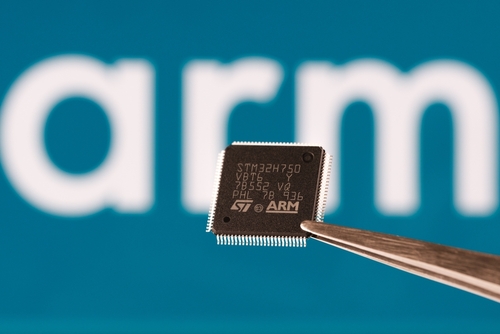
TradingKey - According to a leading hedge fund manager, Nvidia-backed Arm(ARM) and MercadoLibre(MELI) represent two contrasting investment growth stories: the first leverages the AI infrastructure boom thanks to Nvidia's implicit approval, while the second is the number one player in Latin American e‑commerce and both could deliver five years' worth of returns that could result in multi-million dollars on a small initial investment.
Just last week, Philippe Laffont, founder of Coatue Management — who has outperformed the S&P 500 by 120 basis points in the last three years, provided updates to his Fantastic 40 growth index and concluded that Arm Holdings and MercadoLibre represent current buy opportunities that investors can expect to be worth 430% and 150%, respectively, by 2030.
Background: Coatue’s Bold Scorecard
The index for Coatue Capital’s portfolio of companies was last updated in June 2025. Each of the companies have been given an assigned market value target by Coatue. For example, Arm, which is currently valued at $148 billion, is projected to be worth $787 billion by 2030 and will have generated approximately 40% annualised returns over that period. Mercado Libre is valued at $120 billion now and is expected to reach a market capitalisation of $300 billion by 2030, generating approximately 20% returns annually. These projections carry weight due to the pedigree of Laffont; however, they will ultimately depend on the long-term viability of their respective companies.
Core Logic 1: Arm’s Ai‑driven Data‑center Shift, With Nvidia as a Key Backer
For years, Arm has been the unsung hero of mobile development because of their energy efficiency. With Nvidia being a major funder of this change, they have developed all of their new data center chip infrastructure powered by Arm's Innovation. Over the past four years, there has been an exponential growth (14x) of customers using Arm based chips for their servers - 70,000+. This growth has been largely driven by the support of many enterprises using their technology as well as the large investment made by Nasdaq (Nvidia has invested $178MM in Arm), who has developed their Grace chip to provide Arm chips as the building blocks for their next generation rack-scale systems (everything that will replace the current legacy infrastructure). In fact, Amazon, Google, and Microsoft have designed their own AWS based chips that are also based on the latest Arm architecture.
Core Logic 2: Mercadolibre – Following the Amazon Playbook in a Under‑penetrated Region
According to the most recent figures, e-commerce in the U.S. represents over 30% of all retail in the U.S. compared to Latin America only being at approximately 15%. MercadoLibre continues to be the largest online retailer with a 28% market share in the region with its market share value increasing to 30% by 2026 forecasted. MercadoLibre has also created an ecosystem to support its business similar to Amazon’s including creating Latin America’s fastest and most comprehensive logistics network, the largest online fintech platform (Mercado Pago) and the highest-growth ad tech company in the world. MercadoLibre reported second-quarter financials showing 34% increase in revenues to $6.8 billion, with fintech growing by 40% and commerce growing by 29%. Despite a very slight decline in net income primarily due to foreign currency exchange rates and capital expenditures for growth opportunities, the company remains in a strong position for long-term compound growth.
Core Logic 3: Growth Expectations and the Valuation Trade‑off
Wall Street analysts are estimating Arm to have adjusted earnings growth rate of 23% through fiscal year end 2027, giving Arm’s current 87x P/E multiple an enormous look despite being on a historical basis for beating analyst estimates (over the last 6 consecutive quarters, Arm has beaten analyst estimates by an average of 11%). By contrast, MercadoLibre is trading at a much less expensive 58x P/E multiple and expects to experience earnings growth rates of approximately 32% per annum for the next three years, which is an appropriate price point for its continued momentum. This discrepancy has to do with Arm having a significantly larger strategic optionality compared to that of MercadoLibre as every AI data center has potential to be eligible to run on Arm.
The Risks
The latest quarter from Arm revealed contrasting trends. For example, 1B in total revenue was gained (+12% on revenue) while their operating margin declined -8%. Additionally, Arm's Non-GAAP net income for the quarter decreased -13%. Partners should keep in mind that there are not many areas where partnering with Arm will deliver positive value given their current price to sales valuation of 87 times.
Mercado Libre has also been historically volatile; in the past 12 months, MLBT stock has plunged more than 20% on two occasions due in part to challenging macroeconomic conditions in Latin America. The company's business results were further materially impacted by currency fluctuations and political risk in Latin America. Despite these headwinds, e-commerce penetration in Latin America remains considerably less than in the United States (15% to 30%).
How to Invest Now
The best strategy for investing in Arm is starting with a small position since both its connection to Nvidia and its increase in share of the data center market will continue to be strong catalysts for growth but the price demands patience. If Arm falls in price, it will create a more appropriate entry point to establish either a full position or to add significantly to a developing position.
On the other hand, MercadoLibre is much easier to evaluate on a risk/reward basis from current levels as its 58X multiple is supported by an expected 32% growth rate in earnings along with an established ecosystem moat created by its logistics, payments and advertising businesses. Those willing to accept risk associated with emerging markets can take a meaningful position today. Both companies are viable candidates for growth-oriented investors; however, take into account both the size and timing of the investment in accordance with the individual investor's respective level of risk.
Recommended Articles







Comments (0)
Click the $ button, enter the symbol, and select to link a stock, ETF, or other ticker.