


Novo Nordisk Shares Plunge, Eli Lilly Zepbound Multi-Dose Approved, Weight-Loss Drug Throne Changing Hands?



AI Podcast


Eli Lilly's stock rose 4.86% after its Zepbound four-dose KwikPen received FDA approval, strengthening its market position in GLP-1 drugs. This multi-dose device enhances patient convenience and potentially lowers costs, shifting competition towards supply capacity and commercial efficiency. Competitor Novo Nordisk's stock fell over 16% amid concerns about its production capacity, pricing, and innovation pipeline. The weight-loss drug market is transitioning from explosive growth to structural expansion, with insurance coverage, capacity, and formulation development being key variables.
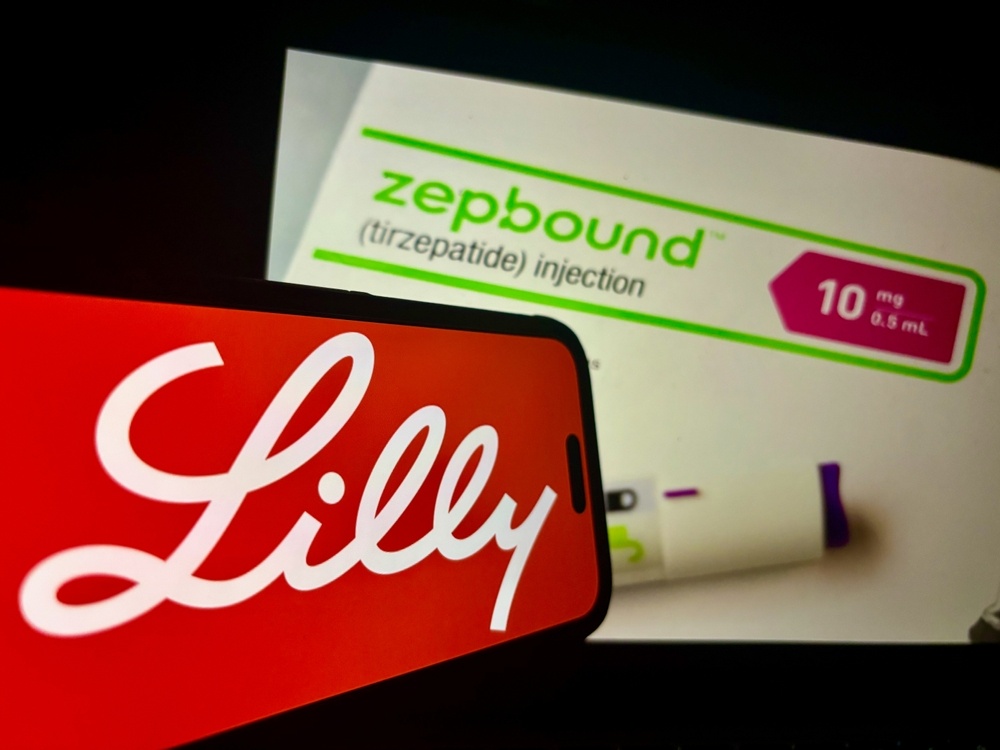
TradingKey - As the global weight-loss drug market continues to heat up, Eli Lilly (LLY) announced that its Zepbound four-dose KwikPen device received U.S. FDA approval for market launch. Following the announcement, the company's stock rose 4.86% in a single day, further strengthening market expectations of its leadership position in the GLP-1 weight-loss space.
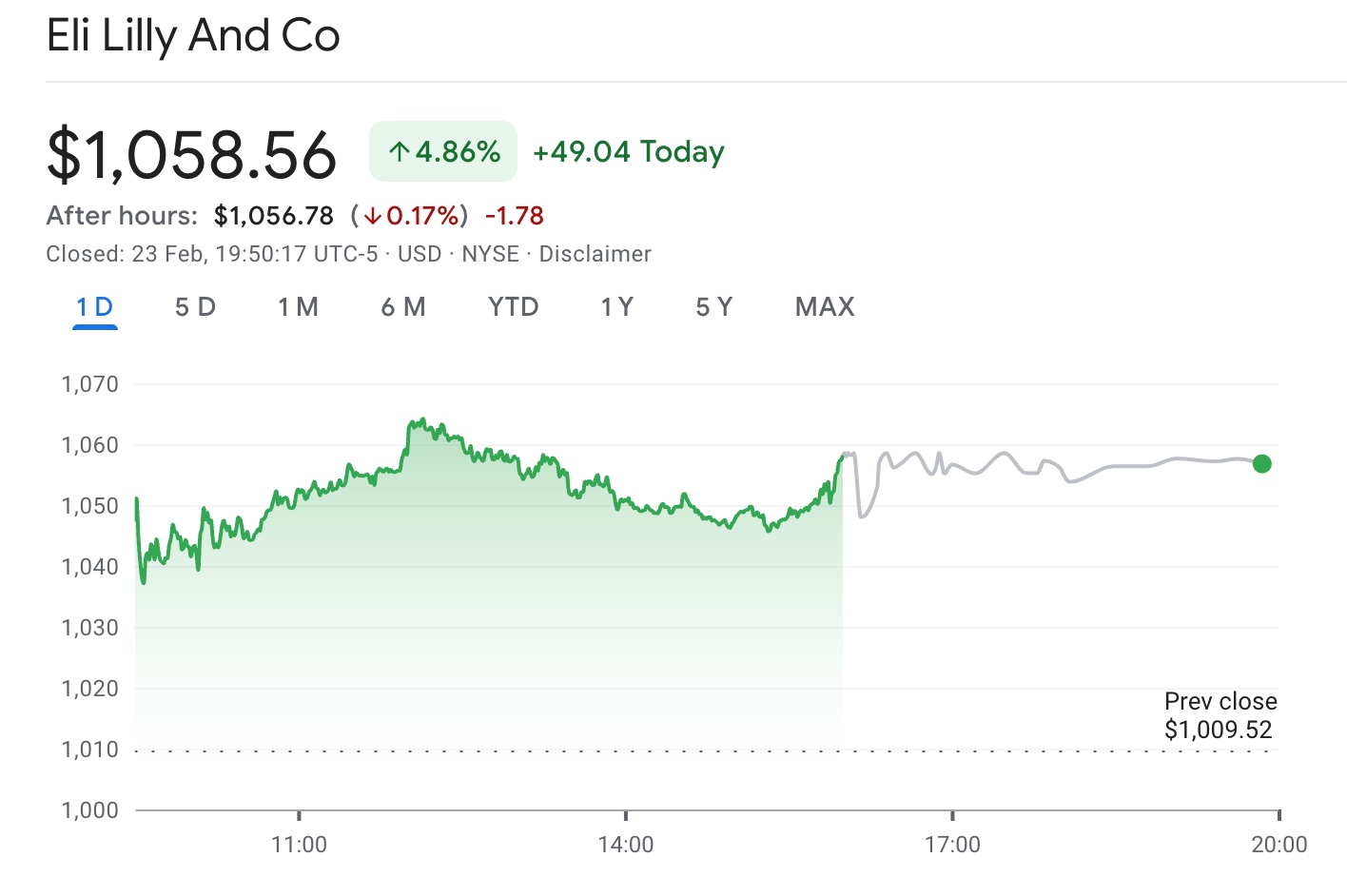
[Stock price trend of Eli Lilly following the announcement; Source: Google Finance]
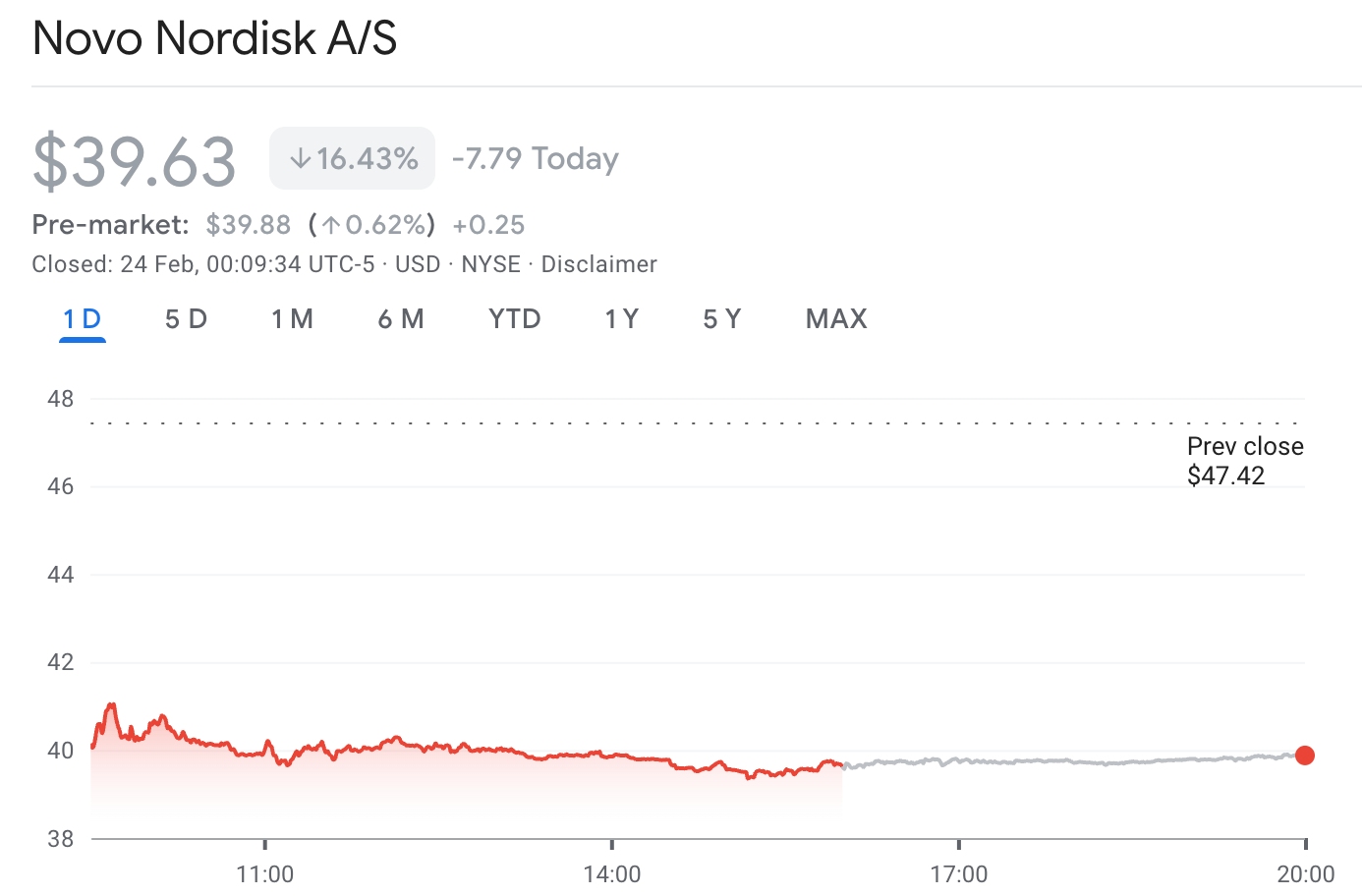
[Stock price trend of Novo Nordisk following LLY announcement; Source: Google Finance]
Meanwhile, competitor Novo Nordisk (NVO) saw its share price plunge by more than 16%, as the market paid close attention to the maneuvering between the two giants regarding production capacity, pricing, and distribution channels.
The Competitive Logic Behind Multi-Dose Devices
The core significance of the Zepbound KwikPen lies in the fact that multi-dose devices improve patient convenience and may reduce unit packaging and logistics costs, thereby improving profit structures. Bloomberg previously noted that the true core of competition for GLP-1 drugs has gradually shifted from "efficacy differences" to "supply capacity and commercial efficiency."
Eli Lilly has acted quickly in expanding weight-loss indications, establishing physician channels, and developing out-of-pocket market strategies. Currently, at a stage where the proportion of out-of-pocket payers in the U.S. remains high, pricing flexibility and payment negotiation capabilities will determine short-term market share trends. The launch of the Zepbound multi-dose device will help further expand the user base and increase the repurchase rate.
Based on stock performance, Eli Lilly has become one of the most trend-setting heavyweight stocks in the U.S. healthcare sector. Its rise is not driven by sentiment but is the result of continuous upward revisions to its earnings models.
Novo Nordisk: Temporary Pressure or Structural Challenge?
In contrast, although Novo Nordisk's core products Wegovy and Ozempic continue to maintain strong sales, its stock price has experienced several significant pullbacks, even halving at points. Market concerns are primarily concentrated in three areas: the pace of capacity expansion, price competition risks, and the level of marginal surprise from the subsequent innovation pipeline.
The weight-loss drug market is transitioning from "supply shortage" to "competitive pricing." Once supply bottlenecks ease, the market focus will shift to price elasticity and insurance coverage. If Eli Lilly achieves higher commercial efficiency through formulation innovation and scale advantages, Novo Nordisk may face sustained valuation compression pressure.
Industry Trends: Moving from "Explosive Growth" to "Structural Expansion"
The long-term logic of the weight-loss drug market remains unchanged. Rising obesity rates, increasing demand for chronic disease management, and the healthcare system's heightened focus on metabolic diseases form a stable demand foundation.
Bloomberg predicts that the market size for GLP-1 related drugs could reach the hundreds of billions of dollars over the next decade.
Key variables at this stage include three points: the progress of insurance coverage expansion, the pace of global capacity expansion, and the development speed of next-generation oral or long-acting formulations. Both Eli Lilly and Novo Nordisk are accelerating their presence across these dimensions.
From a capital markets perspective, the divergence in stock prices between the two companies does not mean that the industry's prosperity has peaked; rather, it likely reflects the market's dynamic pricing of the competitive landscape. Changes in market share between leaders often lead to valuation fluctuations but do not necessarily change the overall growth trajectory of the sector.
This content was translated using AI and reviewed for clarity. It is for informational purposes only.
Recommended Articles





Comments (0)
Click the $ button, enter the symbol, and select to link a stock, ETF, or other ticker.