


SpaceX Plots Dual-Track Merger: Tesla or xAI? IPO Countdown Triggers Capital Speculation



AI Podcast


SpaceX is exploring a potential merger with xAI, aiming for a mega-IPO later this year. This integration could consolidate SpaceX's rocket and Starlink businesses, X, and xAI's Grok chatbot into one entity. The move seeks to leverage computing power and data advantages amid the AI race, potentially boosting SpaceX's valuation, which is currently $800 billion. Tesla has agreed to invest $2 billion in xAI, valued at $230 billion. While no final agreement is set, two new Nevada entities have been registered to advance the deal, with xAI shares possibly exchanged for SpaceX stock.
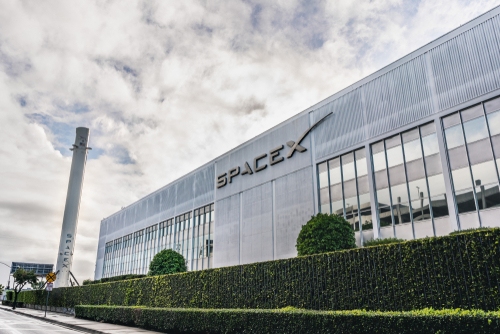
TradingKey - On Thursday ET, SpaceX is simultaneously advancing two major integrations: evaluating a potential merger with Tesla (TSLA) and accelerating negotiations with xAI—a move directly targeting a mega-IPO later this year. During U.S. trading hours on Thursday, Tesla shares reversed gains to drop over 3%; following the news, Tesla's after-hours shares at one point rose 4.5%.
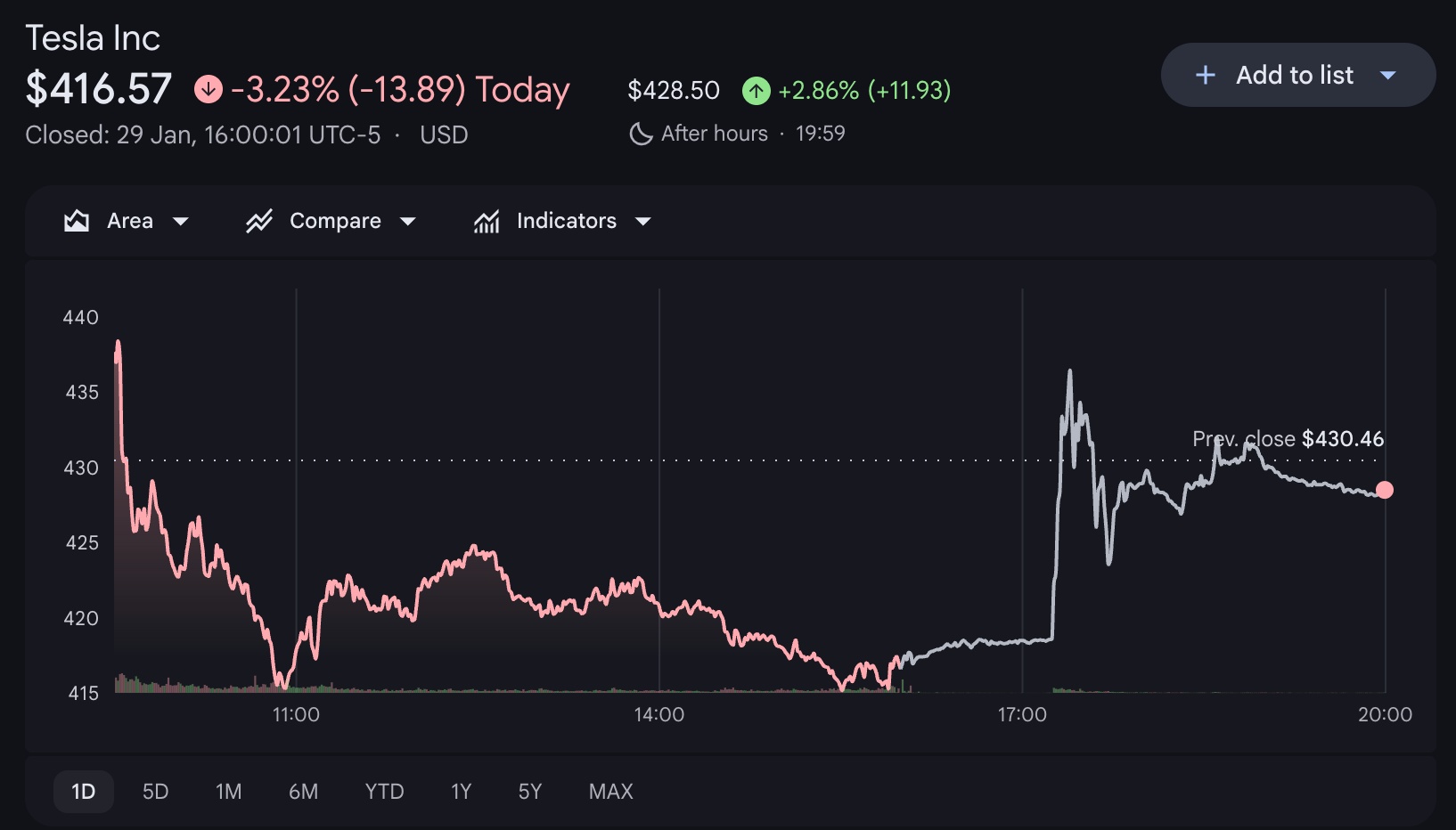
[Tesla's after-hours stock price movement, Source: Google Finance]
Bloomberg reported that SpaceX is weighing two paths: establishing a deep tie-up with Tesla or completing an integration with Musk’s AI firm, xAI. Reuters subsequently confirmed that SpaceX and xAI have entered substantive negotiations, seeking to complete a structural reorganization before a SpaceX IPO.
Reuters reported that Musk is evaluating the possibility of merging SpaceX with his artificial intelligence company, xAI. If the deal is finalized, SpaceX’s rocket business, the Starlink satellite network, the social media platform X, and the Grok AI chatbot would be consolidated into a single corporate structure, which would bolster the company's IPO valuation.
Amid the intensifying global AI race, where computing power and data have become core production factors, consolidating data centers, communication networks, and launch capabilities into a single system could provide unique long-term advantages for his AI roadmap. Additionally, the integration is expected to improve Musk’s corporate management efficiency.
SpaceX is currently the world’s most valuable private company. Based on a recent internal share sale, its valuation has reached $800 billion, and some market participants expect that figure to potentially surpass $1 trillion or even reach $1.5 trillion.
Earlier this month, xAI raised $20 billion in an oversubscribed Series E funding round, exceeding its $15 billion target and reaching a valuation of $230 billion. Tesla said Wednesday it agreed to invest roughly $2 billion in xAI; if the SpaceX-xAI integration succeeds, it would further expand SpaceX's valuation potential.
On the underwriting front, Bank of America, Goldman Sachs, JPMorgan Chase, and Morgan Stanley are seen as the leading investment bank candidates; meanwhile, Robinhood is also actively vying for a role in this high-profile listing.
Founded in 2002, SpaceX completely disrupted the global space industry’s cost structure with its reusable Falcon series rockets and laid the foundation for the rapid deployment of Starlink. Today, Starlink has grown into a global space broadband network comprising thousands of satellites, becoming one of SpaceX’s most visionary long-term assets.
Reuters reported that under the proposed merger, xAI shares would be exchanged for SpaceX stock. To advance the deal, parties have established two new entities in Nevada—corporate filings show both were registered on January 21. One entity lists SpaceX and its CFO Bret Johnsen as managing members, while the other lists Johnsen as the sole executive.
People familiar with the matter said that as part of the transaction, some xAI executives may have the option to settle in cash rather than SpaceX stock. However, no final agreement has been signed, and the specific timeline and structure of the deal remain uncertain. Key details such as valuation, core drivers, and potential closing dates have not yet been disclosed.
In fact, Musk’s previous remarks also appeared to signal a merger between SpaceX and xAI.
Last week in Davos, Switzerland, Musk stated: "Space will become the lowest-cost place to deploy AI; this goal will be achieved within two years, three at the latest."
Looking back over the last decade, this is not the first time Musk has consolidated the companies he controls. In 2025, he folded the social media platform X into xAI through a share swap, granting the AI startup access to the platform's data and distribution channels.
Earlier in 2016, he used Tesla stock to acquire his solar company, SolarCity, merging it into Tesla as the Tesla Energy division.
This content was translated using AI and reviewed for clarity. It is for informational purposes only.
Recommended Articles



Comments (0)
Click the $ button, enter the symbol, and select to link a stock, ETF, or other ticker.