


U.S. Consumers Downshift: Dollar Stores Boom While Big Retailers Falter, With Black Friday Showing Weakness



AI Podcast


Recent U.S. retail performance reveals a "K-shaped divergence," with dollar stores like Dollar General and Dollar Tree showing robust growth as higher-income households increasingly shop there. This trend, evident even in record online Black Friday sales, indicates consumers are trading down due to inflation and tariffs, not increased enthusiasm. Traditional retailers like Target and Home Depot face challenges and have lowered profit guidance. While aggregate sales figures remain high, real consumer spending is subdued, highlighting a divide where affluent consumers spend freely while lower-income individuals face hardship. Walmart also benefits from its affordable pricing strategy.

TradingKey - While capital markets have lauded robust U.S. economic growth and resilient consumer activity in recent years, the creeping impact of tariff policies on households now highlights a stark "K-shaped divergence" in retail performance. Dollar stores are gaining traction, challenging traditional large-scale retailers' growth, and even record online Black Friday sales hint at a trend of consumer down-trading.
The recently concluded Black Friday shopping holiday, America's busiest retail day of the year, delivered record sales figures.
According to Adobe Analytics data, U.S. online spending reached a record $44.2 billion between November 28 and December 1. On Cyber Monday, typically the busiest online shopping day, spending rose 6.3% year-over-year, consistent with single-digit annual growth trends seen over the past five years.
However, these record-breaking spending figures did not signal a consumer "shopping frenzy." Instead, they revealed a cautious consumer attitude, characterized by lower growth in real consumer spending, a trade-off between sales volume and product prices, and a "K-shaped divergence" across income brackets.
This divergence implies that the affluent grow wealthier while the less fortunate face increasing hardship.
Regarding the 4.1% year-over-year increase in U.S. retail sales on Black Friday, as reported by Mastercard SpendingPulse, The Pinpoint Press noted that factoring in inflation of approximately 3%, real consumer spending grew by only 1%, which is not a substantial increase.
While sales hit records, this might be a "phantom" gain. Consumer research firm Coresight and consulting firm Accenture both stated that the growth in holiday shopping sales did not reflect increased consumer enthusiasm, but rather higher product costs driven by factors such as tariffs.
Consumer expert Claudia Lombana further pointed out that consumers bought fewer items this holiday season, but at higher average prices.
Executives at retailer Target indicated that consumer sentiment has fallen to a three-year low, with the public concerned about employment, affordability, and tariffs.
One clear sign is that retailers this holiday season, including Walmart and Target, intentionally extended promotional activities and employed clearer, more detailed language for discounts than ever before, attempting to maximize sales volume through aggressive pricing.
Consumer intelligence firm NielsenIQ also noted that some retailers extended Black Friday discounts to categories not typically offered, such as household essentials.
The most critical consumer dynamic, however, is the growing evidence of a profound "K-shaped" shift in consumer structure, where high-income consumers spend freely while price-sensitive lower-income individuals "tighten their belts."
Furthermore, retail observers noted that Amazon offered deeper discounts than usual on high-priced tech products like headphones and computers, suggesting even affluent consumers are becoming more price-conscious.
Beyond Black Friday, the "K-shaped divergence" trend is even more apparent in retail earnings. Walmart, which has gained market share amid consumer headwinds due to its affordable pricing, previously reported better-than-expectedthird-quarter fiscal year 2026 earnings. Rising grocery prices driven by high inflation have prompted more high-income customers to seek better value at Walmart, with the company observing incremental consumer inflows across all income groups.
This week, America's largest dollar store chain, Dollar General, and discount retailer Dollar Tree reported third-quarter same-store sales growth of 2.5% and 4.2% year-over-year, respectively.
Executives at Dollar General, which operates 21,000 stores nationwide and generated 85% of its sales last quarter from items priced at $2 or less, stated that higher-income households are increasingly shopping at Dollar General, while lower-income families rely on the discount chain more than ever. The company plans aggressive expansion next year, opening 450 new stores.
Dollar Tree similarly remains optimistic about its competitive edge amidst economic headwinds, raising its fiscal year 2025 earnings per share guidance from $5.32-$5.72 to a range of $5.60-$5.80. EMarketer noted that Dollar Tree is benefiting from the challenging macroeconomic environment as value-conscious consumers prioritize affordability.
In stark contrast, consumer reluctance to undertake home improvement projects forced Home Depot to cut its full-year profit guidance. Target, which focuses on discretionary sales, also lowered its full-year outlook after three consecutive quarters of declining same-store sales.
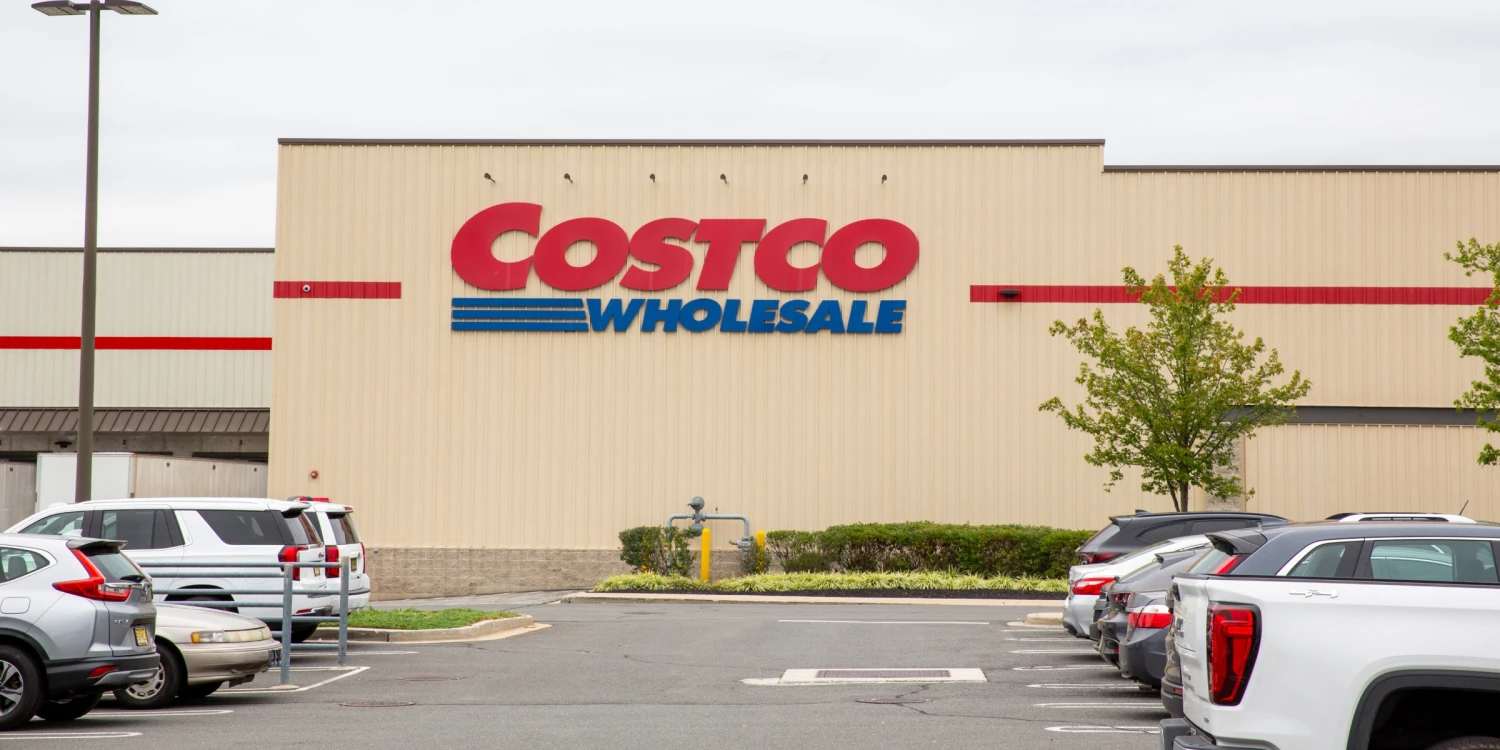
Against a backdrop of increasingly fragile consumer conditions, investors have become critical of traditional retailers. Macy's, despite exceeding sales expectations and raising its annual guidance,was spurned by equity investors following warnings about "more discerning consumers." Even Costco's better-than-expected comparable sales growth of 6.4% provided no solace to its stock.
As of writing, Walmart's stock has risen 27% in 2025, Dollar General is up 65%, Dollar Tree gained 55%, and Macy's climbed 31%. In contrast, Costco's stock has fallen 2%, and Target's is down 32%.
This content was translated using AI and reviewed for clarity. It is for informational purposes only.
Recommended Articles









Comments (0)
Click the $ button, enter the symbol, and select to link a stock, ETF, or other ticker.