


U.S.-Iran Extreme Tug-of-War; Asia-Pacific Stocks Mixed; Japan, South Korea Stocks Hit New Highs Again



AI Podcast


US stock index futures rose following President Trump's extension of a ceasefire agreement with Iran. Asia-Pacific markets showed mixed performance; Japan's Nikkei 225 closed up 0.4% and South Korea's KOSPI reached new highs, driven by tech stocks. Japanese exports saw accelerated growth in March, fueled by semiconductor demand. South Korea experienced a record decline in foreign currency deposits as a weakening won prompted conversions. Crude oil futures climbed amid fluctuating US-Iran tensions. Despite positive sentiment from the ceasefire news, the shipping blockade in the Strait of Hormuz persists, indicating ongoing risks.
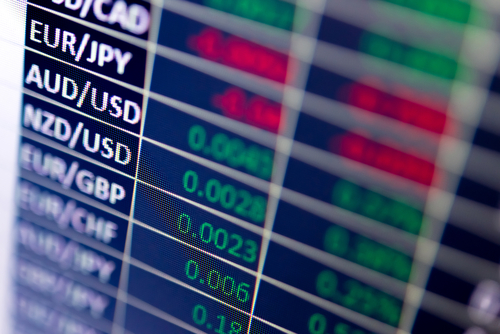
TradingKey - On April 22, amid high-stakes brinkmanship between the U.S. and Iran, U.S. stock index futures rose after Trump extended a ceasefire agreement, while Asia-Pacific equity markets saw mixed performance and Japanese and South Korean stocks reached new highs.
The Nikkei 225 Index opened lower but trended upward in the morning before gains narrowed in the afternoon, closing up 0.4% at 59,585.86 points, after hitting a recent intraday high of 59,708.21 points. Sector-wise, information and communications, non-ferrous metals, and electrical equipment were among the top gainers, while real estate, marine products/agriculture/forestry, and wholesale sectors led the declines.
Among heavyweight stocks, SoftBank rose 8.47%, Kioxia gained 6.29%, and Advantest climbed 2.57%; on the downside, Hitachi fell 2.99%, Fast Retailing dropped 2.77%, and Toyota Motor declined 2.71%.
On the news front, semiconductors and electronic components drove a better-than-expected recovery in Japanese exports. Data released Wednesday by Japan's Ministry of Finance showed that export growth accelerated in March, fueled by recovering demand and robust shipments of semiconductors and electronic parts. Total exports in March rose 11.7% year-on-year, surpassing the revised 4% growth in February and exceeding the median analyst forecast of 11%; imports grew 10.9%, up from 10.3% the previous month, while the unadjusted trade surplus widened to 667 billion yen (approximately $4.2 billion).

South Korea's KOSPI Index extended its recent upward trend, closing up 0.46% or 29.46 points at 6,417.93 points, after reaching an all-time intraday high of 6,423.29 points and firmly holding above the 6,400-point psychological level.
In March, South Korea's foreign currency deposits saw a record decline as a weakening won prompted companies to convert their holdings into the local currency. Data released by the Bank of Korea on Wednesday showed that foreign currency deposits held by residents—including local companies, foreigners residing in Korea for over six months, and overseas companies operating in the country—fell by $15.4 billion from the previous month to $102.2 billion at the end of March. The decline was primarily driven by corporate accounts.
The Bank of Korea stated that as the won's exchange rate fell from approximately 1,440 won per dollar in late February to about 1,530 won per dollar by the end of March, companies increased conversions of foreign currencies into won. Overseas investments and tax settlements also contributed to capital outflows. U.S. dollar deposits saw the largest drop, decreasing by $10.4 billion, while euro and yen deposits also declined.
Geopolitical tensions between the U.S. and Iran fluctuated, as Iran refused to attend a second round of bilateral talks last night. The Iranian side believes that the U.S. is obstructing any substantive agreement and that participating in negotiations is a waste of time.
Consequently, WTI crude futures climbed back above the $90 level last night, rising 2.8%, while Brent crude briefly surpassed $100 before closing at $98.48. All three major U.S. stock indices declined, with the Nasdaq falling 0.59%, the S&P 500 dropping 0.63%, and the Dow Jones Industrial Average losing 0.59%.
Later, U.S. President Donald Trump stated that given the "severe divisions" within the Iranian government, the U.S. had decided to extend the ceasefire; Iranian media subsequently reported receiving signals that the U.S. is prepared to lift the blockade. These factors boosted market sentiment, lifting U.S. stock futures.
However, as the market continued to digest the U.S.-Iran conflict, Asia-Pacific markets opened lower across the board before showing divergent performance. Later, as markets priced in the dissipation of tail risks, Japanese and South Korean stocks hit new highs, with tech stocks remaining the primary choice for bulls. Nevertheless, it is important to note that the shipping blockade in the Strait of Hormuz remains in place, and substantial risks persist.
This content was translated using AI and reviewed for clarity. It is for informational purposes only.
Recommended Articles








Comments (0)
Click the $ button, enter the symbol, and select to link a stock, ETF, or other ticker.