


Trump Camp No Longer Insists on Rate Cuts, White House Rarely Chooses to Side With Fed.



AI Podcast


U.S. Treasury Secretary Scott Bessent advised the Federal Reserve to adopt a "wait and see" approach to interest rates, citing rising oil prices and the war in Iran. This contrasts with previous pressure from the Trump camp for rate cuts. Bessent believes the Fed's current stance is appropriate, monitoring the geopolitical impact on energy markets and inflation, which saw its largest U.S. oil price gain since 2005 and tripled the March inflation rate from February. He expressed confidence that these price hikes would not significantly impact inflation expectations. The administration may be viewing the Middle East conflict as a strategic move for long-term stability. Market sentiment suggests a potential shift towards recognizing the Fed's independence.
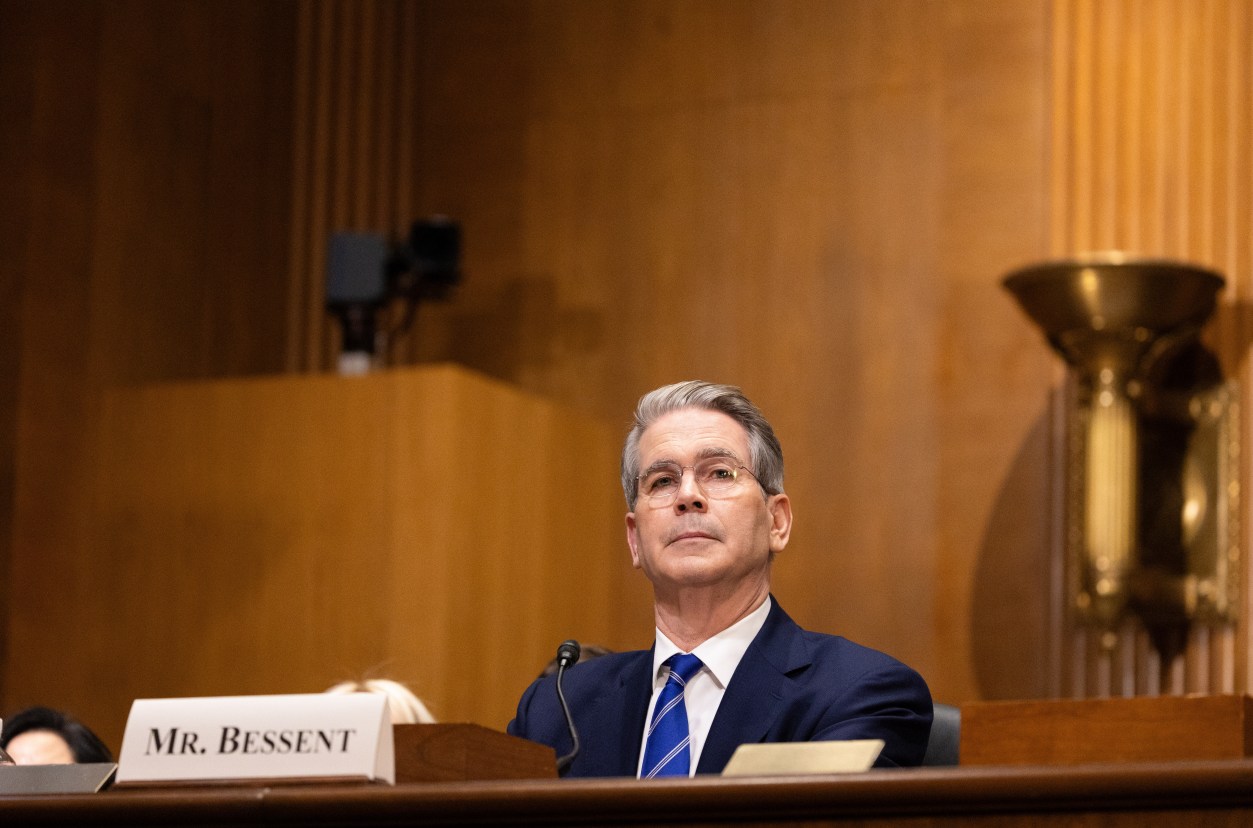
TradingKey - On April 13, ET, U.S. Treasury Secretary Scott Bessent, seen as part of the Trump camp, stated that with the outbreak of war in Iran and surging oil prices, the Federal Reserve should "wait and see" rather than rush to cut interest rates. This stance indicates that the White House may briefly align with the Fed on economic policy. Prior to this, Trump had repeatedly pressured the Fed to lower rates, even threatening to replace Chair Jerome Powell.
Speaking at the Semafor World Economy forum in Washington on April 13, Bessent was asked whether the Fed should lower interest rates. He responded: "Do I think interest rates should be lowered? Eventually, yes. But I think we should wait and see for now. We have to wait and see how the economy develops."
Bessent specifically affirmed the Fed's decision to hold steady under the current circumstances. He noted that it is "the right thing" for the Fed to monitor the impact of the conflict in Iran. This stands in sharp contrast to the constant pressure Trump has placed on the Fed to cut rates since the start of his second term.
Inflation reignites as oil prices post their largest gain since 2005.
Behind Bessent's shift in stance lies the severe geopolitical shock to energy markets. Driven by the war in Iran, U.S. oil prices have recorded their largest increase since 2005. Data released last Friday shows that the pace of U.S. inflation in March was triple the rate of February.
Despite this, Bessent still expressed a degree of confidence. He stated that recent price hikes "will not be reflected in inflation expectations." He added that while U.S. economic growth was previously expected to exceed 4% this year, it now "requires a catch-up effort" and remains theoretically achievable.
When asked whether the war in Iran was a net positive or negative for the U.S., Bessent offered a controversial long-term assessment: "When we look back at this war—I don't know how long it will last, perhaps 50 days, 100 days, or longer—what we get in exchange is 50 years of stability."
This statement suggests that the Trump administration may be viewing the Middle East conflict as a strategic investment—enduring short-term energy price and inflationary pressures in exchange for long-term geopolitical stability.
Rate cut expectations pushed back; markets focus on the Fed’s next move.
Previously, Trump had repeatedly and publicly criticized Powell for refusing to cut interest rates; however, with the outbreak of war in Iran and oil prices returning above $100, the White House's economic priorities appear to be reordering.
Bessent stated clearly that it would "greatly surprise" him if central banks, including the ECB, were to hike rates in the current environment. He believes the U.S. has not yet seen the significant demand for subsidies seen in the U.K. and some Asian countries, providing more reason to remain patient.
Bessent's recent remarks were initially seen by the market as the Trump administration shifting from "pressuring for rate cuts" to "adopting a wait-and-see approach alongside the Fed." From the perspective of Bessent’s comments, the Fed's independence seems to be regaining market recognition.
In addition, the market will closely watch the Fed's latest signals at the late April or May meetings, as well as whether the U.S.-Iran conflict will further push up inflation expectations.
This content was translated using AI and reviewed for clarity. It is for informational purposes only.
Recommended Articles







Comments (0)
Click the $ button, enter the symbol, and select to link a stock, ETF, or other ticker.