


What Cracking Bitcoin Private Keys in 9 Minutes Means? How to Face Quantum Attacks



AI Podcast


Google research suggests quantum computers could crack Bitcoin private keys in 9 minutes by 2029, significantly sooner than previously estimated. This accelerated timeline stems from a lower qubit requirement, posing a threat to legacy and exposed public key addresses. Investors are advised to avoid address reuse and migrate to SegWit or Taproot addresses for enhanced security. Countermeasures are under development by several crypto teams, including roadmaps from the Ethereum Foundation, aiming for completion by 2029.
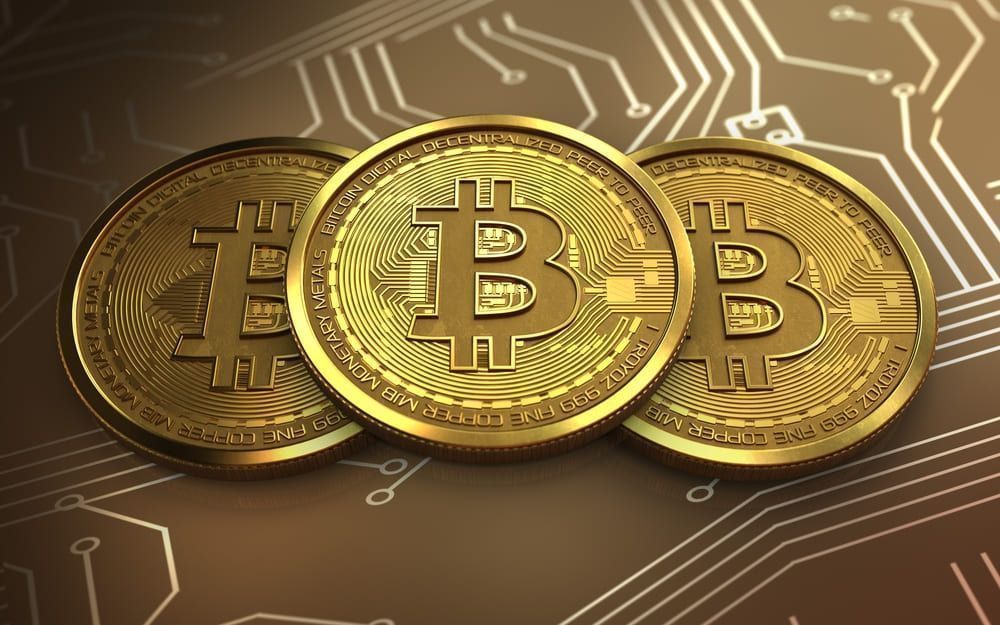
TradingKey - Google claims Bitcoin private keys could be cracked in just 9 minutes in the future; quantum threats are arriving sooner than expected, but countermeasures exist.
According to a report by Cointelegraph on March 31, Google ( GOOG )'s latest research indicates that future quantum computers will need only 9 minutes to crack Bitcoin ( BTC) private keys. With Bitcoin's average block time stated as 8 minutes, this means the attack is 1 minute faster—a critical window that could lead to the theft of your assets.
Why must a quantum attack be faster than the BTC block time? Google notes that a quantum attack can derive a private key from a public key within 9 minutes. This means hackers could exploit the gap between a transaction being initiated and its confirmation by miners to forge a transaction with a higher fee to siphon off funds, currently with a success rate of approximately 41%.
The threat of quantum attacks on Bitcoin is not a new issue and has been widely debated in the past. However, experts previously believed that cracking the algorithms used by Bitcoin would require tens or even hundreds of millions of physical qubits. At the time, such conditions did not exist, leading to estimates that it might take 5 to 10 years, likely being achieved around 2035–2040.
However, Google's latest research shows that only 500,000 physical qubits are needed, meaning the timeline has moved forward to 2029. In other words, Bitcoin could face quantum attacks by the next halving in 2028. This shifts the quantum threat from a "distant theory" to a "foreseeable warning period," and Bitcoin investors must remain vigilant.
It is worth noting that not all Bitcoin faces the same level of risk; the degree of risk depends on your address type. High-risk addresses mainly include legacy addresses (P2PK), addresses with exposed public keys, and old addresses that have sent transactions (P2PKH). A prime example is the wallet address of Bitcoin founder Satoshi Nakamoto, whose public key is directly exposed on the blockchain. Quantum computers could immediately crack the private key based on these public keys, essentially obtaining the password to a bank account.
However, if your address is new and the funds have never been moved, a quantum computer cannot directly reverse the public key from the hash, let alone obtain the private key, making it relatively safe for now. Therefore, investors should avoid "reusing addresses" and use a newly generated address every time they receive Bitcoin to ensure their public keys are not vulnerable to quantum attacks before a transaction is confirmed.
Furthermore, Bitcoin can be migrated to Native SegWit (starting with bc1q) or Taproot (starting with bc1p) addresses. Naturally, a more secure approach is physical isolation by transferring Bitcoin to a cold wallet, provided you ensure your private key has never been exposed to the internet.
Nonetheless, there is no need for excessive concern regarding quantum attacks, as several top crypto teams, including Bitcoin Core and BTQ, are currently developing countermeasures. On March 25 of this year, the Ethereum Foundation even released a highly targeted roadmap for addressing quantum attacks, with completion expected by 2029.
This content was translated using AI and reviewed for clarity. It is for informational purposes only.
Recommended Articles







Comments (0)
Click the $ button, enter the symbol, and select to link a stock, ETF, or other ticker.