3 Reasons SpaceX May Be a Risky Investment

Key Points
Earlier this year, SpaceX merged with xAI in a $1.25 trillion deal.
SpaceX is reportedly seeking to raise $75 billion in a $1.75 trillion IPO.
Investing in SpaceX carries a lot of allure, but smart investors understand there are key risks in deals of this magnitude.
SpaceX played a pivotal role in transforming the space industry by way of its reusable rockets and Starlink satellite internet service. The swirling rumors of a SpaceX IPO are one of the few topics that have investors excited in an otherwise turbulent stock market.
With that said, investors may need a reality check: Going public sometimes brings serious risks that aren't always obvious on the surface.
Will AI create the world's first trillionaire? Our team just released a report on the one little-known company, called an "Indispensable Monopoly" providing the critical technology Nvidia and Intel both need. Continue »
Investing in SpaceX isn't just about owning a piece of next-generation technology. Smart investors are weighing how public markets will react to a company whose core business is pioneering a niche industry -- space exploration.
Let's explore three reasons why investing in SpaceX might not be as appealing as it's being marketed as well as some alternative avenues investors may consider exploring in lieu of the SpaceX IPO.
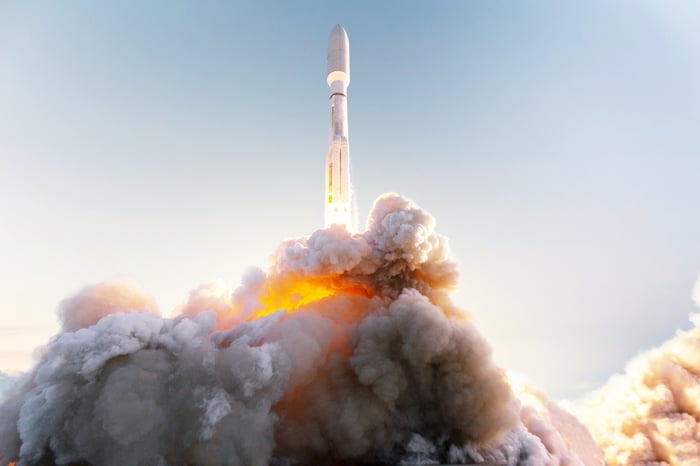
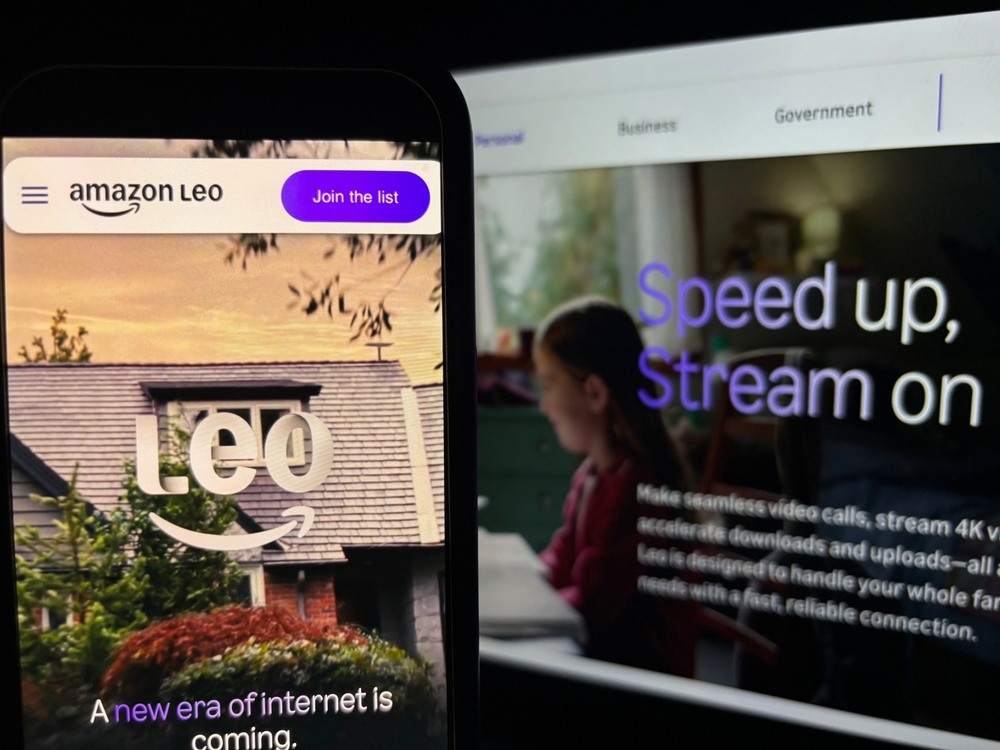
Image source: Getty Images.
The sky-high valuation could crash back to Earth
SpaceX currently boasts a monster $1.25 trillion valuation that's mostly rooted in unproven future promises like global internet coverage and eventual colonization of Mars. These overzealous figures can fly for a private company raising money from deep-pocketed venture capital investors who can wait years for a multibagger payoff.
However, once shares hit the public exchanges, retail investors and institutional money managers will index heavily on cold, hard numbers. Revenue growth from Starlink subscriptions, backlog, and whether the trajectory of cash burn and timeline to consistent profitability justify the price tag.
If growth begins to show even a hint of deceleration because satellite replacements start to cost more than forecasted customer acquisition, the stock could easily take a nosedive.
It's not uncommon at all for hyped-up companies to IPO with fireworks only to crater in epic fashion once Wall Street starts demanding more robust quarterly results instead of an inspiring long-term vision.
In addition, early investors and employees with stock options tend to take advantage of momentum swings during IPOs and cash out their stock. This inherently propels valuation higher while increasing a stock's float. Translation: You're paying a premium for someone else's shares while making it harder for yourself to earn a profit down the road.
Everything hinges on Elon Musk
SpaceX is fueled by Elon Musk's vision and high-intensity energy levels. Admittedly, this strategy has worked so far.
With that said, when you invest in a company, you are also inherently investing in its leadership. Musk's attention is already split across Tesla, X (formerly Twitter), Neuralink, and, more recently, politics.
One controversial remark on social media or a shift in business focus could send SpaceX stock swinging, even if the underlying day-to-day operation is humming along just fine. While private investors can shrug off this type of behavior, public shareholders are prone to panic-selling when leadership seems distracted.
Regulatory hurdles and execution risks
Space exploration isn't like building an app that can be tweaked for bugs after it's released. The entire operation of building a rocket or satellite requires enormous scrutiny and clearance from the Federal Aviation Administration (FAA) and Federal Communications Commission (FCC).
Different administrations, fluid environmental regulations, or even international disruptions over orbital traffic could delay launch schedules and increase costs overnight. On top of that, the technology is unforgiving: SpaceX is a business built on capital-intensive, mission-critical moonshots that sometimes blow up -- literally. Most public company investors don't have patience for major setbacks.
Bottom line: A SpaceX IPO likely comes attached to risks most investors would rather pass on.
If you are interested in investing in the space economy, alternatives such as AST SpaceMobile, Rocket Lab, Alphabet, or Nvidia could offer smoother, more predictable growth over uncertainty for now -- all while providing both direct and adjacent exposure to the technologies fueling the final frontier.
Where to invest $1,000 right now
When our analyst team has a stock tip, it can pay to listen. After all, Stock Advisor’s total average return is 917%* — a market-crushing outperformance compared to 185% for the S&P 500.
They just revealed what they believe are the 10 best stocks for investors to buy right now, available when you join Stock Advisor.
*Stock Advisor returns as of April 2, 2026.
Adam Spatacco has positions in Alphabet, Nvidia, and Tesla. The Motley Fool has positions in and recommends AST SpaceMobile, Alphabet, Nvidia, Rocket Lab, and Tesla. The Motley Fool has a disclosure policy.