Micron Just Had Its Worst Week of 2026. Is Earnings Season the Turning Point?

Key Points
Micron's sharp sell-off is surprising, as it comes after an exceptionally strong earnings season.
Investors are concerned about a potential memory price normalization amid increasing investments in capacity expansion.
However, tight supply conditions and rising AI-driven demand may disprove the bearish narrative in the long run.
Micron Technology (NASDAQ: MU) stock just experienced one of the worst weeks of 2026, with shares falling around 19.5% in the past five trading days (as of March 26). The stock is now down over 23.5% from its recent high of $471.34 earlier this month, as investors worry about the durability of memory demand amid profit-taking and increasing macro uncertainty.
The sell-off has been surprising, especially after the company delivered solid performance in the second quarter of fiscal 2026 (ended Feb. 26).
Will AI create the world's first trillionaire? Our team just released a report on the one little-known company, called an "Indispensable Monopoly" providing the critical technology Nvidia and Intel both need. Continue »

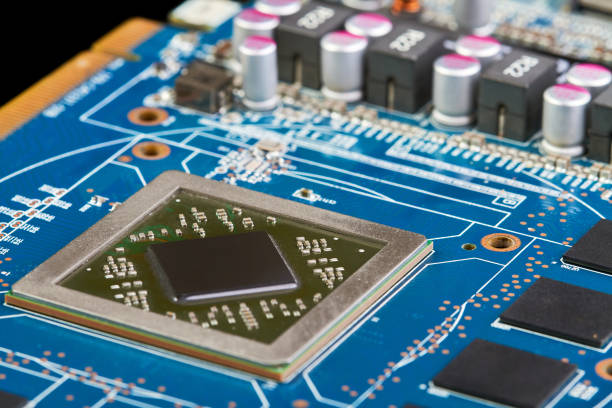
Image source: Getty Images.
Disconnect between fundamentals and stock performance
Micron has plans to increase capital expenditures (capex) to over $25 billion in fiscal 2026, with a significant portion allocated toward future memory capacity expansion. The company also expects construction-related capex to rise by more than $10 billion year over year in fiscal 2027 as it builds out its global manufacturing footprint. Against this backdrop, investors are concerned that memory prices, currently supported by tight supply and strong artificial intelligence (AI)-driven demand, could begin to normalize, negatively affecting Micron's future profitability.
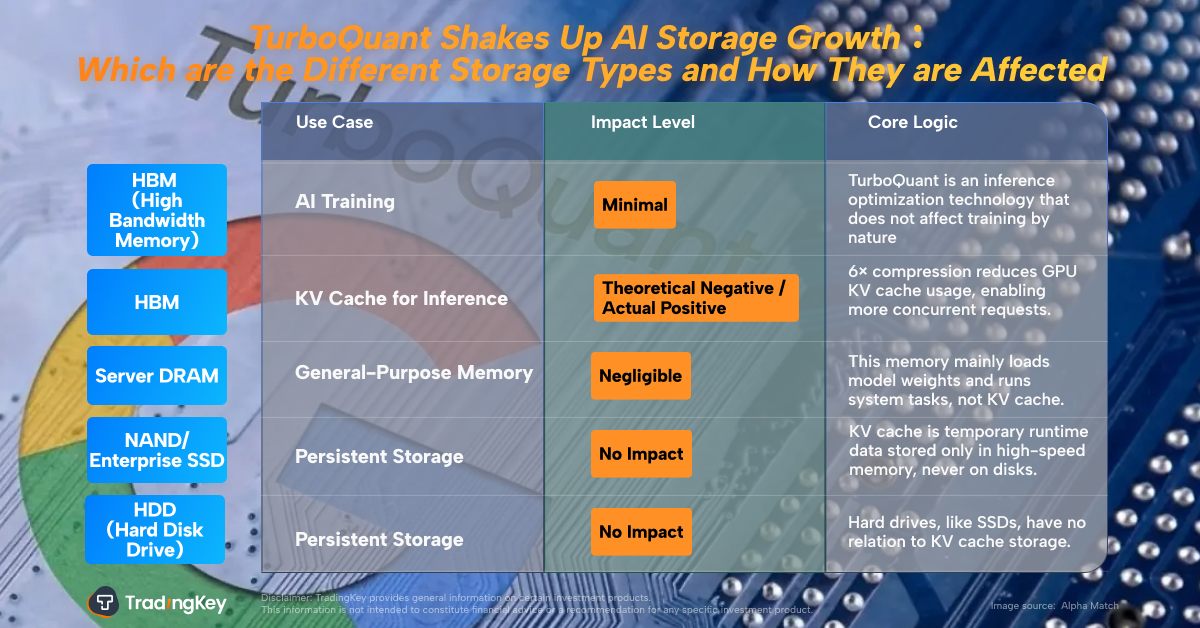
Additionally, a recent announcement from Alphabet around memory-efficient AI processing has triggered fears that AI workloads may require less memory, further contributing to the recent sell-off.
However, this bearish narrative may be ignoring the actual extent of supply constraints in the memory market. In the recent earnings call, Micron's management highlighted that some of its customers were receiving only one-half to two-thirds of their medium-term memory needs. The company also expects tight supply-demand conditions to persist beyond 2026. Supply can remain constrained for a much longer time due to limited cleanroom capacity, long construction lead times before new fabs become operational, and lower efficiency gains in memory output per wafer with new manufacturing technologies. The company is also entering into multiyear strategic customer agreements, including its first five-year deal, which provides better demand visibility and supply commitments across memory cycles.
Hence, if Micron's upcoming earnings continue to validate supply constraints and rising AI-driven memory demand, the recent pullback could prove a turning point or a smart entry point for long-term investors.
Should you buy stock in Micron Technology right now?
Before you buy stock in Micron Technology, consider this:
The Motley Fool Stock Advisor analyst team just identified what they believe are the 10 best stocks for investors to buy now… and Micron Technology wasn’t one of them. The 10 stocks that made the cut could produce monster returns in the coming years.
Consider when Netflix made this list on December 17, 2004... if you invested $1,000 at the time of our recommendation, you’d have $503,861!* Or when Nvidia made this list on April 15, 2005... if you invested $1,000 at the time of our recommendation, you’d have $1,026,987!*
Now, it’s worth noting Stock Advisor’s total average return is 884% — a market-crushing outperformance compared to 179% for the S&P 500. Don't miss the latest top 10 list, available with Stock Advisor, and join an investing community built by individual investors for individual investors.
*Stock Advisor returns as of March 29, 2026.
Manali Pradhan, CFA has no position in any of the stocks mentioned. The Motley Fool has positions in and recommends Alphabet and Micron Technology. The Motley Fool has a disclosure policy.