


The Digital Asset Frontier: How Cryptocurrency is Recasting Global Finance in 2026



AI Podcast


As of March 27, 2026, digital assets are integral to the global financial system, moving beyond speculative trading to a multi-trillion-dollar asset class. Blockchain technology, secured by cryptography, underpins decentralized finance (DeFi), enabling peer-to-peer transactions without intermediaries. Key assets like Bitcoin ($1.35T market cap) and Ethereum ($248.5B) are central to institutional stability and portfolio management, complemented by stablecoins like Tether ($144.2B) for volatility hedging. While risks like lost private keys and cybersecurity persist, regulatory clarity and enhanced custody solutions are facilitating broad adoption, integrating crypto into everyday commerce and investment services.
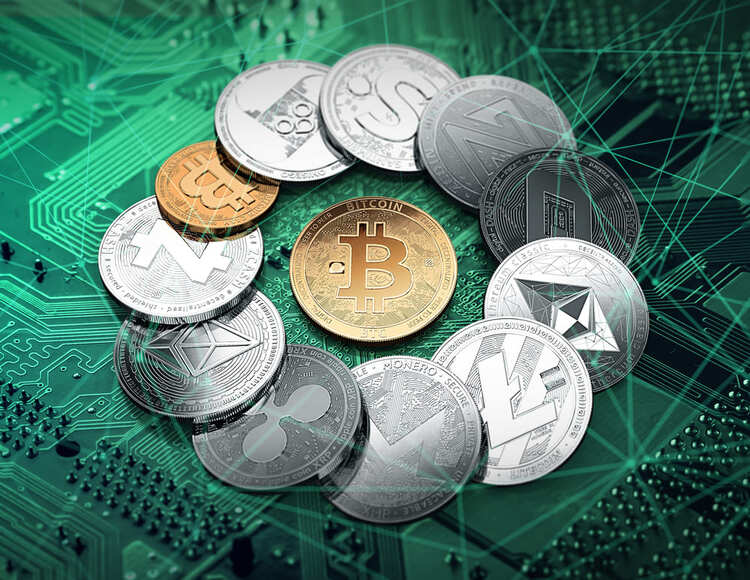
TradingKey - The financial landscape of 2026 suggests that the future of digital assets has effectively become the future of money itself. Today’s market is characterized by enhanced institutional stability, sophisticated regulatory frameworks, and a definitive shift away from the "Wild West" volatility of previous decades. Decisions in the modern financial world are no longer dictated solely by central bank officials; as Decentralized Finance (DeFi) evolves from a niche experiment into a cornerstone of portfolio management, understanding the mechanics of cryptocurrency is now a fundamental requirement for global investors.
Cryptocurrency — or crypto — is a decentralized digital payment system that functions without traditional banking intermediaries. Unlike fiat currencies backed by government mandates, cryptocurrencies leverage peer-to-peer (P2P) networks and advanced cryptographic protocols to verify transactions and manage supply. As of March 27, 2026, the industry has matured into a multi-trillion-dollar asset class, integrated into everything from high-frequency institutional trading to autonomous AI agent micro-payments.
The Architecture of Trust: Blockchain and Cryptography
Trust is the bedrock of global commerce, and society increasingly favors decentralized protocols over centralized intermediaries. Underlying every cryptocurrency is blockchain technology — a distributed ledger that maintains a synchronized, public record of every transaction initiated via private keys.
In this decentralized model, a currency’s supply cannot be manipulated by a single entity, and transactions are functionally irreversible. Each transaction is bundled into a "block" and validated through a distributed consensus mechanism across network nodes. Once verified, the block is time-stamped and cryptographically linked to the preceding chain. This structure ensures that tampering with any historical data would require the simultaneous alteration of all subsequent blocks, making fraudulent activity computationally impractical.
In 2026, "ownership" in this system is defined not by physical possession, but by the control of a private key — a cryptographic password that enables the secure transfer of units of account without third-party reliance.
Value Creation: The Evolution of Mining and Minting
Digital value is generated through diverse protocols tailored to specific network goals. Mining remains a primary method for Proof-of-Work (PoW) chains, utilizing specialized hardware to solve complex mathematical equations. This process serves a dual purpose: it secures the blockchain by validating transactions and issues new coins as a reward for computational labor.
However, the 2026 market has seen a shift toward more energy-efficient models. Many modern protocols distribute tokens through initial allocations or "hard forks" — splitting an existing blockchain to create a new evolutionary path. While Bitcoin (BTC) serves primarily as "digital gold" or a medium of exchange, many utility tokens are issued atop existing networks like Ethereum (ETH) to power decentralized applications (dApps) or represent tokenized real-world assets.
Market Analysis: Leading Assets in March 2026
The market has matured significantly since the nascent days of Bitcoin’s price discovery. High-liquidity assets and stablecoins now provide the essential interface between digital and traditional finance.
Key Assets by Market Capitalization (Data as of March 27, 2026)
Cryptocurrency | Ticker | Market Cap | Core Utility |
Bitcoin | BTC | $1.35 Trillion | Digital Gold / Institutional Store of Value |
Ethereum | ETH | $248.5 Billion | Smart Contracts & DeFi Infrastructure |
Tether | USDT | $144.2 Billion | High-Liquidity USD-Pegged Stablecoin |
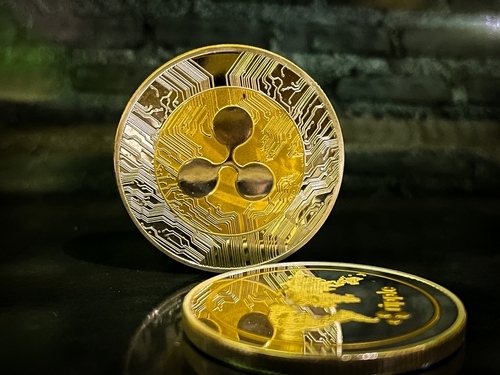
Ripple | $87.1 Billion | Institutional Cross-border Settlements | |
USDC | USDC | $60.2 Billion | Regulated Stablecoin / AI Agent Payments |
Solana | SOL | $39.4 Billion | High-Speed dApp & DePIN Ecosystem |
While Bitcoin remains the "gold standard," altcoins such as Solana and Avalanche have captured significant market share due to superior scalability and lower overhead. Simultaneously, stablecoins like USDT and USDC offer a vital hedge against volatility, allowing capital to remain within the ecosystem in dollar-equivalent forms during periods of market turbulence.
Risk Management and Investment Tactics
Investing in digital assets in 2026 requires a specialized analytical framework. While the market offers best-in-class returns for long-term holders, it remains subject to significant liquidation events and idiosyncratic risks.
Institutional Holding vs. Active Trading
Professional speculators utilize technical analysis — monitoring RSI levels and moving average convergences — to exploit intraday movements. Conversely, "HODLers" focus on the fundamental shift in financial plumbing. For context, despite historic drawdowns, Bitcoin has appreciated by over 12,000% since its inception, while Ethereum’s growth has exceeded 90,000%.
Assessing Modern Risks
- The Absence of a Safety Net: Decentralization removes central authority, meaning there is no recourse for lost private keys or unauthorized access.
- Cyber Custody: Investors must choose between Centralized Exchanges (CEX), which offer bank-like convenience, or Decentralized Exchanges (DEX), which offer superior privacy but require total self-sovereignty.
- Environmental Standards: ESG concerns remain a priority. While Ethereum’s transition to Proof-of-Stake (PoS) reduced its carbon footprint by 99%, Bitcoin continues to utilize Proof-of-Work, albeit increasingly powered by renewable energy offsets.
Custody and Global Adoption
The safekeeping of assets is as critical as the investment itself. Cold Wallets (offline hardware) remain the industry standard for long-term security, isolated from internet-based threats. Hot Wallets (software-based) provide the necessary agility for frequent DeFi interactions but remain susceptible to sophisticated phishing attacks.
By March 2026, the "Wild West" era has been superseded by global regulatory regimes. In the U.S., the IRS treats cryptocurrencies as taxable property, and the recent GENIUS Act has provided the clarity needed for institutional behemoths like Goldman Sachs and BlackRock to fully integrate digital assets into their prime brokerage services. Adoption has moved beyond speculation into the real economy; purchasing real estate, luxury goods, and insurance premiums via crypto-linked debit cards is now a standard consumer experience.
Conclusion: The New Normal in Finance
The emergence of digital assets is not merely a new trend in trading; it is a radical advancement in financial inclusion and data integrity. While volatility and fraud remain persistent challenges, the maturation of blockchain infrastructure indicates that digital assets are no longer a peripheral experiment. They are an essential, permanent fixture of the global financial system.
Recommended Articles





Comments (0)
Click the $ button, enter the symbol, and select to link a stock, ETF, or other ticker.