US STOCKS-Wall St set for lower open as Middle East turmoil, weak jobs report weigh

By Johann M Cherian and Ragini Mathur
March 6 (Reuters) - Wall Street's main indexes were set for a lower open on Friday as the conflict raging in the Middle East threatened to fuel inflation through higher energy costs and data showed the economy unexpectedly shed jobs in February.
A Labor Department report showed the economy lost 92,000 jobs last month, compared with estimates for a 59,000 rise. The unemployment rate rose to 4.4%, compared with expectations of 4.3%.
Following the data, traders added to expectations that the Federal Reserve will lower interest rates by 25 basis points in June, odds of which now stand at about even, up from about 35% earlier in the day, according to LSEG-compiled data.
"Today’s numbers may have put the Fed between a rock and a hard place," said Ellen Zentner, chief economic strategist at Morgan Stanley Wealth Management.
"Significant weakening in the labor market would support a rate cut, but given the risk that higher-for-longer oil prices could trigger another inflation surge, the Fed may feel compelled to remain on the sidelines."
The U.S.-Israel air campaign against Iran was nearing a week with no end in sight. Oil prices have surged the most this week since Russia's 2022 invasion of Ukraine as shipping through the strategic Strait of Hormuz ground to a halt.
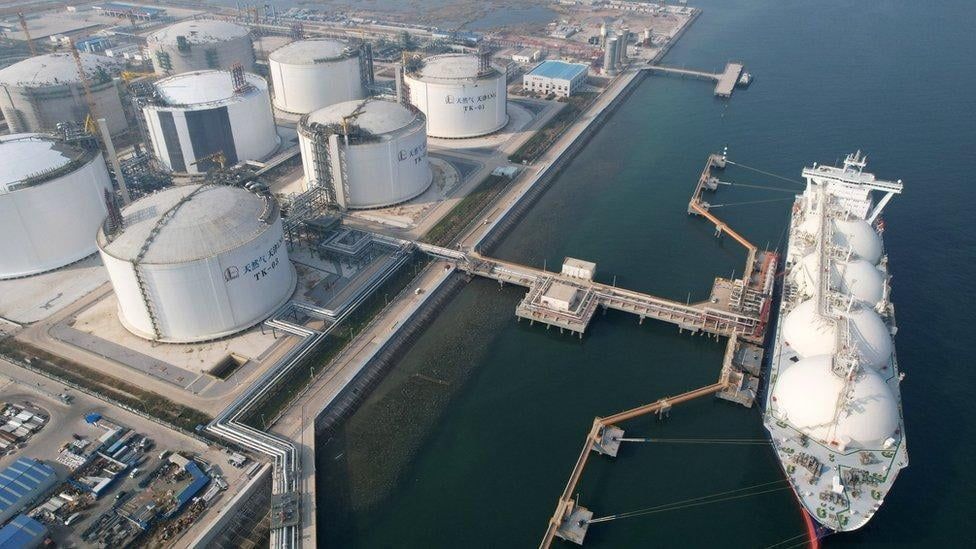
Natural gas producer Qatar's energy minister said it would take "weeks to months" to resume normal deliveries even in the case of an immediate ceasefire, according to a report, adding that he expects all Gulf energy producers to shut down exports within weeks, which could drive oil to $150 a barrel.
Crude prices edged higher and sent airlines American AAL.O and Delta DAL.N more than 3% lower in premarket trading. The S&P 500's passenger airlines subindex .SPLRCALI is on track for a 9% weekly drop.
At 08:53 a.m. ET, Dow E-minis YMcv1 were down 581 points, or 1.21%, S&P 500 E-minis EScv1 were down 80.5 points, or 1.18%, and Nasdaq 100 E-minis NQcv1 were down 358 points, or 1.43%.
Wall Street's fear gauge, the CBOE volatility index .VIX, spiked 3.2 points to 25.95, while futures tied to the rate-sensitive Russell 2000 index RTYcv1 dropped 2%.
AI-chip stocks Nvidia NVDA.O and Advanced Micro Devices AMD.O were down about 2% each. U.S. officials are debating a new regulatory framework for exporting artificial intelligence chips, although the rules were not final.
Despite the gloomy mood, U.S. stocks have fared better than their Asian and European counterparts this week, upheld by a 1.5% rebound in technology stocks .SPLRCT from February's losses. The tech-heavy Nasdaq .IXIC is on track for small weekly gains.
Marvell Technology
Also supporting sentiment, the United States is perceived to be better shielded from energy shocks as it is a net exporter of oil.
Federal Reserve Governor Christopher Waller said on Bloomberg Television that he does not expect the global jump in oil prices to lead to persistent inflation or warrant a change in monetary policy.
Energy companies Occidental OXY.N and NextDecade NEXT.O climbed more than 2% each on Friday. Natural gas exchange traded funds BOIL.P, UNG.P gained 8% and 4%, respectively.
Meanwhile, a report said the U.S. government has declined to refund tariffs the Supreme Court ruled illegal, fueling uncertainty on the trade front.
Among others, Gap