


Australian stocks drop as Middle East conflict deepens

ReutersMar 6, 2026 1:33 AM


View all comments(0)
Disclaimer: The information provided on this website is for educational and informational purposes only and should not be considered financial or investment advice.
Like
Sign up for Tradingkey to unlock the full content
Free signup
Recommended Articles



Featured Tools


Top News

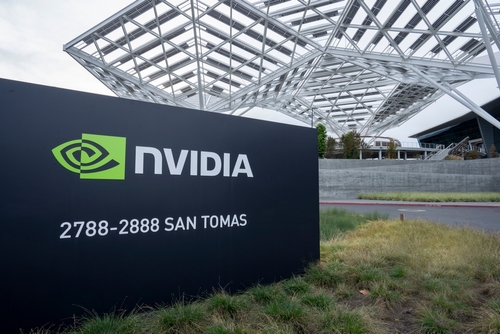
Nvidia’s Trillion-Dollar Market Value Stock Price Flash Crashes, Intraday Drop Exceeds 4.6%. What Are the Reasons?

SpaceX to IPO in June, How Ordinary Investors Seize the Last Opportunity?

SpaceX IPO Date Moved Up to June 12: What Should Investors Watch? How Can European and Asian Investors Buy SpaceX Shares? What Is the Impact on Broad US Markets?

Nvidia Reports Q1 FY2027 Earnings on May 20 - Is NVDA a Buy at $224 Before the Most Important Print of the Year?
US Treasuries Continue to Rise. Could a US Debt Sell-Off Erupt in 2026?

Tradingkey

Comments (0)
Click the $ button, enter the symbol, and select to link a stock, ETF, or other ticker.