


Nvidia Says Its Revenue Forecast Has Only Grown More Brighter Due to Strong Demand and Large Customer Deals



NVIDIA has stated that it has become more optimistic about its revenue forecast released in October, as the strong market demand has led to more orders than expected.
The company said at the International CES held in Las Vegas on Tuesday that large customer orders and the widespread application of new artificial intelligence models have brought more orders than anticipated. Last October, NVIDIA had predicted that its current and future data center chip business would generate approximately $500 billion in revenue by the end of 2026.
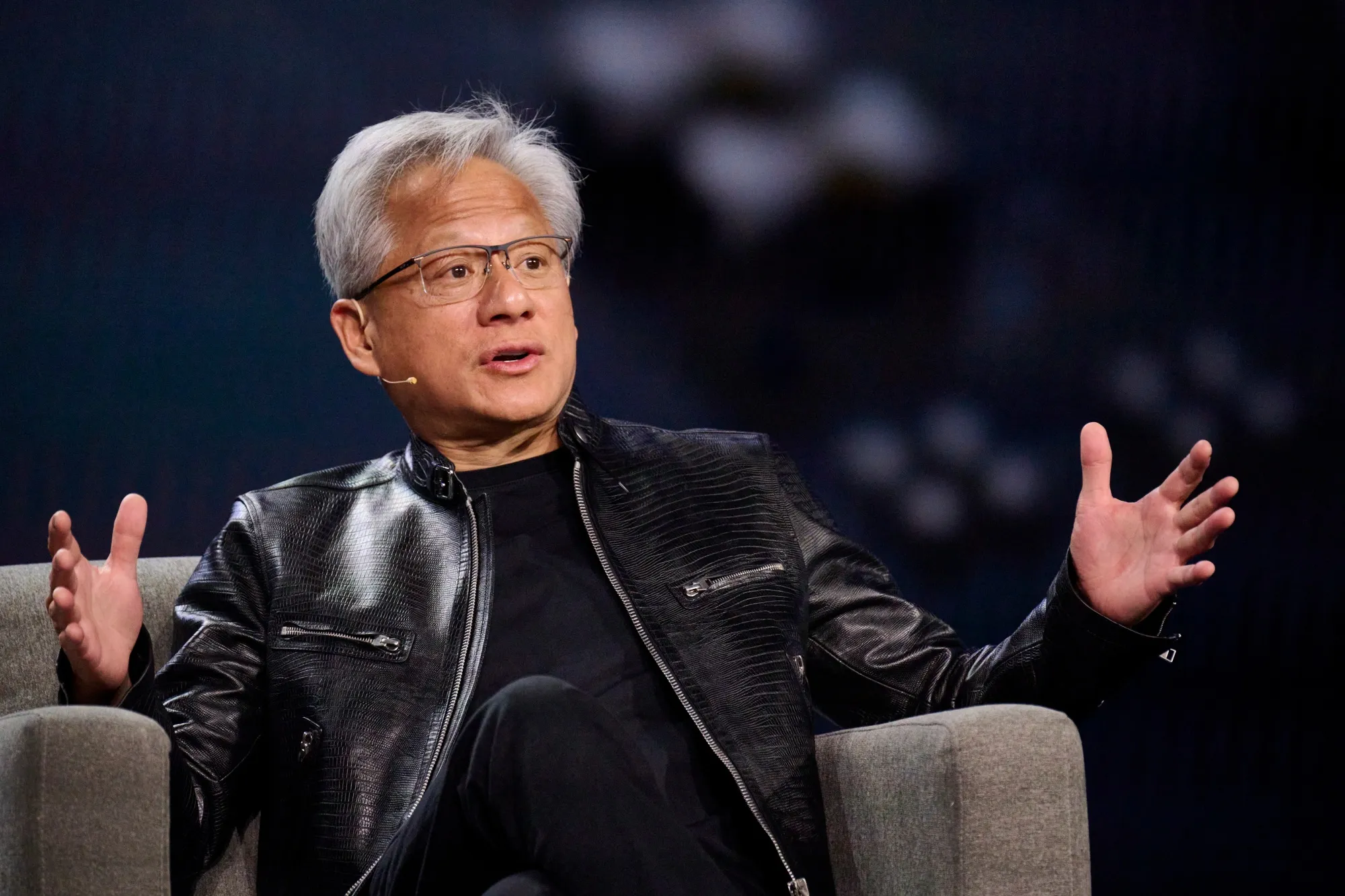 Inside The 2026 CES Trade Show
Though the company didn’t provide a new figure, it suggested that revenue in that time frame would eclipse the $500 billion level.
“We should have a very good year,” Chief Executive Officer Jensen Huang said during a press conference. Deals with companies such as AI provider Anthropic PBC, as well as improving prospects in China, “should increase our expectations of that number.”
Nvidia’s outlook is crucial to allaying investor concerns about the AI industry. The company, which supplies the chips that power artificial intelligence models, has maintained that customer spending will stay strong because the benefits are so large.
For calendar 2026, Wall Street currently projects Nvidia will have total revenue of $321.2 billion, an increase of 57%. For 2027, they estimate the company will end the year with more than $400 billion in sales.
In separate remarks at a JPMorgan Chase & Co. event, Chief Financial Officer Colette Kress said that corporate data processing needs — rather than just AI — are also fueling demand for next-generation computing. That will help overall investments reach multiple trillions by the end of the decade.
“That $500 billion has definitely gotten larger,” she said.
Still, the remarks failed to impress investors. Nvidia shares fell less than 1% to $187.28 at the close in New York. They had gained 39% last year.
A key question is whether Nvidia can get back into the booming market for artificial intelligence chips in China. US export restrictions have hobbled its business in that region, but the Trump administration has said that Nvidia can start selling its H200 chip to customers in the country.
“The customer demand is high, quite high, very high,” Huang said. “We’ve fired up our supply chain. H200s are flowing through the line.”
Huang said the last details of licenses from the US government are being finalized, and he doesn’t expect any formal declaration of approval from Beijing. Chinese government sign-off will come in the form of allowing companies there to submit orders, he said.
The previous day, Nvidia provided details about new chips that will go on sale in the second half of the year. Huang also touted the power efficiency of the processors, which can deliver increased performance without requiring new computers to house them.
His comments about cooling systems, meanwhile, caused ripples on Wall Street. Huang said that racks of the new Rubin chips can be cooled with water that doesn’t require a chiller. Shares of the companies that make cooling technology, such as Johnson Controls International Plc, tumbled on Tuesday.
Energy consumption has always been another issue faced by the artificial intelligence industry. Huang refuted the concerns about the imminent depletion of power supply in data centers, stating that power shortages are a normal phenomenon during the "industrial revolution". He also called for increased investment in various new forms of power generation.
Recommended Articles







Comments (0)
Click the $ button, enter the symbol, and select to link a stock, ETF, or other ticker.