Investors drive US money market fund assets to records as war-related risk fears multiply

By Suzanne McGee
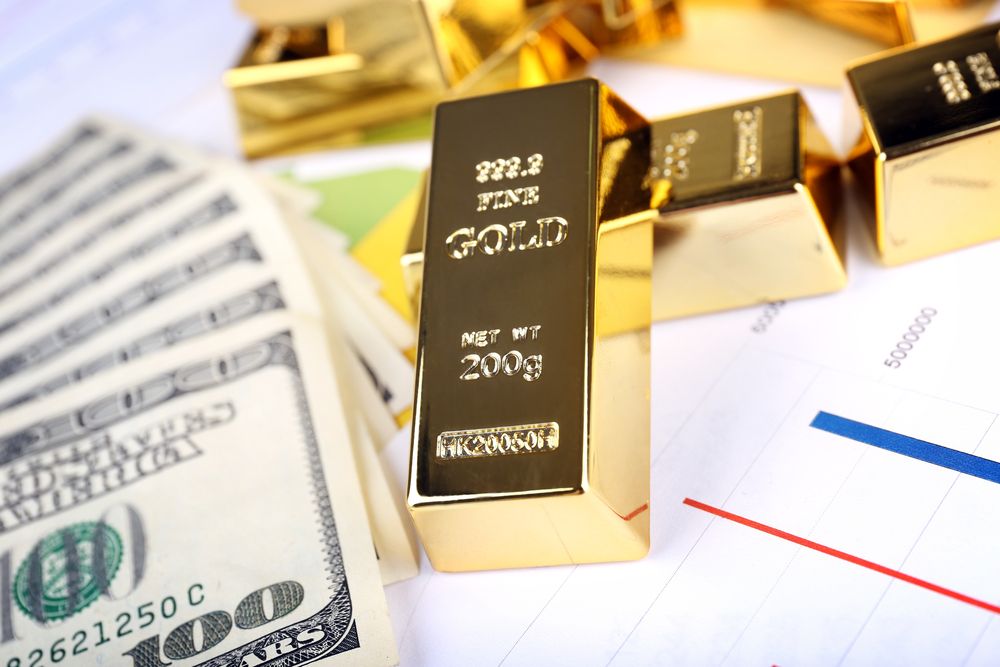
PROVIDENCE, RHODE ISLAND, March 20 (Reuters) - As the Iran conflict intensifies, the spike in oil prices and rising inflation fears are spurring investors to ditch stocks as too risky and shun traditional safe havens such as gold in favor of money market funds.
The result: assets in those ultra-short-term and ultra-safe Treasury funds are now hovering around $8 trillion, according to calculations from providers such as the Investment Company Institute, JPMorgan Chase and Crane Data, which specializes in tracking money market flows. While their methodology varies and precise calculations range from $7.8 trillion to $8.1 trillion, the sources agree that assets have hit a record amid the conflict.
"When you have times of dislocation and times of fear, cash is the only thing that makes sense to a lot of people, because there's the belief that you 'can't lose' by holding it," said Malcolm Polley, director of strategic market analysis with Stratos Investment Management, a wealth management firm. He added that he is reassuring some of his clients that "the world is not coming to an end just yet."
"This is the 'wait-and-see' money coming from investors who are wary about what's happening right now," said Sweta Singh, founding partner at money management firm City Different Investments.
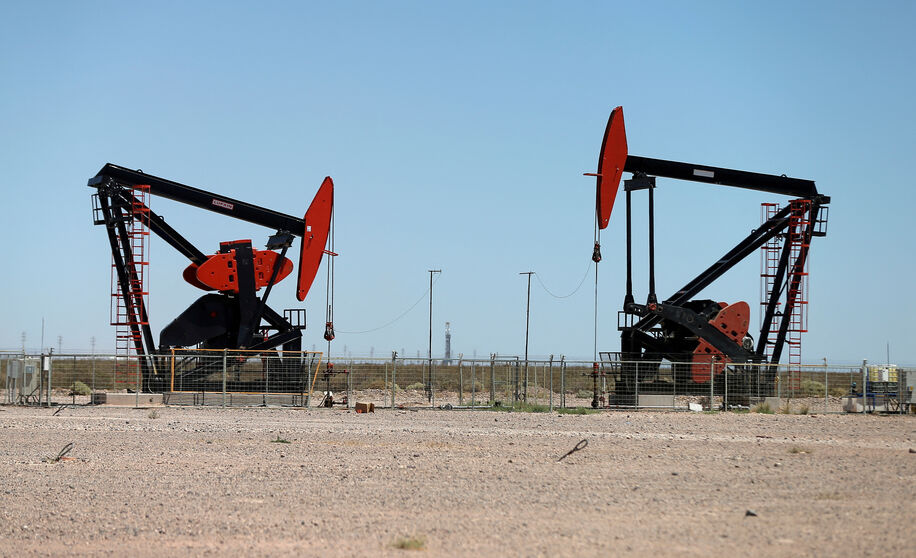
The latest catalyst for the steady flow of assets into money market funds is the impact of soaring crude oil prices on the economy and inflation. Brent crude futures LCOc1 rose 1.2% on Thursday to $108.65 a barrel, after trading as much as 10% higher during the day.
"Gold, silver and currencies are increasingly being driven by oil" prices, said Steven Wieting, co-founder of CIO Group, a wealth management firm. "As all risk assets take on this uncertain path, dependent on oil, it is natural for cash to build on the sidelines."
The longer prices linger at lofty levels, the greater toll they will take on everything from consumer spending to corporate earnings, market strategists are cautioning investors.
“There are few places to hide from this near-term supply shock,” analysts at the BlackRock BLK.N Investment Institute wrote in a client note published on Monday. “Government bonds and gold are not providing ballast as equities fall." Treasuries are no safe haven either, given the potential for inflation to climb further and already-high government debt to rise as the cost of conducting the war mounts.
"The elephant in the room is stagflation," said Jacob Taurel, managing partner at Activest Wealth Management, adding that he believes this combination of inflation and stagnant or negative growth is "a real risk."
To some, that offers a great case for putting money to one side in a product that currently offers yields north of 3% and, in a handful of cases, approaching 4%, depending on the financial institution. In the first few days of the Iran war, Deborah Cunningham, chief investment officer of global liquidity markets at Federated Hermes, said in an analysis published earlier this month that the "collective negative vibe often sends investors to safer harbors," a category she told Reuters includes money market funds.
Cunningham told Reuters she pegs the size of that cash mountain in money markets at $8.3 trillion.
Financial advisors, however, are cautioning their clients about being carried away by their risk aversion and putting too much money into money market funds.
"The problem with going to cash is that you have to make two separate decisions correctly: when to get into cash and when to move back into other assets," said Polley.
"When people are scared, they can be irrational."