Wealthy Moscow cuts investment, revealing Russia's deeper budget problems

By Elena Fabrichnaya and Gleb Bryanski
MOSCOW, March 6 (Reuters) - The city of Moscow, Russia's wealthiest federal unit, will cut its large investment programme for the first time since the COVID-19 pandemic, a sign of deteriorating regional finances in the fifth year of the conflict in Ukraine.
Mayor Sergei Sobyanin, Russia's most influential regional leader and a figure widely credited with modernising the capital, made the rare admission in his social media channels, where he typically posts about new roads or metro stations.
"Results for the first two months show revenue growth slowed to 2%, below the 6.5% planned when drafting this year's budget," Sobyanin said, announcing a 10% cut in 2026 investments from 1.2 trillion roubles ($15.3 billion), and a 15% reduction in municipal staff.
Moscow's revenues are projected at about 6 trillion roubles in 2026, or more than 2% of Russia's GDP. Many Russian companies are headquartered in the capital and pay taxes there, a long-running source of criticism from poorer regions.
REGIONS PUSHED INTO COSTLIER BORROWING
Russian officials tout the federal budget's relatively moderate deficit and debt, backed by the National Wealth Fund, as a key buffer against Western sanctions, but a broader measure that includes regional balances shows a weaker picture.
Russia's consolidated budget deficit, which combines federal and regional accounts, widened in 2025 to 8.3 trillion roubles, or 3.9% of GDP, 2.6 times larger than in 2024, well above a 2.6% deficit at the federal level.
"While state-level debt appears to be under control, the government is in effect pushing regions towards more expensive borrowing from commercial banks," a banking source told Reuters, speaking on condition of anonymity.
Even so, the central government is preparing a major austerity programme aimed at preventing the fiscal reserve fund from being depleted next year.
REVENUE GROWTH SLOWS
Data obtained by Reuters showed the share of concessional loans from the federal budget in regional debt fell to 67% last year from 78% in 2024, while the share of costlier commercial bank debt surged threefold.
Oil and gas taxes that have been falling in recent months, and value-added tax, widely seen as the most stable revenue stream, account for the bulk of federal income.
Regional revenues rely on corporate and personal income taxes, which are more vulnerable to an economic slowdown. Russia's economy cooled in 2025 after the central bank tightened its lending policy to curb inflation.
In a late-2025 report, Russia's Audit Chamber linked the rise in regional deficits to weaker corporate profits, which fell 5.5% in January-November 2025, according to official statistics.
The number of deficit-running regions rose to 74 in 2025 from 50 in 2024. Total regional spending increased 9% to 24.1 trillion roubles, while revenues rose 4% to 22.6 trillion.
Only four of Russia's 89 regions are expected to post budget surpluses this year, according to estimates from ratings agency Expert RA.
SPENDING CUTS
Expert RA expects regions to post an aggregate deficit of 1.7 trillion roubles in 2026, up 13% from last year. Regions dependent on struggling industries such as coal mining are among the hardest-hit.
"If economic growth does not resume, some regions will have to cut spending, first and foremost on infrastructure and development," said economist Natalia Zubarevich.
Generous payments to volunteers fighting in Ukraine, which in Moscow exceed 5 million roubles per person for the first year, as well as payments to their families have also become a burden on regional budgets.
The central bank has said that regional authorities stepped up issuance in the municipal bond market in late 2025 to help plug budget gaps, with volumes in November and December at their highest since May 2021.
($1 = 78.5000 roubles)
Related Articles
Oil Prices Surge. Trump Says Not Worried, US Treasury May Intervene in Crude Oil Futures for First Time
TradingKey - Global markets were spooked by crude oil supply shocks triggered by the escalation of hostilities in the Middle East. U.S. benchmark crude oil futures surged this Thursday, recording their largest single-day closing gain since 2020. U.S. Interior Secretary Burgum subsequently confirmed that the Trump administration is weighing a series of response options, stating that "all options are on the table," including measures for immediate impact as well as more complex long-term solutions.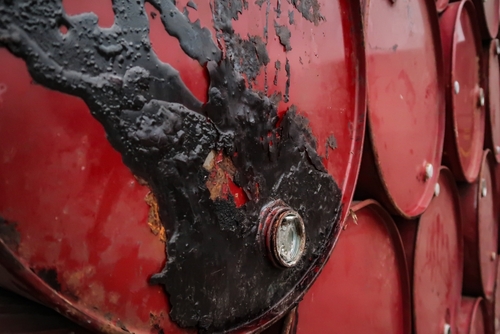
Oil vs. Gold: Which Is the Strongest ‘Safe Haven’ Amid Middle East Chaos?
Tensions in the Middle East have driven a sustained surge in crude oil prices, while gold prices retreated after hitting a high, leading to a widening divergence between the two.
Reddit Stock May Be Your Best Choice When Investing in Growth Stocks in 2026
TradingKey - In analyzing compounding growth stocks for 2026, the focus has changed from user growth to platform growth. An example is Reddit (RDDT), which creates value in an era of AI skepticism because of its community-fueled, user-generated solutions to product questions. Reddit’s stock will ali
Middle East Conflict Intensifies. Global Aluminum Supply Chain Faces Crisis, Aluminum Prices Surge to Highest Level Since 2022
TradingKey - The sharp escalation of geopolitical conflicts in the Middle East has triggered market panic regarding disruptions to key supply chains, directly pushing up global aluminum prices and disrupting the established rhythm of international commodity trade. As tensions between the U.S. and Iran intensify, Iran's threat to close the Strait of Hormuz poses a direct threat to the supply chain security of Middle Eastern aluminum smelters, which account for 9% of global production capacity.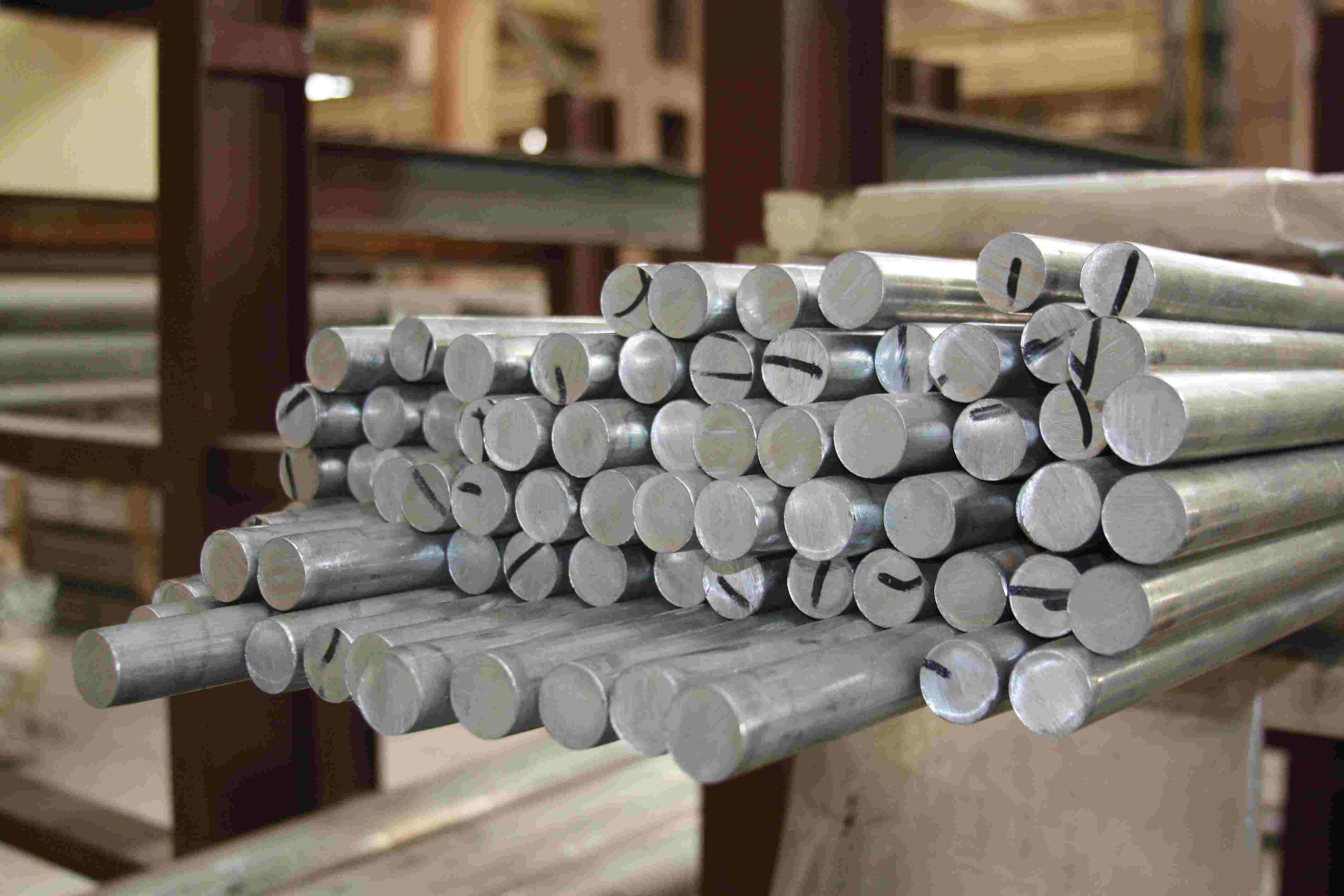
Is GE Vernova an Energy Stock You Should Buy in 2026?
TradingKey - GE Vernova (GEV), the global energy infrastructure company, was spun off from General Electric (GE) in 2024. It develops, produces, and services equipment for the generation and transmission of electricity, including gas and steam turbines, wind turbines, as well as grid infrastructure