Nokia expands partnerships with TIM Brasil, Deutsche Telekom in AI technology push

March 2 (Reuters) - Nokia Nokia.HE said on Monday it was expanding partnerships with TIM Brasil TIMS3.SA and Deutsche Telekom DTEGn.DE, as the Finnish 5G gear maker seeks to capitalise on adoption of AI-based technologies worldwide.
These deals, which follow last week's announcement of a multi-year contract with Telefonica TEF.MC to provide network solutions for data centres across Spain, highlight how artificial intelligence enabling technology is creating new revenue streams for Nokia.
It will expand the network partnership with TIM Brasil—which previously covered 5G network modernisation and its preparation for AI-based services in the state of Sao Paulo—to a further 14 states across four regions, reaching around 42% of Brazil's population.
The partnership enables TIM Brasil to offer AI-driven services to business customers using Nvidia's NVDA.O AI-RAN platforms, Nokia said in a statement seen by Reuters ahead of its scheduled publication.
In an earlier statement on Monday, Nokia and Deutsche Telekom said they would expand their collaboration to speed up development of cloud-based, disaggregated and AI-native radio access network (RAN) technology.
This will lay down building blocks for programmable and automated mobile networks that are simpler, faster and better optimised for future connectivity needs as a global AI boom reshapes the industry, they said.
These contracts reflect telecom operators' global race to upgrade their networks to 5G in order to enable broader AI adoption, creating a significant market for equipment providers like Nokia and Ericsson ERICb.ST.
Last year, Nokia acquired U.S. optical networking firm Infinera, aiming to tap into the AI boom, a deal that was followed by a $1 billion equity investment from chipmaker Nvidia, which bought a 2.9% stake in the Finnish group.
The new deals fit into one of Nokia's largest restructuring efforts since selling its iconic mobile phone business more than a decade ago, as it bets on AI and data centre demand to offset weak spending and contract losses in the 5G field.
Related Articles
JPMorgan Warns Hormuz Blockade Risks Oil Shutdown in 25 Days, But How Will the US-Iran Conflict Shape Global Oil Prices?
TradingKey - Following the announcement on the night of February 28 banning all vessels from passing through the Strait of Hormuz, JPMorgan Chase issued a warning: if the Strait of Hormuz is completely blocked, the combined onshore and offshore storage capacity of Middle Eastern oil-producing nation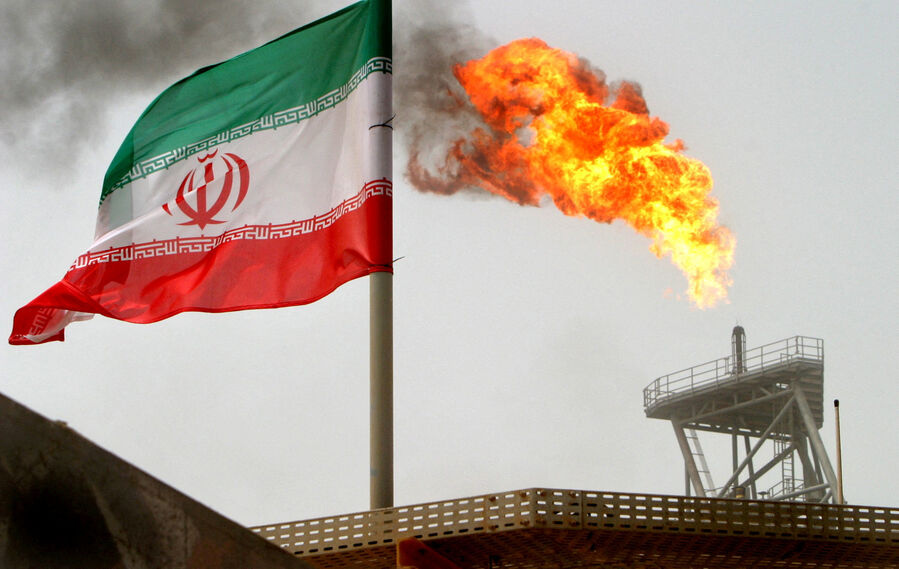
US-Iran Conflict Ignites, Global Arms Race Heats Up, Will Defense Stocks See a New Round of Gains?
TradingKey - On February 28 local time, the United States and Israel launched joint large-scale airstrikes against Iran, targeting its nuclear facilities, missile industry, and naval forces. This marks another sharp escalation in the conflict following the US military strikes on Iranian nuclear facilities in June last year. The military operation not only exacerbates already strained geopolitical tensions but has also sent shockwaves through global capital markets, which is expected to further boost defense stocks.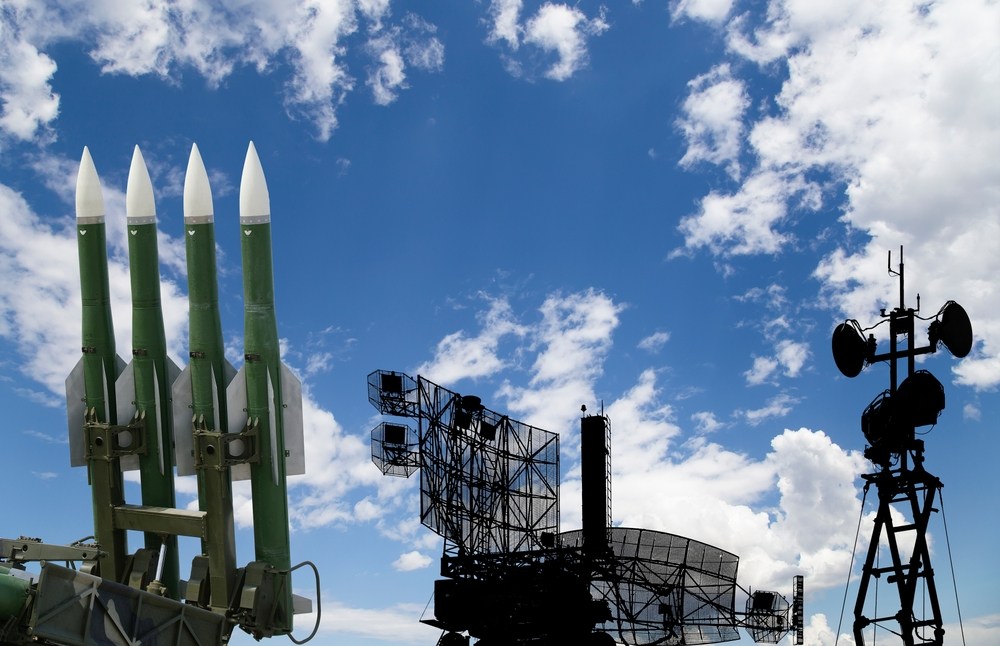
U.S.-Iran Conflict Escalates. Strait of Hormuz Shutdown, How Much Room for Oil Prices to Rise?
TradingKey - A sharp escalation in geopolitical risks has directly triggered intense volatility in global crude oil markets. At the market open this Monday, WTI crude oil futures surged by over 11%, and Brent crude opened up 13%, though these gains subsequently narrowed.
Shiba Inu 2026: L3 Evolution & the Next Bull Run
Discover the Shiba Inu (SHIB) 2026 outlook as it evolves from a meme coin into a sophisticated L3 utility network. This analysis covers the critical $0.00000589 support level, the impact of U.S. government SHIB holdings, and the Shibarium update featuring FHE privacy. Explore the "next Shiba Inu" bu
How Tesla Survives the Cold Winter, Will Tesla Stock Continue to Fall in 2026?
TradingKey — Recently, weighed down by earnings missing expectations and factors such as AI bubble and disruption theories, Tesla (TSLA) shares have continued to slide, falling nearly 20% from their December 2025 peak.