



German 30-year yields set for fourth daily rise; Trump speech in focus

By Sophie Kiderlin
LONDON, Jan 21 (Reuters) - Long-dated German bond yields were headed for a fourth day of gains on Wednesday after one of the heaviest selloffs in Japanese debt in more than 20 years, as investors braced for any more news from U.S. President Donald Trump's appearance at the World Economic Forum.
German 30-year yields were last up around 2 basis points to 3.506%, reversing an earlier decline. They have risen for four days in a row and are set for an 8 bps increase this week, the largest since early December, as prices have fallen.
A selloff in Japanese bonds on Tuesday drove long-dated yields up by the most in a day since 2003 and the turbulence spread to other debt markets, including the euro zone.
"I think the market is digesting a little bit what happened in Japan. Plus, it's certainly in wait-and-see mode before we have more headlines coming from Davos," said Anne Beaudu, deputy head of global aggregate strategies and global fixed income portfolio manager at Amundi.
German 10-year yields, the benchmark for the euro zone, were last around 1 bp higher at 2.871% DET0YR=RR.
Trump is expected to speak at the WEF in Davos later on Wednesday, with markets paying close attention to anything new he says about wanting to buy Greenland and the pushback he has received from European leaders.
The U.S. president has threatened to impose more tariffs on some European countries due to their opposition to his repeated demands, all of which generates uncertainty over the global economic outlook.
"Since the beginning of the year, it's very much about geopolitics," Beaudu said, referencing Trump's external policies. These have implications for Europe and raise questions about how its leaders could react, she added, noting that further developments are expected in the coming days.
Tim Graf, head of macro strategy for EMEA at State Street Markets, said the standoff over Greenland added to market pressure triggered by Japanese bond yield moves earlier in the week.
"But now, today, you get this sort of cooling of market tensions, and especially the JGB market is starting to find some equilibrium," he said.
During Wednesday's session, Japanese bond yields fell sharply, reversing some of Tuesday's jump, with investors taking a dim view of Japanese politicians in pre-election mode and jostling to offer tax cuts in an economy with the heaviest debt burden in the developed world.
Longer-dated bond yields can rise at times of global uncertainty or when expectations for future borrowing increase as investors then require a larger risk premium.
Some investors can often use such selloffs as a point at which to snap up bonds that they believe will regain value.
"There has been a lot of issuance since the beginning of the year. It's continuing. It has been very well absorbed by the market and I don't see any sign of stress on this today," Beaudu said.
Germany on Wednesday sold 30-year bonds for an average yield of 3.49%, higher than the 3.45% achieved in a sale earlier this month. But demand was up, with a bid-to-cover ratio of 2.4 compared with the previous 2.1.
France's 10-year yield was last around 1.7 bps higher at 3.545% after domestic tensions over the country's budget appeared to ease earlier in the week.
Related Articles
Coca Cola (KO) Q4 Earnings Preview: Look for the Upside in the AI Initiatives, not in the Revenue and the EPS
Coca-Cola (KO) enters its fourth-quarter 2025 earnings call tomorrow with significant momentum. However, a fundamental shift is occurring.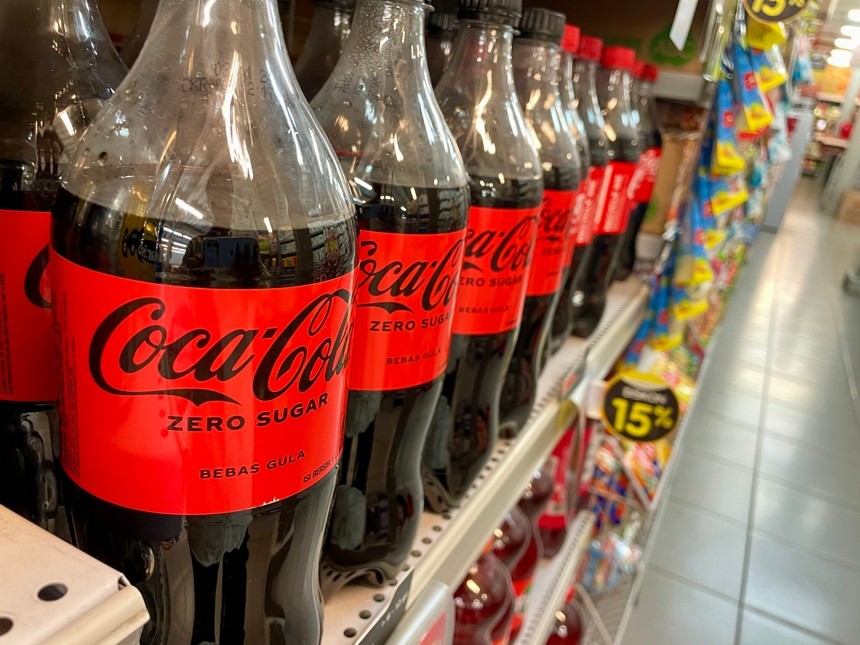
Warsh’s Fed Era Signals a Death Knell for QE, Jolting the $30 Trillion Treasury Market
With Warsh’s nomination, his past proposals for governing the Federal Reserve are being brought to the forefront. A central issue is the formulation of a new "1951 Accord" to restructure the relationship between the Fed and the Treasury. Analysts suggest such a move could impact the $30 trillion Tre
Amazon Stock Predictions for 2026 to 2030: Will They Exceed Expectations and Achieve Major Long-Term Goals?
TradingKey - As we head into 2026, many investors are questioning where Amazon (AMZN) fits into the technology world.
A Crash After a Surge: Why Silver Lost 40% in a Week?
TradingKey - Spot silver (XAGUSD) prices continue to decline. Silver plunged 20% on Thursday, breaking below $71 per ounce, with the sell-off intensifying on Friday as prices fell further below $64. Compared to the all-time high set on January 29, silver prices have retraced more than 40%, wiping out nearly all gains accumulated over the previous month.

