



RPT-BREAKINGVIEWS-Fed meddling shocks signs of life into Congress

By Gabriel Rubin
WASHINGTON, Jan 13 (Reuters Breakingviews) - Political strategists call it the “six-year itch:” the point in a two-term president’s tenure when voter frustration mounts and party discipline crumbles as legislators seek individual paths to political survival. Much of the Republican Party remains in thrall to President Donald Trump and willing to defend his administration’s worst excesses. But the immediate, high-level pushback to the administration’s criminal investigation of Federal Reserve Chair Jerome Powell showed that some members recognize there are risks greater than bucking the White House. It’s the latest and most high-profile instance of rebellion from a largely submissive Congress, and this pushback is growing ahead of November’s midterm elections.
The 24 hours following Powell’s video statement, in which he bluntly stated that the U.S. president was using a criminal probe over building cost overruns to intimidate the Fed, played out in several stages. First came opposition from those with little to lose from opposing Trump: Senator Thom Tillis, a retiring member of the Banking Committee, promised to block Trump’s Fed appointments, followed quickly by Senator Lisa Murkowski, who regularly bucks the president. But it didn’t stop there: House Financial Services Chairman French Hill spoke up, and Senate Majority Leader John Thune said Trump’s Fed nominees were likely going nowhere while the probe continued.
By Monday’s end, Trump denied he had ordered the probe and sources close to Treasury Secretary Scott Bessent were saying he had opposed the investigation from the beginning, as CNN reported. It's a sign that Republican legislators are beginning to calculate that they have more to fear from voters, or from a financial market meltdown, than they do from an unpopular White House.
Small signs of discontent show elsewhere. Seventeen House Republicans voted last week to restore generous healthcare insurance subsidies opposed by the White House. A Senate draft budget agreement, released by Republicans last week, would restore most of the 22% cut to science funding requested by the administration last year. Five Senate Republicans joined Democrats on a vote to deny Trump war powers in Venezuela. All these examples come from the first two weeks of 2026, and do not include ongoing tussles over the release of documents related to late sex offender Jeffrey Epstein.
Political ambition is a key part of the U.S. political system and should be celebrated: it ensures that political actors in co-equal branches of government will act according to their best interests. In a midterm election year with their president’s approval rating hovering below 40%, laws of political ambition would suggest that Republicans put daylight between themselves and the White House. Powell’s public stand flung the shades wide open.
Follow Gabriel Rubin on Bluesky and LinkedIn.
CONTEXT NEWS
Senate Majority Leader John Thune said on Jan. 12 that the Trump administration's threat to indict Federal Reserve Chair Jerome Powell could make it harder for Congress to confirm President Donald Trump's nominees for the U.S. central bank, after two Republican lawmakers threatened to block Fed nominees over the action.
Republicans sweat Trump's approval ratings 
Related Articles
Coca Cola (KO) Q4 Earnings Preview: Look for the Upside in the AI Initiatives, not in the Revenue and the EPS
Coca-Cola (KO) enters its fourth-quarter 2025 earnings call tomorrow with significant momentum. However, a fundamental shift is occurring.
Warsh’s Fed Era Signals a Death Knell for QE, Jolting the $30 Trillion Treasury Market
With Warsh’s nomination, his past proposals for governing the Federal Reserve are being brought to the forefront. A central issue is the formulation of a new "1951 Accord" to restructure the relationship between the Fed and the Treasury. Analysts suggest such a move could impact the $30 trillion Tre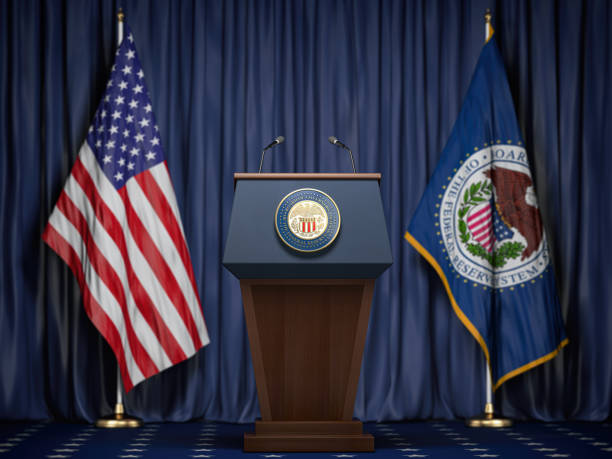
Amazon Stock Predictions for 2026 to 2030: Will They Exceed Expectations and Achieve Major Long-Term Goals?
TradingKey - As we head into 2026, many investors are questioning where Amazon (AMZN) fits into the technology world.
A Crash After a Surge: Why Silver Lost 40% in a Week?
TradingKey - Spot silver (XAGUSD) prices continue to decline. Silver plunged 20% on Thursday, breaking below $71 per ounce, with the sell-off intensifying on Friday as prices fell further below $64. Compared to the all-time high set on January 29, silver prices have retraced more than 40%, wiping out nearly all gains accumulated over the previous month.

