



US judge to block Trump move to end thousands of Latin American migrants' legal status

By Nate Raymond
BOSTON, Jan 9 (Reuters) - A federal judge said on Friday she will block U.S. President Donald Trump's administration from cutting short temporary legal status for 10,000 to 12,000 migrants from Cuba, Haiti, Colombia, Ecuador, El Salvador, Guatemala, and Honduras that allowed them to reunite with family members in the United States.
U.S. District Judge Indira Talwani said during a hearing in Boston she will issue by Monday a temporary restraining order sought by immigrant rights advocates who challenged the U.S. Department of Homeland Security's decision last month to terminate all family reunification parole programs for citizens from the seven nations.
The migrants are among 15,000 who entered the United States through the family reunification programs. They would have been forced as of Wednesday to return to the countries they came from or face deportation as a result of the department's action.
Talwani, who was appointed by Democratic former President Barack Obama, expressed "frustration" with Homeland Security Secretary Kristi Noem's decision to strip them of lawful status, saying the department had not established it had given them the legally required notice it was doing so.
"I have a group of people here who are trying to follow the law, and I’m saying to you that we, America, also need to follow the law," Talwani told a lawyer with the U.S. Department of Justice.
Justin Cox, a lawyer for the plaintiffs, called the agency's move "outrageous," saying 30% of the affected migrants were children, many of whom would be yanked out of schools.
Justice Department attorney Katie Rose Talley countered that Noem had broad discretion to terminate the migrants' grants of parole. “There’s nothing unlawful about that," she said.
CASE CONCERNED BIDEN-ERA PROGRAMS
The move, part of Trump's aggressive immigration agenda, followed actions to cancel hundreds of thousands of humanitarian parole grants that allowed foreign nationals to temporarily live and work in the United States.
The Homeland Security Department announced on December 12 it was ending family reunification parole programs that Democratic President Joe Biden's administration created or modernized in 2022 and 2023, effective January 14.
Under those processes, U.S. citizens or lawful permanent residents, also known as "green card" holders, could apply to serve as sponsors for family members in those seven countries, allowing them to live in the United States while they awaited approval for immigrant visas. Those migrants received three-year initial grants of humanitarian parole.
The department said the programs were abused to allow "poorly vetted aliens to circumvent the traditional parole process." It said terminating the parole grants and migrants' work authorities would allow for "a return to America First."
Immigrant rights advocates sought to block the move through an already-existing class action lawsuit that challenges the administration's rollback of temporary parole granted to hundreds of thousands of migrants from several countries .
Talwani had earlier in that case blocked the administration from ending grants of parole extended to about 430,000 Cubans, Haitians, Nicaraguans and Venezuelans, but the U.S. Supreme Court lifted her order, which an appeals court later overturned.
Related Articles
Coca Cola (KO) Q4 Earnings Preview: Look for the Upside in the AI Initiatives, not in the Revenue and the EPS
Coca-Cola (KO) enters its fourth-quarter 2025 earnings call tomorrow with significant momentum. However, a fundamental shift is occurring.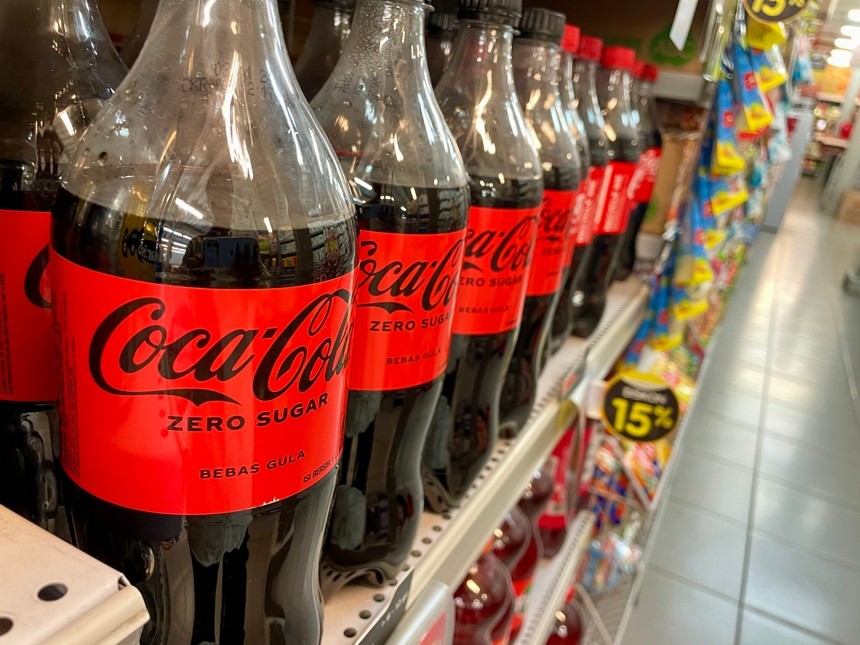
Warsh’s Fed Era Signals a Death Knell for QE, Jolting the $30 Trillion Treasury Market
With Warsh’s nomination, his past proposals for governing the Federal Reserve are being brought to the forefront. A central issue is the formulation of a new "1951 Accord" to restructure the relationship between the Fed and the Treasury. Analysts suggest such a move could impact the $30 trillion Tre
Amazon Stock Predictions for 2026 to 2030: Will They Exceed Expectations and Achieve Major Long-Term Goals?
TradingKey - As we head into 2026, many investors are questioning where Amazon (AMZN) fits into the technology world.
A Crash After a Surge: Why Silver Lost 40% in a Week?
TradingKey - Spot silver (XAGUSD) prices continue to decline. Silver plunged 20% on Thursday, breaking below $71 per ounce, with the sell-off intensifying on Friday as prices fell further below $64. Compared to the all-time high set on January 29, silver prices have retraced more than 40%, wiping out nearly all gains accumulated over the previous month.

