



Insurance industry's focus on hurricane numbers is 'misguided,' says BMS' Siffert

By Mia MacGregor
June 11 - (The Insurer) - The insurance industry's traditional focus on the number of seasonal Atlantic hurricanes is misguided, and the primary concern should be where hurricanes make landfall, according to Andrew Siffert, senior vice president and chief meteorologist at BMS Group.
Highlighting findings from BMS' first Tropical Update for the 2025 Atlantic hurricane season, Siffert noted that while many forecasts predict slightly above-average activity due to warm sea surface temperatures (SSTs) and a neutral-to-La Niña ENSO phase, the crucial factor for insurers is landfall, which directly influences claims and profitability.
Siffert said in a LinkedIn post that in the update "we emphasize that the insurance industry’s traditional fixation on the number of seasonal Atlantic hurricanes is misguided; instead, the key concern should be where hurricanes make landfall".
The BMS Tropical Update analyzes various climate factors — SSTs, ENSO, Saharan Air Layer (SAL), Madden-Julian Oscillation (MJO), and the Atlantic Multi-Decadal Oscillation (AMO) — to understand their impact on storm formation and potential landfalls.
Although SSTs remain warm, they are below the record levels observed in 2023–2024, which supports storm development but does not guarantee intensity or landfall, according to the report.
Additionally, ENSO's current neutral phase suggests a higher likelihood of landfalls, whereas an active SAL might reduce formation and potential landfall occurrences. The MJO affects the timing of landfall and is beneficial for interseasonal forecasting.
As the insurance industry considers forecasts for this season, the report noted that tracking subseasonal shifts like the MJO and SAL and assessing changing landfall probabilities may be more crucial.
BMS recommended shifting focus from storm counts to stress tests and realistic landfall scenarios, rather than worst-case, basin-wide metrics.
“Focus on areas of high exposure concentration and plausible landfall scenarios. We know that a “quiet” season may not be low-risk—if the one landfall is in the wrong place, as the industry does not pay for storms that stay over water, it pays for landfalls,” the report stated.
Related Articles
Coca Cola (KO) Q4 Earnings Preview: Look for the Upside in the AI Initiatives, not in the Revenue and the EPS
Coca-Cola (KO) enters its fourth-quarter 2025 earnings call tomorrow with significant momentum. However, a fundamental shift is occurring.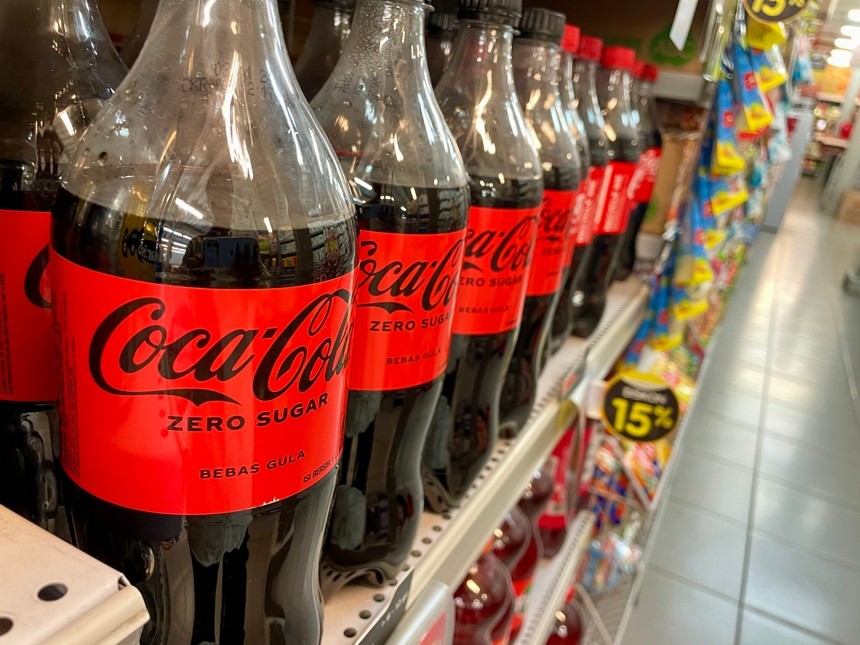
Warsh’s Fed Era Signals a Death Knell for QE, Jolting the $30 Trillion Treasury Market
With Warsh’s nomination, his past proposals for governing the Federal Reserve are being brought to the forefront. A central issue is the formulation of a new "1951 Accord" to restructure the relationship between the Fed and the Treasury. Analysts suggest such a move could impact the $30 trillion Tre
Amazon Stock Predictions for 2026 to 2030: Will They Exceed Expectations and Achieve Major Long-Term Goals?
TradingKey - As we head into 2026, many investors are questioning where Amazon (AMZN) fits into the technology world.
A Crash After a Surge: Why Silver Lost 40% in a Week?
TradingKey - Spot silver (XAGUSD) prices continue to decline. Silver plunged 20% on Thursday, breaking below $71 per ounce, with the sell-off intensifying on Friday as prices fell further below $64. Compared to the all-time high set on January 29, silver prices have retraced more than 40%, wiping out nearly all gains accumulated over the previous month.

