



JGB yields pare rise on report Japan to consider buying back bonds

By Kevin Buckland
TOKYO, June 9 (Reuters) - Japanese government bond yields pared earlier advances on Monday following a report that the Ministry of Finance is considering buying back some super-long bonds it issued at low interest rates.
Such a move would come on top of an expected government plan to trim issuance of the longest-dated debt in the wake of sharp rises in yields last month, Reuters reported citing two sources with direct knowledge of the plan.
The 10-year JGB yield JP10YTN=JBTC ended the day flat at 1.455% and briefly dipped to 1.450% following the report. It had earlier risen as high as 1.475%.
JGB yields were initially pulled higher by an advance for U.S. Treasury yields after resilient labour market data on Friday saw traders pare back bets for a near-term Federal Reserve interest rate cut.
Traders now see 63% odds of a Fed cut by September, down from 74% before the monthly payrolls report.
The 30-year JGB yield JP30YTN=JBTC was 1.5 bps higher at 2.89%, but down from as high as 2.92% earlier on Monday.
The five-year yield JP5YTN=JBTC ended 1 bp higher at 1.02%, paring a 2 bps advance.
The 20-year JP20YTN=JBTC and two-year JP2YTN=JBTC hadn't changed hands following the Reuters report, and remained 3 bps higher at 2.36% and 1.5 bps higher at 0.775%, respectively.
Super-long JGB yields pushed to a quarter-century high of 2.600% for 20-year JGBs and a record 3.185% for 30-year JGBs last month, as investors shied away from the longest-dated securities amid growing angst about developed-nation deficits, including in Japan.
The rise was later exacerbated by poor results at super-long JGB auctions.
However, the finance ministry's pledge to examine reduced issuance of super-long debt marked a turning point for the JGB market.
Now, in the event of a poor JGB auction, investors still buy the bonds in the belief that the finance ministry will pare issuance even more, said Yunosuke Ikeda, chief macro strategist at Nomura.
"A kind of built-in stabilization system is at work," Ikeda said.
"In that sense, we can say The worst period is over."
Related Articles
Coca Cola (KO) Q4 Earnings Preview: Look for the Upside in the AI Initiatives, not in the Revenue and the EPS
Coca-Cola (KO) enters its fourth-quarter 2025 earnings call tomorrow with significant momentum. However, a fundamental shift is occurring.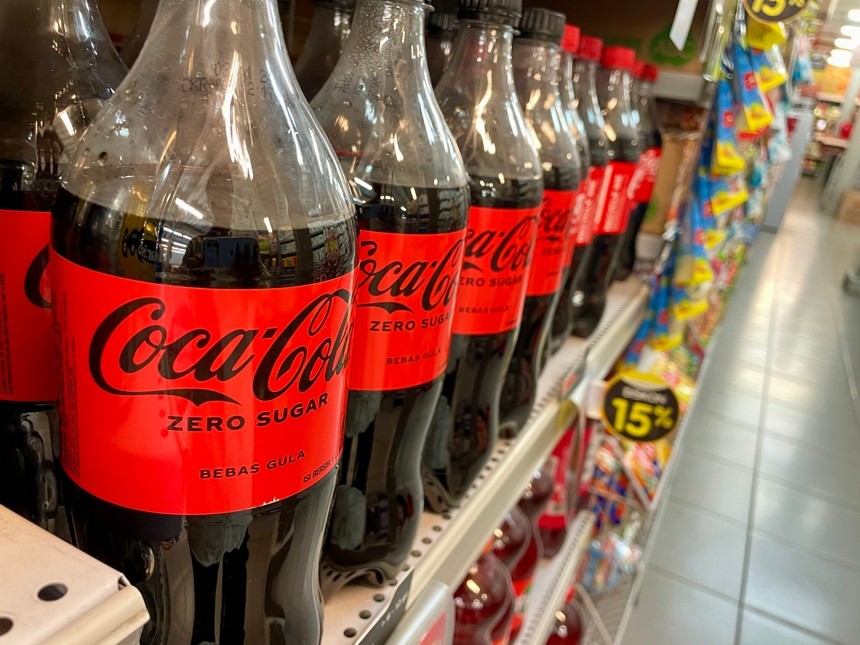
Warsh’s Fed Era Signals a Death Knell for QE, Jolting the $30 Trillion Treasury Market
With Warsh’s nomination, his past proposals for governing the Federal Reserve are being brought to the forefront. A central issue is the formulation of a new "1951 Accord" to restructure the relationship between the Fed and the Treasury. Analysts suggest such a move could impact the $30 trillion Tre
Amazon Stock Predictions for 2026 to 2030: Will They Exceed Expectations and Achieve Major Long-Term Goals?
TradingKey - As we head into 2026, many investors are questioning where Amazon (AMZN) fits into the technology world.
A Crash After a Surge: Why Silver Lost 40% in a Week?
TradingKey - Spot silver (XAGUSD) prices continue to decline. Silver plunged 20% on Thursday, breaking below $71 per ounce, with the sell-off intensifying on Friday as prices fell further below $64. Compared to the all-time high set on January 29, silver prices have retraced more than 40%, wiping out nearly all gains accumulated over the previous month.

