CAC: US property insurance softening quickly but rate decreases could dry up if hurricane season active

By Michael Loney
May 14 - (The Insurer) - The U.S. commercial insurance rate forecast is varied, with rates falling for property, D&O and cyber and rising for casualty lines, although property decreases “may start to dry up” if the hurricane season is active, CAC Group said.
In a state of the market update, CAC said that the forecast for U.S. commercial lines remains stable in 2025, largely driven by consistently strong underwriting performance and aggressive repricing of risks in most lines over the last few years.
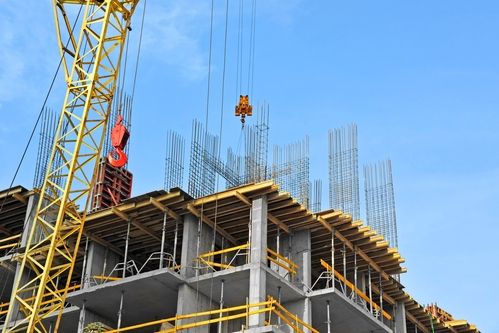
The U.S. insurance broker also highlighted that the economic impact of tariffs will likely lead to increased pressure on replacement costs for insurers as the prices for building materials and automotive components increase.
The property market is expected to remain stable despite recent catastrophes. Most buyers have been able to achieve rate decreases for the first time in recent years.
Carriers have increasing concern around the credibility of using historical loss experience to help predict future loss activity, with climate change and urban sprawl creating large losses that had not been previously considered.
Discussing the market with The Insurer at RIMS’ Riskworld conference in Chicago last week, Nate Baseman, EVP of analytics at CAC, said that the changes in property rate activity have been “quite substantial" in the past couple of months.
“It has softened pretty quickly,” he said.
Baseman said that this is because the market has taken a lot of rate in recent years, and rate increases were lower than expected at this year’s reinsurance renewals.
However, he highlighted increased tornado activity, heightened wildfires losses and predictions for increased hurricane activity this year.
Casualty lines of business other than workers’ compensation have produced average combined ratios exceeding 105% in the past five years, totaling a net underwriting loss of more than $43 billion, the CAC update said.
Severity of claims has essentially doubled during this time span, further pressuring carrier profitability.
Despite a restricted appetite, there is minimal concern around capacity in the market. CAC said that desired coverage levels can still be obtained, but at an increased cost with more participants, smaller layers and higher retentions.
CAC forecasts hardening for auto liability, general liability and umbrella excess, with the latter seeing the highest rate change and the most restrictive underwriting and coverage.
Workers’ compensation continues to deliver the most profitable underwriting results of any casualty line. The line has reduced frequency and increasing severity. It continues to benefit from favourable reserve development.
Baseman said that the casualty market is battling nuclear verdicts activity that is not slowing down.
“I think a lot of insurance carriers kind of underestimated the jump (in severity) over the last couple years, and now are trying to address it, either through reduction in capacity or rate increases,” he said.
Baseman said both the cyber and D&O markets are still seeing rate decreases amid buyer-friendly markets, noted some pressure for rate stabilisation in both markets.
The CAC update said that concerning trends in the cyber market include geopolitical tensions, increased integration and dependency on supply chain, adoption of emerging technologies such as GenAI, evolving regulatory requirements, and the widening skill gap for cybersecurity professionals.
Baseman mentioned that CAC is monitoring the lower premium base in the D&O market resulting from the rate decreases.
“We’re a little bit concerned about whether there is potential to delay some claims payments to monitor some of the cash flow, and there's increased use of outside counsel. So we're just monitoring that to make sure that on behalf of our clients that it's not a trend,” he said.