



DOJ watchdog says silence is not 'consent' in Container Store bankruptcy

By Dietrich Knauth
Jan 21 (Reuters) - A Department of Justice watchdog on Tuesday challenged a popular Texas bankruptcy court's practice of approving broad legal protections for a bankrupt company’s directors, officers and other non-debtors, saying that creditors who do not "opt out" cannot be assumed to consent to a deal.
The DOJ's Office of the U.S. Trustee filed its objection in The Container Store's bankruptcy case, arguing that Texas state law does not support the retailer’s argument that creditors consented to release potential legal claims against the company's officers and other non-debtors because they had not returned an "opt out" form in the bankruptcy.
U.S. federal bankruptcy law does not define “consent,” so the court should apply Texas contract law in its ruling, the U.S. Trustee said.
The Houston bankruptcy court where The Container Store filed for Chapter 11 has previously erred by allowing the use of “opt out” consent in recent bankruptcy cases, the U.S. Trustee argued.
The U.S. Trustee asked the court not to approve The Container Store's proposed debt restructuring.
The Container Store declined to comment.
Debates over what “consent” entails have roiled bankruptcy courts across the U.S. since last summer’s blockbuster U.S. Supreme Court ruling in Purdue Pharma's bankruptcy.
The Supreme Court blocked the OxyContin maker from using non-consensual releases to shield its wealthy Sackler family owners from lawsuits over their role in the nation's deadly opioid epidemic, but it did not define “consent.”
Since then, courts have split on the issue, with some judges ruling that creditors must affirmatively consent to settlements that release their legal claims. Conversely, Houston’s bankruptcy court has embraced opt-outs in cases like the bankruptcy of appliance component manufacturer Robertshaw U.S. Holdings, ruling that opt-outs can be appropriate if creditors are informed about the non-debtor release and given the opportunity to speak up.
The Container Store filed for bankruptcy protection on Dec. 23, seeking to cut $45 million in debt after its sales faltered due to high inflation and reduced consumer spending.
U.S. Bankruptcy Judge Alfredo Perez is scheduled to consider approval of The Container Store's debt deal at a Jan. 24 court hearing. The debt restructuring would also grant legal protections to “numerous known and unknown third parties,” including the company’s lenders and current and former directors, officers and equity holders, according to the U.S. Trustee’s objection.
The case is In re: The Container Store Group Inc, U.S. Bankruptcy Court for the Southern District of Texas, No. 24-90627
For the U.S. Trustee: Ha Nguyen of the Office of the U.S. Trustee
For The Container Store: Tad Davidson and Ashley Harper of Hunton Andrews Kurth; George Davis, Hugh Murtagh and Ted Dillman of Latham & Watkins
Read more:
Home goods retailer The Container Store files for bankruptcy protection
US Supreme Court Purdue ruling makes mass litigation tougher to resolve in bankruptcy
US Supreme Court blocks Purdue Pharma bankruptcy settlement
(Reporting by Dietrich Knauth in New York)
Related Articles
Coca Cola (KO) Q4 Earnings Preview: Look for the Upside in the AI Initiatives, not in the Revenue and the EPS
Coca-Cola (KO) enters its fourth-quarter 2025 earnings call tomorrow with significant momentum. However, a fundamental shift is occurring.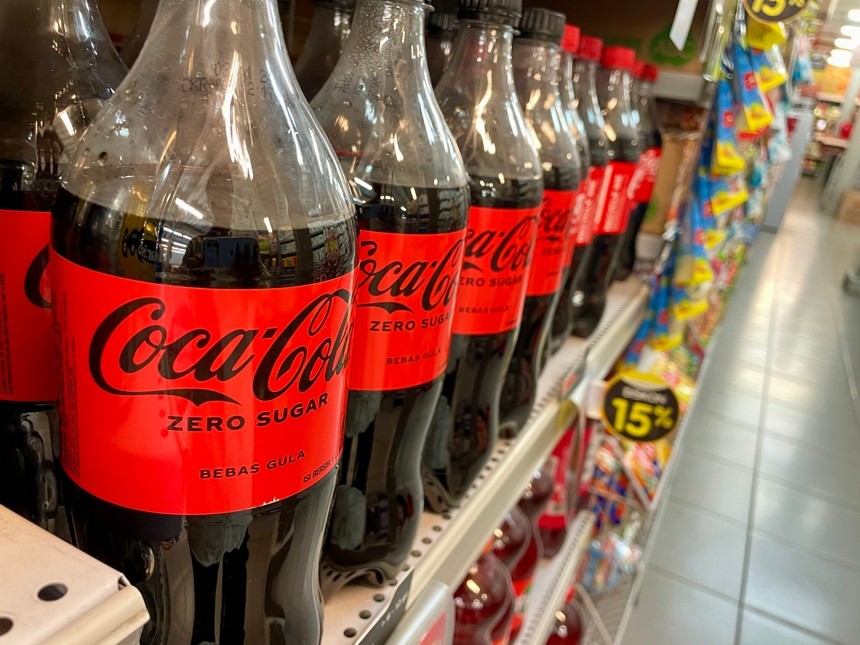
Warsh’s Fed Era Signals a Death Knell for QE, Jolting the $30 Trillion Treasury Market
With Warsh’s nomination, his past proposals for governing the Federal Reserve are being brought to the forefront. A central issue is the formulation of a new "1951 Accord" to restructure the relationship between the Fed and the Treasury. Analysts suggest such a move could impact the $30 trillion Tre
Amazon Stock Predictions for 2026 to 2030: Will They Exceed Expectations and Achieve Major Long-Term Goals?
TradingKey - As we head into 2026, many investors are questioning where Amazon (AMZN) fits into the technology world.
A Crash After a Surge: Why Silver Lost 40% in a Week?
TradingKey - Spot silver (XAGUSD) prices continue to decline. Silver plunged 20% on Thursday, breaking below $71 per ounce, with the sell-off intensifying on Friday as prices fell further below $64. Compared to the all-time high set on January 29, silver prices have retraced more than 40%, wiping out nearly all gains accumulated over the previous month.

