


Ryanair Holdings PLC Stock (RYAAY) Closed Down by 7.34% on Apr 16: What Signal Does It Send?



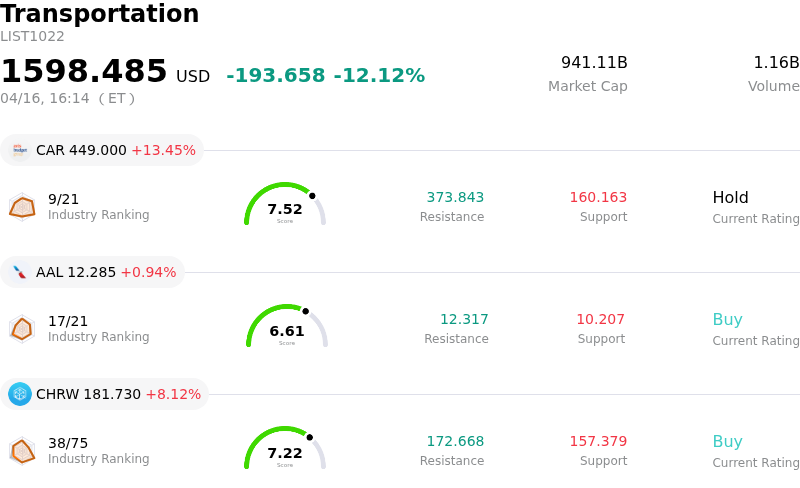
Ryanair Holdings PLC (RYAAY) closed down by 7.34%. The Transportation sector is down by 12.12%. The company outperformed the industry. Top 3 stocks by turnover in the sector: Avis Budget Group Inc (CAR) up 13.45%; American Airlines Group Inc (AAL) up 0.94%; CH Robinson Worldwide Inc (CHRW) up 8.12%.
What is driving Ryanair Holdings PLC (RYAAY)’s stock price down today?
RYAAY experienced a notable downturn in its share price today, influenced by several factors impacting the broader European airline sector and the company specifically. A significant driver appears to be a cautionary trading update from a direct competitor, EasyJet, which highlighted rising operational costs, increased fuel expenses, and softer booking trends for the upcoming summer season. This news dampened investor sentiment across the industry, as similar cost pressures and demand fluctuations could affect Ryanair.
Adding to these concerns, the airline industry is facing escalating warnings regarding potential jet fuel shortages. European airports cautioned earlier this month that systemic shortages could manifest from late April, posing risks of schedule disruptions and cuts for low-cost carriers. Furthermore, the head of the International Energy Agency issued a stark warning today about Europe's limited jet fuel reserves, suggesting that flight cancellations could occur soon if oil supplies remain constrained due to ongoing geopolitical conflicts. Ryanair's CEO had previously articulated worries about potential travel chaos for summer 2026 stemming from fuel shortages linked to the conflict in Iran, underscoring the company's exposure to these macroeconomic and geopolitical risks. These industry-wide pressures were further evidenced by Lufthansa Group's announcement to accelerate fleet reductions, citing rapidly increasing fuel costs.
The company also faces an ongoing challenge from increasing regulatory and cost burdens within the European operating environment, which some reports indicate could make the low-cost model more difficult to sustain. While Ryanair has recently demonstrated strong financial performance and continues its share buyback program, the confluence of a competitor's negative outlook and heightened industry-wide concerns over fuel availability and costs likely contributed to the stock's negative movement.
Technical Analysis of Ryanair Holdings PLC (RYAAY)
Technically, Ryanair Holdings PLC (RYAAY) shows a MACD (12,26,9) value of [-0.81], indicating a neutral signal. The RSI at 51.08 suggests neutral condition and the Williams %R at -41.82 suggests oversold condition. Please monitor closely.
Fundamental Analysis of Ryanair Holdings PLC (RYAAY)
Ryanair Holdings PLC (RYAAY) is in the Transportation industry. Its latest annual revenue is $14.97B, ranking 5 in the industry. The net profit is $1.73B, ranking 3 in the industry. Company Profile
Over the past month, multiple analysts have rated the company as Buy, with an average price target of $76.27, a high of $91.00, and a low of $65.91.
More details about Ryanair Holdings PLC (RYAAY)
Company Specific Risks:
- Ryanair is undertaking significant capacity cuts and route cancellations across Europe (including Germany, Spain, and Belgium) due to ongoing disputes with local governments and airport operators over rising airport charges and aviation taxes, which could negatively impact revenue and market presence.
- The company faces substantial exposure to future fuel price volatility as analysts have noted its zero fuel hedging position for fiscal year 2028, coinciding with geopolitical tensions and surging oil prices that could lead to increased operational costs.
- Persistent labor disputes and legal challenges related to employment practices and alleged breaches of labor laws across various European countries continue, with recent court rulings in Belgium determining certain booking practices and "hidden" fees as unlawful.
- There is an immediate risk of widespread jet fuel shortages across Europe, potentially forcing 5-10% flight cancellations for summer 2026, driven by geopolitical instability and the threat of a Strait of Hormuz blockade.
This article may include AI-generated content that is human-reviewed, which is for reference and general information purposes only and does not constitute investment advice.
Recommended Articles









Comments (0)
Click the $ button, enter the symbol, and select to link a stock, ETF, or other ticker.