Aussie set for first weekly fall in eight, still resilient amid Iran war

By Stella Qiu
SYDNEY, March 6 (Reuters) - The Australian dollar is set for the first weekly fall in eight as markets slid on economic fears of a protracted Middle East war, though a hefty yield buffer and Australia's limited exposure to energy shocks helped it hold above 70 cents.
Reports of attacks on oil tankers in Gulf waters and Chinese measures to reduce fuel exports sent crude oil prices up $6 a barrel overnight, raising fears of higher inflation and slower growth, a recipe for global stagflation.
The Aussie inched up 0.2% on Friday to $0.7020 AUD=D3, having slid about 1% overnight to as low as $0.6974. Often sold as a proxy for global risk, the currency was set for a weekly decline of 1.4% but it has done relatively well holding above 70 cents.
"In G10 FX, we favour exposure to currencies supported by strong secular tailwinds and limited exposure to energy risks (such as the AUD)," said analysts at Barclays in a note to clients.
"This, in our view, is testament to Australia's strong fundamentals and the AI linked commodity cycle, which has dampened traditional risk sentiment correlations."
Australia is a net exporter of liquefied natural gas and coal, but a net importer of oil products with only two remaining oil refineries. Still, it is better-placed than Europe and Japan, which are major importers of energy.
A chunky yield advantage is another factor in the Aussie's favour as global bond markets reprice inflation risks from the Middle East war. Two-year U.S. Treasury yields US2YT=RR jumped 20 basis points this week as futures pared back bets for policy easing from the Federal Reserve this year to 40 bps, down from more than 50 bps last week.
That spilled over to Australia, as swaps imply there is a 33% chance that the Reserve Bank of Australia may have to raise rates again to 4.1% this month. A hike is fully priced in for May, with another one to come by the end of the year. 0#AUDIRPR
Australian three-year bond yields AU3YT=RR surged 18 bps this week to 4.436%, the highest since November 2023. Spreads over Treasuries remained wide at 80 basis points, having reached levels last seen in mid-2016.
Across the Tasman Sea, the kiwi dollar NZD=D3 also rose 0.2% to $0.5907 NZD=D3, after falling 0.8% overnight to as far as $0.5874. It is down 1.5% for the week.
Investors are now wagering on an 80% probability that the Reserve Bank of New Zealand will raise rates from 2.25% in September, with a total tightening of 40 bps for the year, much more hawkish than the RBNZ's own forecasts that showed even one rate hike is not fully baked in for the year.
Related Articles
Oil Prices Surge. Trump Says Not Worried, US Treasury May Intervene in Crude Oil Futures for First Time
TradingKey - Global markets were spooked by crude oil supply shocks triggered by the escalation of hostilities in the Middle East. U.S. benchmark crude oil futures surged this Thursday, recording their largest single-day closing gain since 2020. U.S. Interior Secretary Burgum subsequently confirmed that the Trump administration is weighing a series of response options, stating that "all options are on the table," including measures for immediate impact as well as more complex long-term solutions.
Oil vs. Gold: Which Is the Strongest ‘Safe Haven’ Amid Middle East Chaos?
Tensions in the Middle East have driven a sustained surge in crude oil prices, while gold prices retreated after hitting a high, leading to a widening divergence between the two.
Reddit Stock May Be Your Best Choice When Investing in Growth Stocks in 2026
TradingKey - In analyzing compounding growth stocks for 2026, the focus has changed from user growth to platform growth. An example is Reddit (RDDT), which creates value in an era of AI skepticism because of its community-fueled, user-generated solutions to product questions. Reddit’s stock will ali
Middle East Conflict Intensifies. Global Aluminum Supply Chain Faces Crisis, Aluminum Prices Surge to Highest Level Since 2022
TradingKey - The sharp escalation of geopolitical conflicts in the Middle East has triggered market panic regarding disruptions to key supply chains, directly pushing up global aluminum prices and disrupting the established rhythm of international commodity trade. As tensions between the U.S. and Iran intensify, Iran's threat to close the Strait of Hormuz poses a direct threat to the supply chain security of Middle Eastern aluminum smelters, which account for 9% of global production capacity.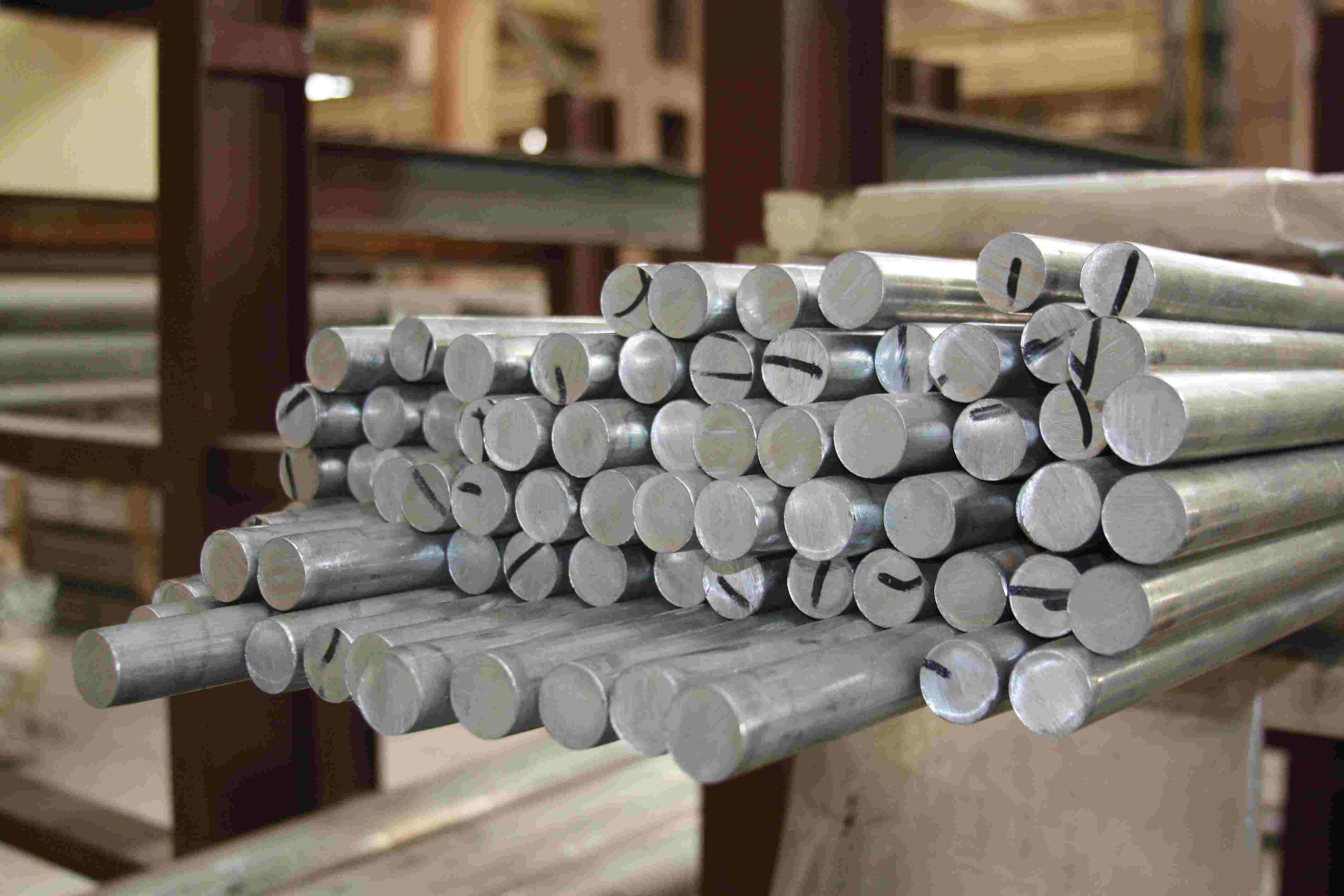
Is GE Vernova an Energy Stock You Should Buy in 2026?
TradingKey - GE Vernova (GEV), the global energy infrastructure company, was spun off from General Electric (GE) in 2024. It develops, produces, and services equipment for the generation and transmission of electricity, including gas and steam turbines, wind turbines, as well as grid infrastructure