EMERGING MARKETS-EM stocks at two-month lows as Asian market dragged down on energy concerns

By Twesha Dikshit
March 4 (Reuters) - Emerging market equities deepened their sell-off on Wednesday, with Korea's stock rout and broader declines in Asia weighing on the broader index, as the intensifying Middle East war led to concerns over energy supplies that could drive inflation higher.
Tehran has responded to the U.S.-Israeli war by attacking ships and energy facilities and forcing production stoppages from Qatar to Iraq. U.S. President Donald Trump said the U.S. Navy could begin escorting oil tankers through the waterway if necessary.
Asian markets faced the brunt of oil supply shock concerns due to the regions heavy reliance on imports shipped through the Strait of Hormuz, which has been halted by Iran.
Korean stocks .KS11 sank 12.1%, posting the biggest drop in its 46-year history, while the won KRW= briefly fell below a psychological barrier of the 1,500 mark.
"The sharp move in South Korean equities and ongoing weakness in the KRW this week underscores energy supply risk for manufacturing-based APAC economies," said Geoff Yu, BNY's EMEA macro strategist.
"The experience of 2022 to 2023 shows that trade surpluses and high savings buffers can be run down very quickly in the event of an energy supply shock."
The MSCI emerging markets equities index .MSCIEF dropped 3.8% to two-month lows with EM stocks on track for the largest weekly decline since the 2008 financial crisis, if losses hold.
A corresponding currencies gauge .MIEM00000CUS edged down 0.2%, as the U.S. dollar regained its safe haven appeal. The index was set for its biggest weekly decline since the COVID turmoil in early 2020.
STOCKS MIXED AS REGIONAL IMPACT DIFFERS
Bourses in the Middle East were mixed with those in Qatar .QSI and Saudi Arabia <.TASI> recovering from recent losses. Stocks in Dubai .DFMGI and Abu Dhabi .FTFADGI tumbled 4.7% and 3.4%, respectively, reopening after a two-day pause following Iran's attacks on the Gulf nation.
Emerging Europe equities regained some losses from the previous sessions, with Poland's benchmark index .WIG20 rising 1.7% ahead of a monetary policy decision later in the day.
The National Bank of Poland is widely expected to lower interest rates by 25 bps, but the tensions in the Middle East have interjected uncertainty that could alter the rate path.
Indexes in Romania .BETI and Greece .ATG were up 1.1% and 2%, respectively.
South African stocks .JTOPI edged higher with the top gold-exporter aided by a rise in the metal's prices.
The Hungarian forint EURHUF= was 0.6% weaker against the euro and significantly lower for the week. The Czech crown EURCZK= ticked lower, while other regional currencies were range bound.
The Czech central bank could have limited room for any interest rate easing after last week's Middle East developments, the bank's vice-governor Jan Frait told news website Seznam Zpravy.
Elsewhere, Asian stocks posted significant declines with those in Thailand .SETI and Taiwan .TWII falling 5.3% and 4.4%, respectively. Indonesia's blue-chip index .JKSE lost 4.6% with Fitch revising the country's sovereign credit rating outlook to negative from stable.
For TOP NEWS across emerging markets nTOPEMRG
For CENTRAL EUROPE market report, see CEE/
For TURKISH market report, see .IS
For RUSSIAN market report, see RU/RUB
Related Articles
Here Are US Stock Winners Following the Iran Attacks
Tradingkey - On Tuesday, U.S. equities extended their slide as rising oil prices and the specter of war in Iran rippled through global markets. The Dow Jones Industrial Average at one point plunged more than 1,000 points.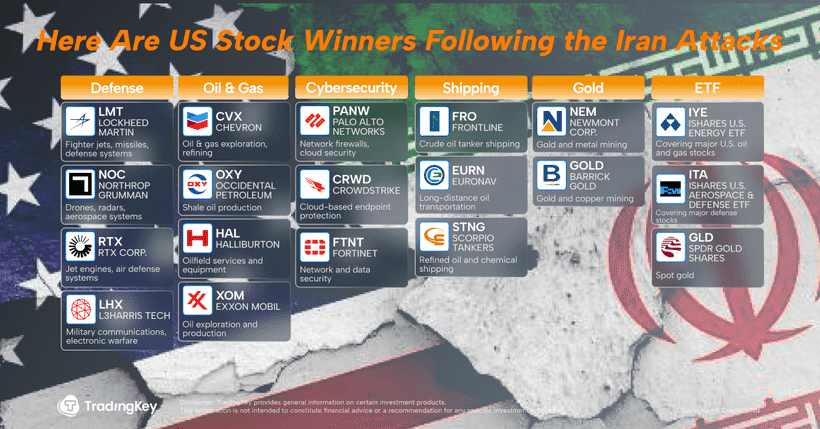
Middle East Conflict Escalates, Global Stocks and Bonds Fall, Was It Really Caused by One Sentence From Trump?
TradingKey - On Tuesday local time, the escalation of conflict in the Middle East triggered intense global market volatility. Gold (XAUUSD), bonds, and stocks fell in tandem, an unconventional movement that shattered the conventional logic of "buying safe havens during turmoil and trading stocks during stability."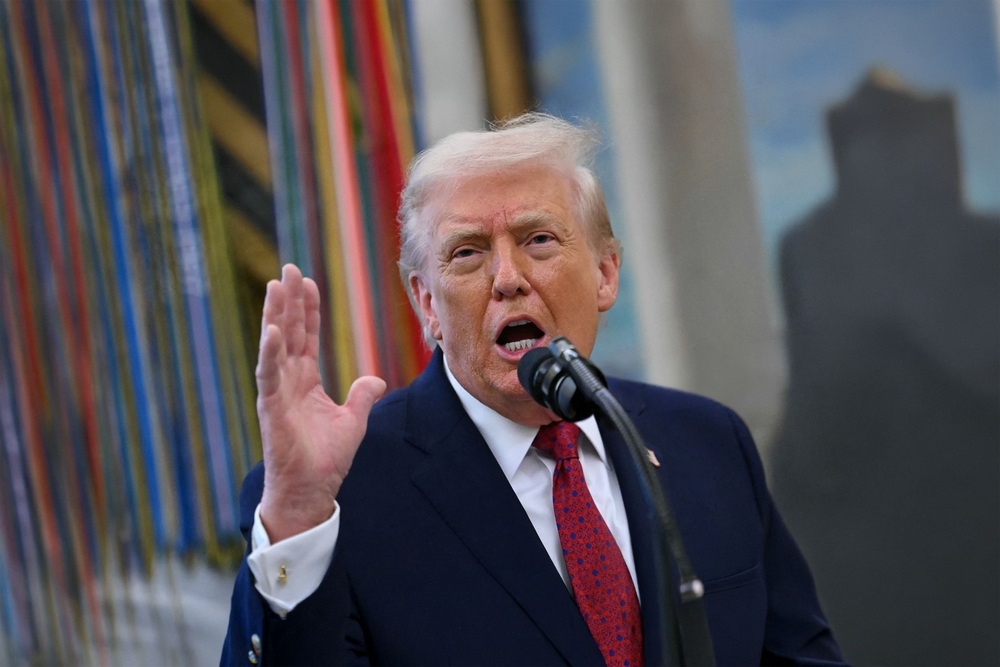
Gold’s $5,000 Breaking Point: Why the Middle East Crisis Isn't Saving the Bulls
As US-Iran tensions continue to escalate, gold prices saw a sudden plunge. Has the metal already peaked?
Partnering With Lumentum and Coherent, Can Nvidia’s $4 Billion CPO Bet Support the Future of AI Computing Power?
TradingKey - On Monday, March 2 local time, NVIDIA (NVDA) announced that it has entered into a deep strategic partnership with optical technology manufacturers Lumentum (LITE) and Coherent (COHR). NVIDIA will invest $2 billion in each company, totaling a massive $4 billion investment. This move advances NVIDIA's strategic layout in the field of AI data center network architecture to a new stage.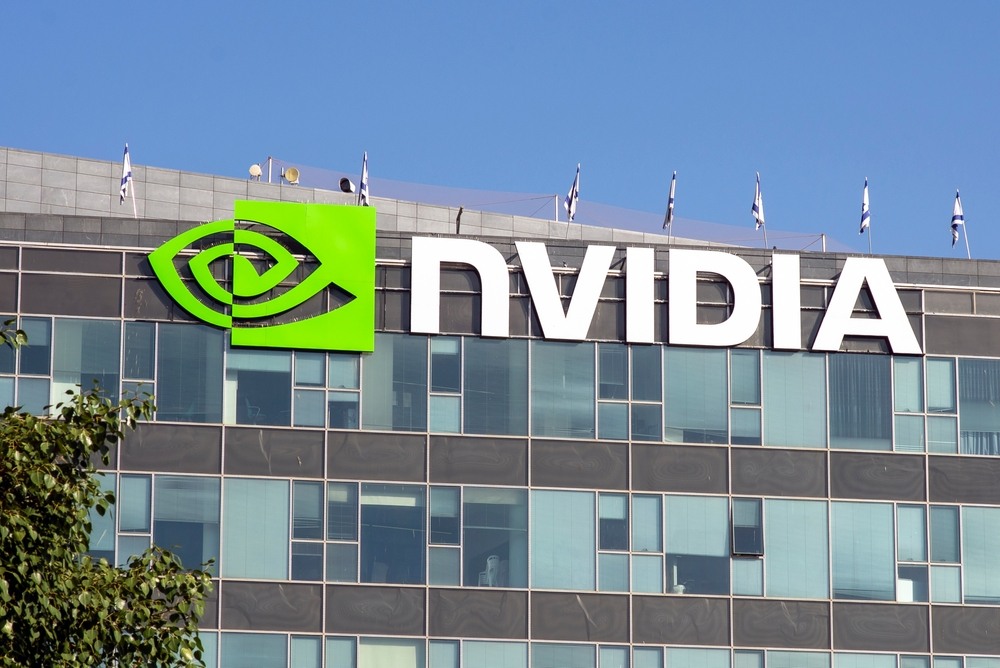
AGI Approaches: 2026 May Be Artificial Intelligence Turning Point, Musk Warns White-Collar Class Will Bear the Brunt
TradingKey — Have you noticed that the pace of artificial intelligence evolution is exceeding the limits of human intuitive perception? From the debut of ChatGPT to the rapid rise of multimodal AI systems, the development of AI technology has demonstrated a non-linear, exponential acceleration in ju