Sterling hits 2-1/2-month low against dollar, edges down versus euro

By Stefano Rebaudo and Ozan Ergenay
March 2 (Reuters) - Sterling hit a 2‑1/2‑month low against the dollar and edged down versus the euro on Monday, as the Iran conflict sent investors into safe‑haven assets while concerns over the Bank of England’s policy path weighed on the British currency.
The dollar rose as the Iran conflict fuelled safe‑haven demand, and higher oil prices.
Sterling fell 0.68% to $1.3393, after reaching $1.3315, its lowest level since December 17.
As well as events in the Middle East, sterling is being affected by domestic politics after a local election in northern England brought a resounding defeat for Prime Minister Keir Starmer's Labour party, raising speculation that the government could move further to the left and increase government spending.
Barclays strategists argued that the growing influence of Labour’s soft‑left faction could justify expectations for more fiscal spending and a higher premium in the pound.
At about 0.88 in the euro/pound cross that premium has grown to around 2%, Barclays estimated. It could widen further in the near-term depending on political developments.
The euro was up 0.05% at 87.68 pence EURGBP=D3.
“For now, sterling and gilts are signalling caution rather than stress, but with political uncertainty rising and the policy trajectory appearing less predictable, the pound’s capacity to rebound looks limited until Labour provides clearer direction," said George Vessey, lead forex and macro strategist at Convera.
Strategists argued that short‑dated gilt yields close to multi‑year lows are consistent with the broader data trajectory and a dovish shift at the Bank of England, reinforcing expectations of sterling underperformance.
The yield on British 2-year government bonds
German 2-year yields rose as inflation concerns mounted.
Related Articles
JPMorgan Warns Hormuz Blockade Risks Oil Shutdown in 25 Days, But How Will the US-Iran Conflict Shape Global Oil Prices?
TradingKey - Following the announcement on the night of February 28 banning all vessels from passing through the Strait of Hormuz, JPMorgan Chase issued a warning: if the Strait of Hormuz is completely blocked, the combined onshore and offshore storage capacity of Middle Eastern oil-producing nation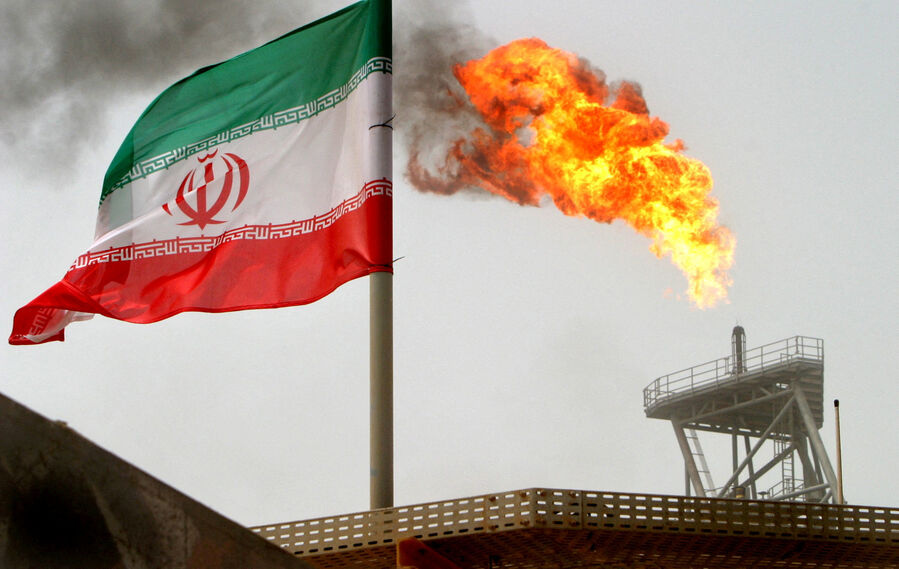
US-Iran Conflict Ignites, Global Arms Race Heats Up, Will Defense Stocks See a New Round of Gains?
TradingKey - On February 28 local time, the United States and Israel launched joint large-scale airstrikes against Iran, targeting its nuclear facilities, missile industry, and naval forces. This marks another sharp escalation in the conflict following the US military strikes on Iranian nuclear facilities in June last year. The military operation not only exacerbates already strained geopolitical tensions but has also sent shockwaves through global capital markets, which is expected to further boost defense stocks.
U.S.-Iran Conflict Escalates. Strait of Hormuz Shutdown, How Much Room for Oil Prices to Rise?
TradingKey - A sharp escalation in geopolitical risks has directly triggered intense volatility in global crude oil markets. At the market open this Monday, WTI crude oil futures surged by over 11%, and Brent crude opened up 13%, though these gains subsequently narrowed.
Shiba Inu 2026: L3 Evolution & the Next Bull Run
Discover the Shiba Inu (SHIB) 2026 outlook as it evolves from a meme coin into a sophisticated L3 utility network. This analysis covers the critical $0.00000589 support level, the impact of U.S. government SHIB holdings, and the Shibarium update featuring FHE privacy. Explore the "next Shiba Inu" bu
How Tesla Survives the Cold Winter, Will Tesla Stock Continue to Fall in 2026?
TradingKey — Recently, weighed down by earnings missing expectations and factors such as AI bubble and disruption theories, Tesla (TSLA) shares have continued to slide, falling nearly 20% from their December 2025 peak.