RUBBER-Japan futures snaps five-day rally as oil plummets

By Ruth Chai
April 8 (Reuters) -
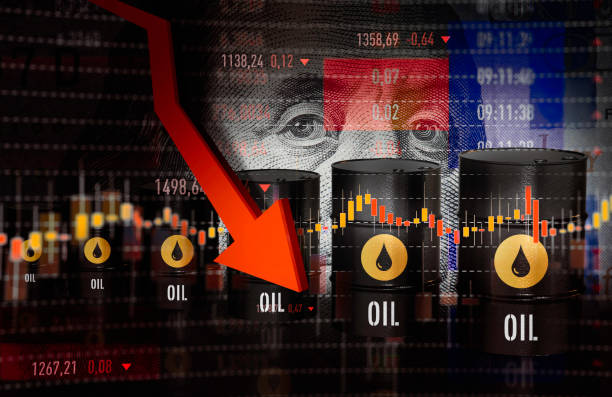
Japanese rubber futures fell for the first time in five sessions on Wednesday, as oil plummeted after a ceasefire agreement was reached in the Middle East conflict, with Iran allowing the safe passage of oil and gas through the Strait of Hormuz.
The Osaka Exchange (OSE) rubber contract for September delivery JRUc6, 0#2JRU: was down 0.9 yen, or 0.23%, at 396.5 yen ($2.51) per kg.
The rubber contract on the Shanghai Futures Exchange (SHFE) for May delivery SNRv1 fell 15 yuan, or 0.09%, to 16,985 yuan ($2,488.64) per metric ton.
The most active May butadiene rubber contract on the SHFE SHBRv1 slumped 1,370 yuan, or 7.71%, to 16,405 yuan per metric ton.
Prices of Shanghai butadiene rubber fell below that of natural rubber for the first time in three weeks, since March 24.
U.S. President Donald Trump on Tuesday agreed to a two-week ceasefire with Iran, as the latter agreed to pause its blockade of oil and gas supplies through the Strait of Hormuz.
Iran's foreign minister, Abbas Araqchi, said in a statement that Tehran would stop counter-attacks and provide safe passage through the waterway.
Oil fell below $100 per barrel on Wednesday, with Brent futures LCOc1 falling $14.51, or 13.3%, to $94.76 a barrel at 0330 GMT, while WTI CLc1 slid $17.16, or 15.2%, to $95.79 a barrel. O/R
Natural rubber often follows oil prices as it competes with synthetic rubber, which is made from crude oil.
Japan's Nikkei .N225 share average surged more than 5.4% to 56,339.90 on Wednesday as lower energy prices eased concerns of an economic slowdown.
The front-month rubber contract on Singapore Exchange's SICOM platform for May delivery STFc1 last traded at 206.7 U.S. cents per kg, up 0.8% as of 0700 GMT.
($1 = 158.0900 yen)
($1 = 6.8250 yuan)