


Memory Shortage Forces Epic Apple Price Hikes: Will Product Price Increases Drag Down Shipments and Full-Year Performance?



AI Podcast


On June 25, Apple implemented significant price hikes of 17% to 54% on MacBooks, iPads, and home devices, driven by soaring memory costs fueled by AI data center demand. While shares fell 6% on demand concerns, analysts remain largely optimistic, citing Apple’s pricing power and strong ecosystem barriers. Apple is diversifying its supply chain to mitigate DRAM risks, including potential procurement from CXMT. Although short-term sales volume may face pressure, Wall Street expects these moves to protect margins. The ultimate test for Apple’s financial performance remains potential iPhone price adjustments this autumn.
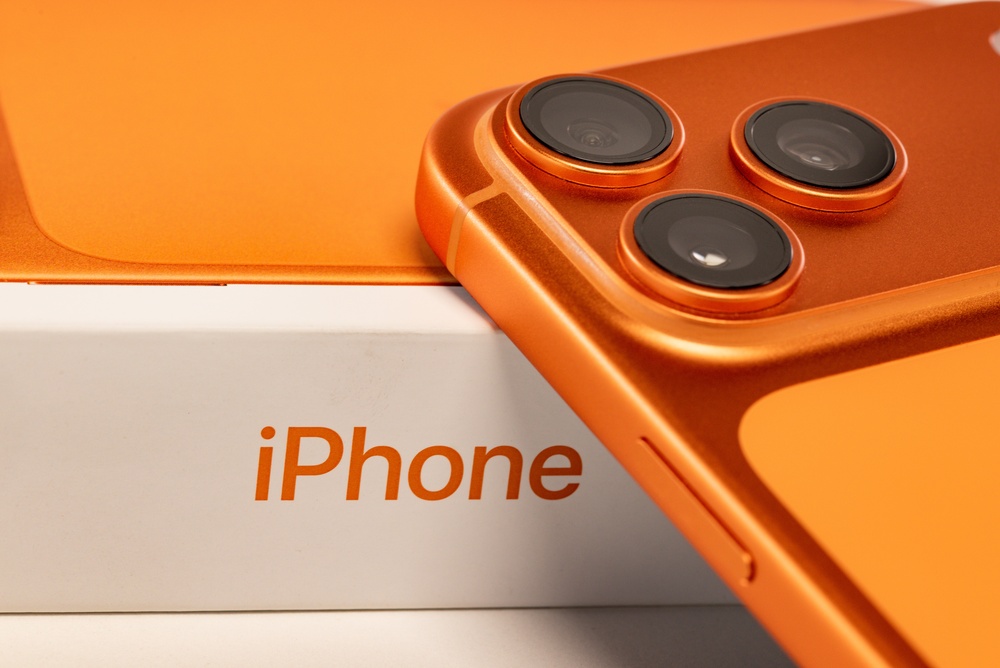
TradingKey - On June 25, Apple officially announced its largest price hike in recent years, implementing global price increases for MacBooks, iPads, and certain home devices, with hikes ranging from 17% to 54%.
Among them, the 512GB MacBook Air increased from $1,099 to $1,299; the iPad Air rose from $599 to $749, and the Apple TV price leaped from $129 to $199, a surge of up to 54%. Apple stated in its announcement that "the rapid expansion of AI data centers has created an extraordinary surge in demand for memory and storage," and that the company has "never seen the price of a component rise so much, so fast."
Following the announcement, Apple's stock price fell over 6% on the day, as the market generally believed that raising product prices would impact sales volume.
The Root Cause of Apple's Price Hikes: Memory Supply-Demand Mismatch
The supply and demand landscape of the global memory chip market is currently extremely mismatched. The high level of prosperity in AI servers has led the top three memory manufacturers to shift their production capacity significantly toward data centers, continuously squeezing the chip capacity available for consumer electronics.
At the same time, the consumer electronics industry has gradually emerged from its downward cycle since the beginning of this year. Shipments in the smartphone and PC markets are showing signs of recovery, with consumer electronics companies, including Apple, ramping up their stockpiling efforts.
The mismatch between supply and demand has pushed memory prices into an upward channel. According to a report by TrendForce, the average price of consumer-grade DRAM rose by 7.8% quarter-on-quarter in the second quarter, while the average price of NAND flash memory rose by 6.2% quarter-on-quarter. The firm expects the average price growth of both types of chips to expand further to 8%-10% in the third quarter.
For Apple, memory chips are a core component of hardware costs. According to estimates by research firm TechInsights, the memory cost for a single iPhone 18 Pro has soared from $39 in the previous generation to $145, and the flash memory cost has risen from $13 to $51. The continuous rise in memory chip prices has directly pushed up the overall cost of the device, becoming the most central driving factor behind this across-the-board product price adjustment.
Will Apple's price hikes affect its product sales?
The answer to this question is yes, but product sales volume does not fully equate to a decline in performance.
From an economic perspective, the law of demand states that, all else being equal, as the price of a good increases, its quantity demanded will inevitably decrease.
However, this angle cannot be understood from a single perspective. In the short term, Apple's price hikes will indeed follow the law of demand, exerting a certain dampening effect on total sales volume. Yet, Apple's confidence in raising prices lies in its strong ecosystem barriers and high switching costs, which result in low price elasticity of demand for its products—meaning a 10% price hike by Apple might only lead to a 3% decline in sales volume.
More specifically, although total sales volume will decline in the short term, total revenue and profit margins will increase by raising the average order value, which also reflects Apple's pricing power in the consumer electronics industry.
From a longer-term perspective, Apple's move to raise prices on Macs and iPads first is a test of the market's psychological acceptance of a higher price system. If sales do not slide significantly, the price hike strategy for iPhones will only become more aggressive. It is reported that Apple has always maintained a strategy of "no price cuts after hikes," which essentially leverages the "price anchoring" effect—consumers will gradually accept the new price point as the normal level.
On the other hand, amid the widening imbalance between memory supply and demand, Apple is also expanding its sources of memory suppliers. In addition to signing medium-to-long-term supply agreements with core storage suppliers such as Samsung and SK Hynix to lock in chip capacity for the next several quarters,
According to the latest reports, Apple is lobbying the U.S. government, hoping to obtain approval to procure memory chips from ChangXin Memory Technologies (CXMT), a Chinese semiconductor enterprise. Analysts commented that seeking CXMT this time is aimed at managing DRAM supply risks.
Analyst Ratings Summary
Following Apple's announcement of price hikes, multiple Wall Street investment banks remain optimistic about its outlook. To date, 28 analysts have rated Apple, with the highest target price at $400, representing approximately 40% upside from the current price. The lowest target price is $253, implying about 12% downside, with an average target price of $326.95.
Evercore stated that the price adjustment reflects intensifying pressure from rising memory costs on Apple's margins. While the price hike helps maintain profitability, it could also have some impact on demand for Mac and iPad products. However, the firm believes that because Apple did not raise iPhone prices this time, the short-term impact is relatively limited, and the pricing strategy for the launch of the next-generation iPhone this autumn will be the next key focus for the market.
Wedbush Securities stated that Apple possesses ample cost-pass-through capability thanks to its strong brand barriers, allowing it to absorb rising memory and storage costs by raising Mac and iPad prices without sacrificing product performance or compromising user retention. In addition to passing costs to end consumers, Apple is simultaneously diversifying its supply chain on the supply side. The partnership with Intel for chip design and manufacturing, finalized this month, is a key move to lock in domestic chip capacity ahead of time. Based on Apple's dual advantages in cost pass-through and supply chain positioning, Wedbush maintains a $400 price target for Apple.
Summary
Will Apple's price hikes drag down product sales and financial performance? Wall Street's current consensus is that while it may put some pressure on sales volume, Apple's strong brand moat will prevent any negative impact on its financial results.
In the short term, raising the prices of MacBook and iPad will not affect the company's product gross margin. However, in the foreseeable future, there are still risks to watch out for: once Apple confirms that the price hikes have not led to a significant drop in sales, it will inevitably raise iPhone prices.
According to Apple's first-quarter earnings report, the iPhone remains its largest revenue source, generating $56.99 billion in Q1 and contributing over half of Apple's total revenue, with the product segment's gross margin at approximately 38.7%. That will be the "ultimate moment" to test Apple's financial performance. UBS expects Apple to raise iPhone prices by $50 to $100 this fall and projects the company's product gross margin to remain between 37% and 38% for fiscal year 2027.
This content was translated using AI and reviewed for clarity. It is for informational purposes only.
Recommended Articles






Comments (0)
Click the $ button, enter the symbol, and select to link a stock, ETF, or other ticker.