


Samsung Electronics South Korea Union Postpones Strike, US Semiconductor Sector Sees Short-Term Localized Volatility



AI Podcast


Samsung Electronics' union postponed a planned strike pending a vote on a wage proposal, easing fears of memory chip supply disruptions. This development led to cautious capital flows and intraday volatility in U.S. semiconductor stocks. While avoiding immediate supply shock to the AI industry, the postponement does not alter the cautious sentiment toward the global tech sector, given tight macro liquidity and high valuations. The semiconductor sector is expected to remain volatile due to ongoing negotiations and broader market conditions.
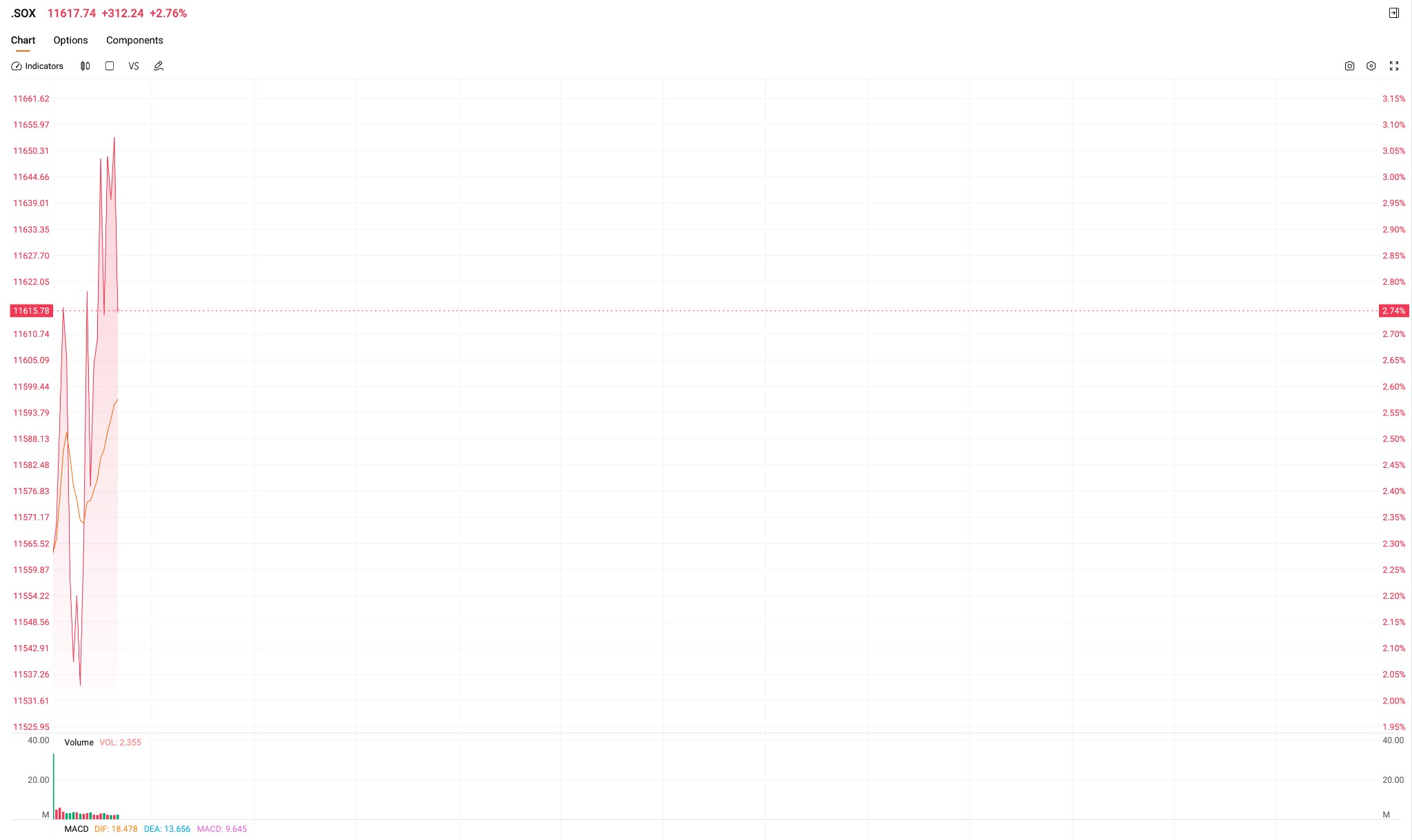
TradingKey - Previously, the Samsung Electronics union in South Korea announced it would postpone its planned large-scale strike as it prepares to vote on a preliminary wage proposal. Market fears regarding risks of memory chip supply disruptions have temporarily eased. Following the news, the U.S. semiconductor sector experienced localized intraday volatility as capital flows turned cautious.
Market pricing had previously indicated that a Samsung work stoppage might force some orders toward U.S. chip giants, such as SanDisk and Micron Technology, potentially providing a tailwind for these manufacturers.
Reports show that the Samsung Electronics union stated it will continue wage and benefit negotiations with management, leading to the decision to postpone the strike plan in stages. The market had previously feared that a large-scale Samsung shutdown could further exacerbate global supply tightness for high-end memory chips such as DRAM and HBM, while driving up AI server-related costs.
From an industry perspective, as one of the world's largest memory chip manufacturers, Samsung Electronics' production stability directly impacts the global semiconductor supply chain. Particularly as the AI surge drives rapid growth in demand for HBM (High Bandwidth Memory), companies like Samsung, SK Hynix, and Micron Technology have become the primary focus of market attention.
On the market front, stocks including NVIDIA, AMD, and several AI-themed names saw various degrees of intraday pullbacks. Investors have begun to reassess the sustainability of the AI capital expenditure cycle and whether the future earnings growth of semiconductor companies is sufficient to support current valuation levels.
In addition, factors in the South Korean market are also under observation. Recent volatility in the South Korean won, coupled with a broader correction in Asian tech stocks, has prompted some international funds to opt for a short-term reduction in risk exposure.
Although the Samsung union's postponement of the strike helps alleviate supply chain concerns, it has not completely reversed the cautious sentiment toward the global technology sector.
Overall, the postponement of the strike by the Samsung Electronics union is a short-term positive for the global memory chip supply chain, helping to avoid a new supply shock to the AI industry. However, in an environment of tightening macro liquidity and high tech stock valuations, the semiconductor sector is likely to remain highly volatile in the near term.
This content was translated using AI and reviewed for clarity. It is for informational purposes only.
Recommended Articles








Comments (0)
Click the $ button, enter the symbol, and select to link a stock, ETF, or other ticker.