


Nuclear Energy Stocks and the Emerging Fusion Opportunity: Investment Landscape and Outlook



Investor interest in nuclear energy is rising due to increased global energy demand and clean energy initiatives. The sector offers opportunities in traditional fission power, including utilities with existing plants and uranium producers, providing stable returns. Emerging areas like Small Modular Reactors (SMRs) present higher growth potential but also significant execution and regulatory risks, with valuations often driven by future expectations. While nuclear fusion holds long-term promise for limitless clean energy, pure-play public investments are unavailable; indirect participation through technology companies is an option. Investors must carefully assess these diverse risks and potential rewards.
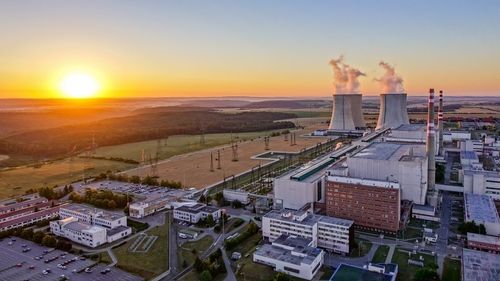
TradingKey - The stocks of nuclear energy are starting to get a lot of investor interest thanks to the growth of global energy demand, the use of clean energy sources and technological advancements creating some great growth opportunities over the long-term for companies involved in nuclear power.
Not only are we considering traditional nuclear power as a potential way for investors to receive returns, but stocks related to nuclear fusion have also become a potential investment theme, although we do not yet have true pure-play equity investments for this category available on public exchanges. By looking at the current industry dynamics as well as catalysts that may impact the future (both short-term and longer-term), investors will have a better understanding of whether they want exposure to the growing sector known as nuclear power.
The Strategic Role of Nuclear Power in the Global Energy Marketplace
The biggest issue facing energy providers in their efforts to green the energy grid is baseload generation, which is necessary for keeping the lights on when power requirements exceed intermittent renewable resources. The fact that nuclear fission creates 24/7 baseload electricity gives it a distinct advantage as a zero-carbon source of generation compared to other forms of zero-carbon generation (such as wind and solar), and provides countries, as they pursue their climate change agendas, another tool for balancing their need to reduce carbon pollution with their need for grid reliability. Investors are therefore showing a renewed interest in investing in utilities with nuclear powered plants or with solid uranium positions (nuclear fuel).
Utilities with existing nuclear generation assets are relatively lower risk investments in nuclear energy given the long-term contracts that regulate their revenue streams and their generally regular dividend payments. As a result, utilities and other publicly held energy businesses with nuclear generation assets have been able to consistently attract capital from yield-oriented investors. In addition, the upstream portion of the nuclear fuel value chain (uranium exploration and production) could also benefit from the expected increase in the use of existing reactors and new build activity as governments implement policies to encourage the expansion of clean energy.
The Future of Small Modular Reactors and Early Commercialization
While the majority of the existing nuclear capacity within the world is made up of large reactors, small modular reactors (SMRs)—compact, factory-produced designs intended to drive down cost of construction and reduce time required for deployment while improving safety—are gaining interest. Many SMR developers have received substantial venture capital and public-sector funding; however, most have yet to reach commercial readiness and are still in the formative stages of development.
Projects associated with SMRs are all subject to regulatory approvals and financing commitments; therefore, the share price performance of many companies involved with SMRs may vary significantly, and be highly influenced by future expectations rather than actual earnings.
Many advanced nuclear energy companies have positioned themselves to operate within SMR sectors by developing their own unique designs for SMRs and, in some instances, by utilizing specialized technology pathways to deliver nuclear power directly to utilities/energy utilities or other industrial companies, with the expectation of providing localized and scalable power units. In some instances, this pre-revenue development has spurred companies' valuations ahead of the actual generation of revenue, leading both to analyst excitement about the future of these companies, as well as renewed concerns relating to the execution risk associated with SMR companies, due to exhibiting the prospect of the long-term potential for growth.
The IPO market has also begun to benefit from significant interest for supply chain companies to support nuclear activity. For instance, a leading nuclear technology business that develops small modular reactors (SMRs) along with decommissioning of nuclear plants and fuel storage has begun to prepare for one of the biggest energy technology IPOs in many years. With their anticipated IPO, they will create additional opportunities for SMR deployment and renovation of their legacy facilities thereby highlighting the demand from investors for alternative forms of nuclear infrastructure exposure.
Potential and Current Status of Nuclear Fusion
Fusion is viewed by many people as an exciting new source of limitless, renewable energy that will be able to provide a huge energy surplus without generating carbon emissions or having the safety or waste disposal issues associated with currently-used fission reactors. Fusion produces an enormous amount of energy from less fuel than fission. Fusion can use large quantities of easily-available fuels such as deuterium to produce energy comparable to the huge energy released when hydrogen atoms fuse together in the sun. Scientists and private companies have invested billions of dollars into developing commercially-viable fusion energy systems with an expectation of providing energy to the grid by the early 2030’s.
While the investment community is excited about the technology of fusion, there currently are no public shares of any fusion-related company. All of the fusion development companies, such as Commonwealth Fusion and TAE Technologies, are private companies with significant equity from both venture capital and corporate investors. Technology companies have invested in some fusion companies and have entered into long-term energy purchase contracts conditioned on the successful development of significant fusion energy generation by these companies. These companies demonstrate confidence in the future potential of fusion but simultaneously realize that it will still be many years before fusion can be commercially viable.
Investors in the public markets interested in indirect participation in fusion advancements can consider investing in large public companies with equity investments in start-up companies developing fusion technology or companies that have invested in fusion research using capital and technology partnerships. One such company is one of the world’s largest technology companies that has made a significant commitment to fusion companies with both deep investment activity and future off-take agreements tied to commercial energy production. The agreements indicate that there will be alignment between computing needs with new energy sources.
Energy producers have also begun and continue to invest in fusion companies, through investments made through their corporate venture groups (CVGs) and through its own individual clean-energy research and development projects with independent companies. The companies are looking at fusion energy as a long-term technology with the potential to support the future of energy consumption from data centers, electrified transportation and industrial applications, if electric energy distribution becomes available on the grid in the next decade.
Nuclear Energy Stocks: The Structure and Paths of Market Access
As an investor today looking to access nuclear energy stocks, there are many different segments of the nuclear ecosystem that can be looked at. Utility operators who own nuclear reactors that are already generating power through contracted generation produce steady cash flows for investors via dividends. With the anticipated increase in demand for uranium as additional nuclear power generating capacity is added around the world, uranium producers can take advantage of this increasing demand for fuel to produce their own cash flows.
There are also companies that provide construction services for new reactors, area SMRs, and component manufacturers who will have greater growth potential but will depend upon successful execution of their projects.
For any investor looking for available diversified nuclear stock exposure will find several companies worthy of review.
Companies that mine and develop uranium are well-poised to succeed as more of these nuclear reactors are utilized at a higher capacity as well as new reactors being built. Large utilities that operate nuclear power plants provide investors with both a stable investment option as well as exposure to pending legislation regarding the clean energy transition. There are also industrial companies involved in either component manufacturing or possibly providing infrastructure support services to the nuclear supply chain that could be seen as less direct but will also benefit from the overall trend towards increased energy production using alternative energy sources.
Many nuclear and advanced reactor stocks have recently had large price appreciation in anticipation of clean power demand increasing, yet some analysts express concern that the current price of many early-stage reactor development companies could be well above their respective normal price ranges relative to current earnings or cash flow, meaning a prudent valuation method must be used when evaluating potential investments in speculative nuclear stock segments.
Diverse and Risky Views on Nuclear Investment
Investing in nuclear energy via fission and fusion represents unique investment risks that are different than investing in traditional utilities, which typically experience instability due to regulation; shifts in Government can materially impact licensing and cost recovery. For the developers of small modular reactors and the advanced nuclear industry, they will face new investments over long periods of time before any revenue can be realized due to lengthy lead times, complicated and expensive permitting processes, and high levels of capital required before being able to build the first project; hence execution risk is high for the first investors.
Theoretically, all fusion technologies are still in their early development stages (i.e., R&D); however; despite having seen recent increases in funding and significant technological developments, there are still several years until commercial deployment can occur on any type of utility scale. Due to the uncertainty that exists around the timing and scale of any fusion technology breakthrough and the speculative nature of using third parties (i.e., Corporations) to invest indirectly until commercial rollout occurs.
There are many additional macro-level factors (such as changing macroeconomic fundamentals, energy prices, etc.) which will also impact demand for nuclear energy by creating multiple levels of uncertainty surrounding project financing and economics. Therefore, nuclear investors must consider all of these factors before deploying a large amount of capital into nuclear-based equities given the potential long-term nature of nuclear energy as an energy source and the near-term operational aspects associated with developing nuclear energy resources.
How Investors Should Look at Nuclear Opportunity
For long-term portfolios that are committed to supporting a clean energy transition, such as coal or natural gas investors, nuclear energies’ publicly traded stocks provide opportunities to invest in nuclear energy companies (utilities & fuel suppliers), primarily as a core part of either an energy or sustainability-focused portfolio.
SMR (small modular reactor) developers and fuel processing/feed systems used by reactor vendors are examples of growth-oriented, high-risk type investments that would appeal to higher risk tolerance investors looking to be involved in future reactant development.
Companies that have invested in or support fusion technology can also provide indirect access to fusion investments. Fusion businesses offer alternative forms of capturing the benefits of fusion without using untested pure fusion stocks.
As investment dollars are committed to both advanced nuclear technology and fusion technology, the investment landscape for nuclear energy may continue to expand, fueled by growing demand for energy.
In conclusion, the nuclear energy space is currently made up of both established and emerging startup companies, while fusion also represents a long-term investment opportunity.
In order for investors to navigate through this multi-prong area of the clean energy market, they must establish a disciplined approach to valuing different investment types and knowing when to expect completed projects plus how federal and state policies and regulations could affect their performance.
Recommended Articles








Comments (0)
Click the $ button, enter the symbol, and select to link a stock, ETF, or other ticker.